Vitalik Buterin Scraps 6-Phase Ethereum Roadmap for Post-Quantum and Privacy Blueprint
Vitalik Buterin published a sweeping update to Ethereum's development roadmap, replacing the six-phase framework with a new architectural blueprint that puts quantum safety, native privacy, and AI integration at the center of Ethereum's future.
Vitalik Buterin Scraps 6-Phase Ethereum Roadmap for Post-Quantum and Privacy Blueprint
Vitalik Buterin published a sweeping update to Ethereum's development roadmap on Monday, replacing the six-phase framework that has guided the network's evolution for years with a new architectural blueprint that puts quantum safety, native privacy, and AI integration at the center of Ethereum's future.
The shift is significant. Buterin's announcement explicitly replaces several 2023-era plans with newer solutions, with post-quantum cryptography elevated from a long-term consideration to an immediate priority. The previous roadmap phases, which ranged from Frontier through Serenity and gave developers a predictable, sequential development horizon, are now superseded by what Buterin describes as an urgent architectural rethink.
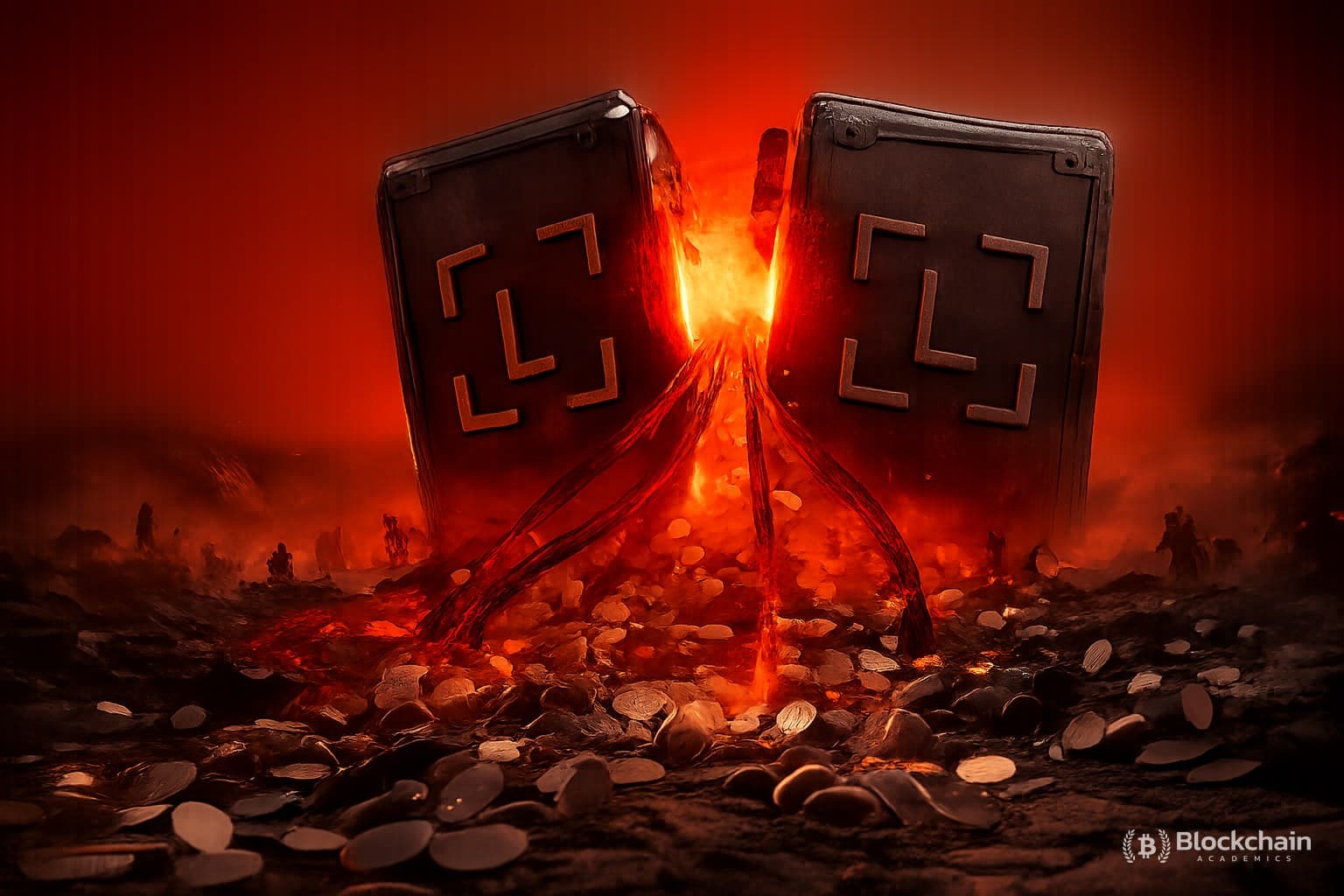
Ethereum roadmap now prioritizes quantum safety, replacing several 2023 plans with newer solutions.
Vitalik Buterin, via the official roadmap announcement
On the cryptography side, the new blueprint centers on implementing post-quantum cryptographic primitives that can resist attacks from fault-tolerant quantum computers. Current Ethereum accounts rely on elliptic curve cryptography, specifically the secp256k1 curve, which is theoretically vulnerable to Shor's algorithm running on a sufficiently powerful quantum machine. The new roadmap calls for migrating toward PQ-safe alternatives before that threat materializes in practice.
Native rollups are also incorporated into the plan, contingent on zero-knowledge proof technology reaching sufficient maturity. This signals Buterin sees ZK infrastructure as ready enough to be baked into L1 architecture rather than treated purely as an L2 concern.
Privacy gets its most prominent placement in any Ethereum roadmap to date. The blueprint calls for keyed nonces and lean privacy pool systems to be implemented at the protocol level, treating privacy as a first-class property alongside security and scalability rather than something delegated to application-layer solutions. Privacy pools, a concept that gained traction in 2023 as a way to enable compliant private transactions by allowing users to prove their funds are not linked to illicit activity, are now being considered for native integration.
The counter-arguments are real. Quantum computers capable of breaking elliptic curve cryptography are, by most credible estimates, at least a decade away. Critics will reasonably ask whether redirecting engineering bandwidth toward a theoretical future threat is the right call when Ethereum still faces concrete present-day friction: user experience remains rough, gas costs on L1 are still prohibitive for many use cases, and developer tooling has room to improve.
The AI integration angle is the vaguest element of the announcement. Vague AI roadmap items have a poor track record across the tech industry. If the AI component lacks concrete technical specifications, it risks being marketing language attached to a serious cryptographic document.
The privacy-first design also cuts against one of Ethereum's recent growth narratives. Institutional adoption, from ETF inflows to on-chain treasury management by public companies, has been driven partly by the network's transparency and auditability. Protocol-level privacy tools, even compliance-friendly ones like privacy pools, will face scrutiny from regulators who have grown more comfortable with Ethereum precisely because its transactions are traceable.
That tension is not unique to Ethereum. Bitcoin developers have wrestled with similar tradeoffs, and Zcash built its entire identity around the privacy-versus-compliance problem. What makes this moment different is scale: Ethereum is now a multi-hundred-billion-dollar settlement layer for a global financial stack, and architectural decisions made at the roadmap level carry consequences that extend well beyond the developer community.
Frequent roadmap revisions are a legitimate concern for builders. Ethereum has pivoted before, most notably when the merge timeline stretched across multiple years, and each shift forces development teams to reprice their assumptions. A clean break from the 2023 framework, without a detailed migration path for projects that built around the old priorities, creates real planning uncertainty.
Still, the directional logic is defensible. Post-quantum cryptography standardization has accelerated sharply since 2024, with NIST finalizing its first PQ algorithm standards and major financial infrastructure beginning migration planning. Ethereum moving early, even if the quantum threat remains years out, is cheaper than retrofitting a network of this size under time pressure. The roadmap update reads less like a panic response and more like a calculated decision to absorb transition costs now rather than later, when the stakes will be considerably higher.