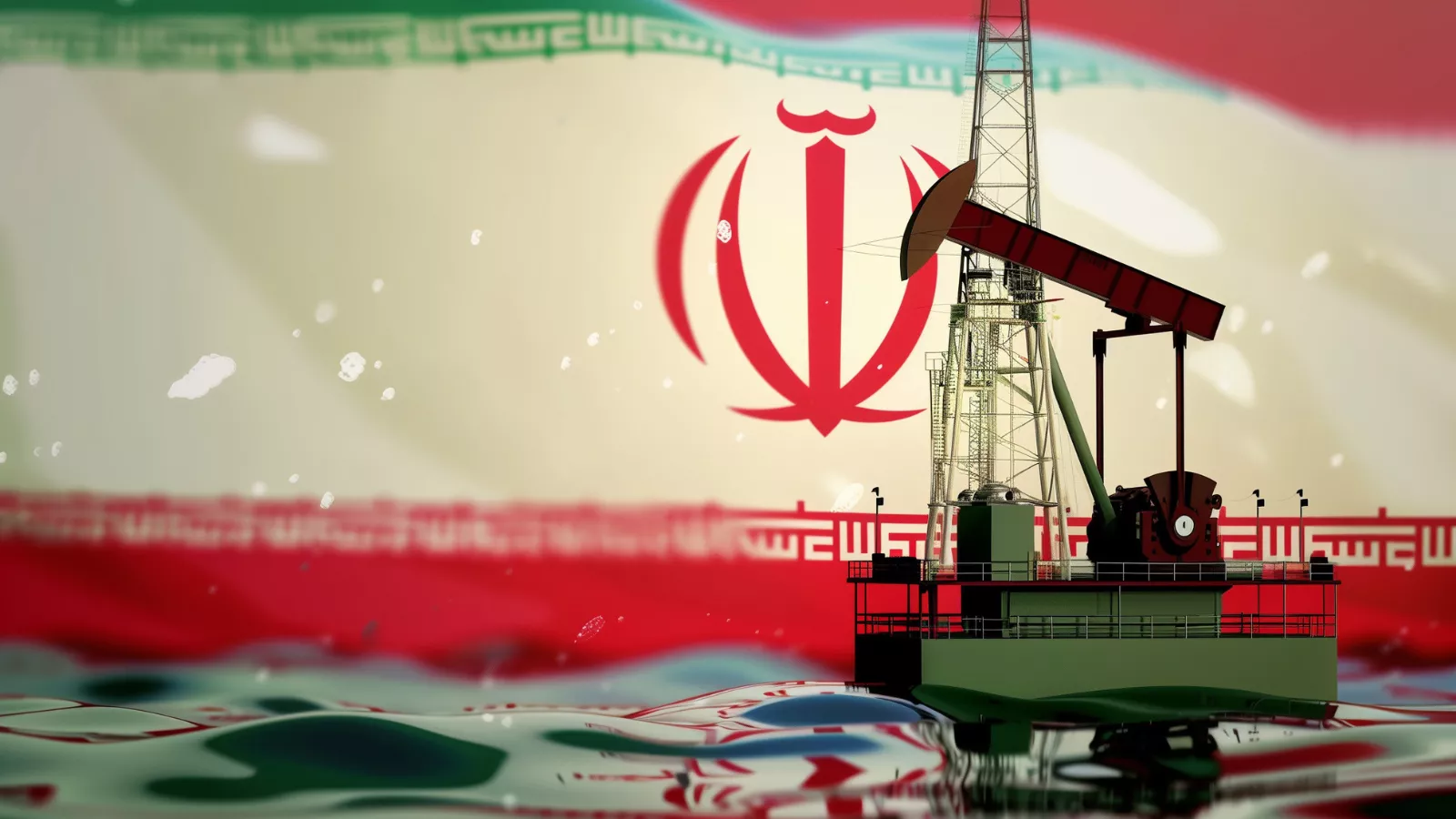
US Targets Iranian Oil Network with Sanctions Over $100M in Crypto Transfers
US sanctions Iranian financiers over $100M in crypto transfers from oil sales, citing risks to global security.
The United States has imposed fresh sanctions on Iranian financiers and a network of firms in Hong Kong and the United Arab Emirates, accusing them of laundering over $100 million in cryptocurrency derived from Iranian oil sales. The measures underscore Washington’s growing focus on the use of digital assets in circumventing global sanctions and funding military programs.
According to the U.S. Treasury Department, Iranian nationals Alireza Derakhshan and Arash Estaki Alivand spearheaded the scheme, facilitating large cryptocurrency purchases on behalf of the Iranian government. The funds, tied to oil revenues, were allegedly funneled through a web of front companies abroad to mask their origin.
Such so-called “shadow banking” systems have become a hallmark of sanction-evading tactics, leveraging both offshore entities and digital currencies to bypass restrictions. “We will continue to disrupt these key financial streams that fund Iran’s weapons programs and malign activities in the Middle East and beyond,” said John K. Hurley, Treasury’s Under Secretary for Terrorism and Financial Intelligence.
The sanctions were enacted under an executive order originally issued during the Trump administration, known as National Security Presidential Memorandum 2, which sought to reduce Iran’s oil exports to zero and prevent the country from acquiring nuclear weapons. Under the new designations, individuals and firms targeted are denied access to any U.S. assets and barred from conducting business with American companies or citizens.
Iran’s use of cryptocurrency to circumvent financial controls is not a new phenomenon. Blockchain analytics firm Chainalysis reported that sanctioned jurisdictions received $15.8 billion in cryptocurrency in 2024, making up nearly 40 percent of illicit digital asset activity globally. Iran has featured prominently in that trend, increasingly relying on crypto as traditional banking avenues remain closed.
The timing of these sanctions coincides with mounting tensions between Iran and Western powers. Earlier this year, France, Britain, and Germany activated the “snapback mechanism” within the 2015 nuclear accord, reinstating United Nations sanctions after accusing Tehran of abandoning its commitments. Efforts to revive the nuclear deal have stalled since June, when Israeli strikes targeted Iranian nuclear and military sites, followed by U.S. bombardments weeks later.
By explicitly linking cryptocurrency to Iran’s oil revenue streams, Washington is sending a clear message: digital assets are now a central front in the enforcement of sanctions regimes. For Tehran, this further complicates its efforts to stabilize an economy already under immense strain from years of isolation. For the U.S. and its allies, it reflects a recognition that sanction evasion has evolved in step with the growth of global crypto markets.
As financial warfare enters the digital age, the confrontation between Iran and the West increasingly spans both oil tankers and blockchain ledgers—underscoring the dual importance of energy and technology in geopolitical power struggles.