U.S. Regulator Directs Fannie Mae and Freddie Mac to Account for Crypto Holdings in Mortgage Assessments
FHFA orders Fannie and Freddie to consider cryptocurrency assets in loan assessments, signaling a crypto-friendly shift in U.S. housing policy.
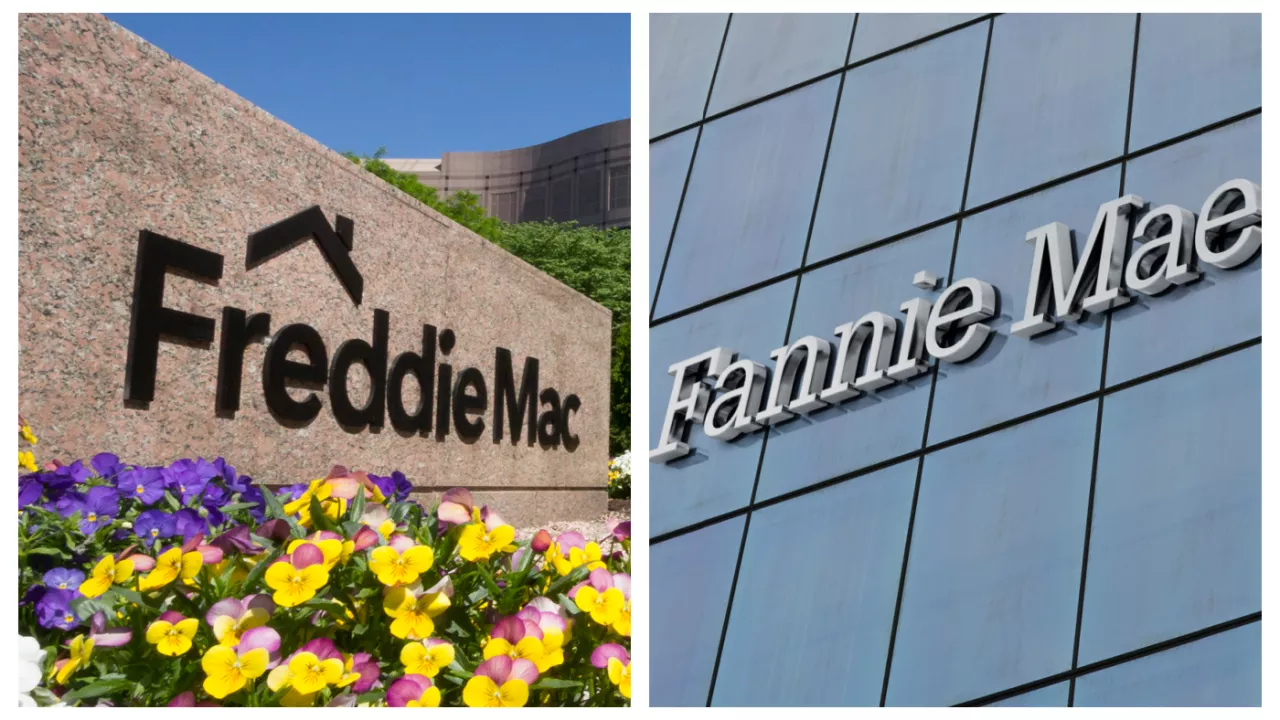
In a landmark policy shift, the U.S. Federal Housing Finance Agency (FHFA) has instructed Fannie Mae and Freddie Mac to factor cryptocurrency holdings into mortgage loan assessments for single-family homes. The move opens new avenues for prospective homebuyers with crypto investments to qualify for loans backed by the nation’s housing giants.
Announced by FHFA Director William Pulte on June 25, the directive represents a major turning point in how digital assets are integrated into traditional financial assessments. "I've ordered Fannie and Freddie to prepare their businesses to count cryptocurrency as an asset for mortgage," Pulte stated on social media, aligning the decision with President Donald Trump’s broader agenda to position the U.S. as the "crypto capital of the world."
Fannie Mae and Freddie Mac, which have remained under government conservatorship since the 2008 financial crisis, currently guarantee over half of the U.S. mortgage market. Their underwriting standards play a crucial role in determining access to homeownership across the country.
The integration of crypto assets into mortgage risk assessments aims to provide a more comprehensive evaluation of a borrower’s financial profile. According to Pulte, this shift could “facilitate sustainable homeownership to creditworthy borrowers” who may not hold traditional assets but have significant holdings in digital currencies.
While the directive does not yet specify which cryptocurrencies will be considered, it paves the way for more flexible and inclusive lending standards. However, concerns persist due to the notorious volatility of crypto markets. In February, for example, Bitcoin experienced a 16% drop in one week—the steepest decline in two years—highlighting potential risks for financial institutions.
The FHFA’s move comes amid an aggressive crypto policy push by President Trump, whose administration has appointed industry-friendly regulators and welcomed blockchain leaders to the White House. These moves have been met with strong market responses, including Bitcoin surging to all-time highs in 2025.
If fully implemented, this policy could have far-reaching implications for the housing market and crypto industry alike, signaling deeper convergence between decentralized finance and traditional banking structures.