THORChain Halts Trading After $10-11M Multi-Chain Exploit; RUNE Drops 12-13%
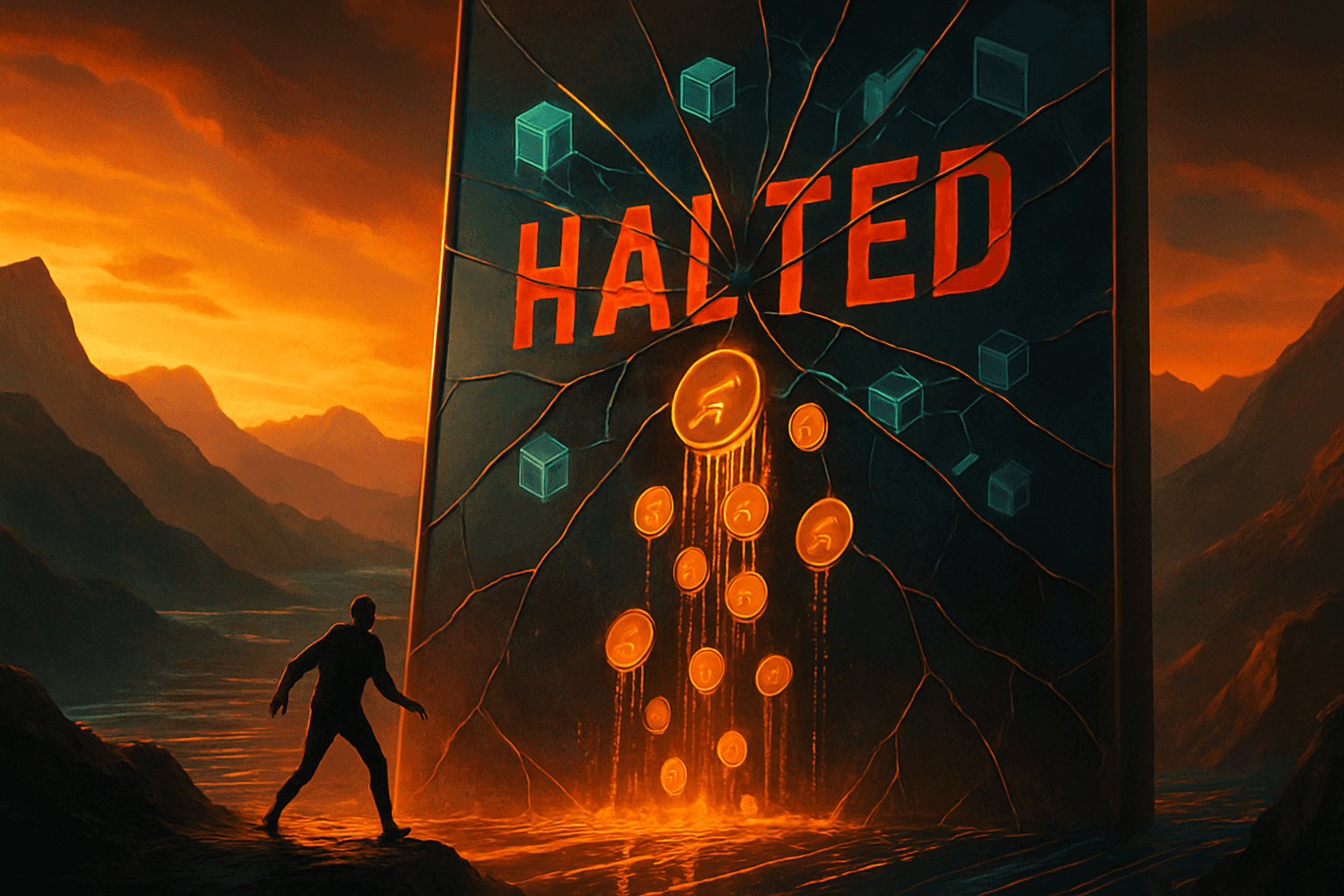
THORChain halted all trading on May 15 following a suspected exploit that drained $10-11 million across four blockchains. The RUNE token fell 12.5% in response, marking another security incident for the cross-chain protocol.
THORChain Halts Trading After $10-11M Multi-Chain Exploit; RUNE Drops 12-13%
THORChain paused all trading on May 15 after security researchers identified a suspected exploit affecting multiple blockchains. The vulnerability drained between $10 million and $11 million across Bitcoin, Ethereum, BNB Smart Chain, and Base networks. The RUNE token fell 12.5% in the 24 hours following the announcement.
THORChain is a decentralized cross-chain liquidity network that allows users to swap assets across different blockchains without wrapping or intermediaries. The exploit's scope across four separate networks underscores the vulnerability inherent in cross-chain protocols, which must maintain consensus and security across disparate blockchain systems simultaneously.
Security researchers flagged the vulnerability, prompting the trading pause. THORChain's rapid response likely prevented additional losses, though the exact mechanics of the exploit remain under investigation. Cross-chain protocols have become prime targets for sophisticated attackers because they aggregate liquidity and handle asset transfers across multiple chains, creating a larger attack surface than single-chain protocols.
This marks another security incident for THORChain. The protocol has experienced multiple breaches in its operational history, raising persistent questions about whether decentralized cross-chain infrastructure can be secured at scale. The broader cross-chain bridge sector has suffered billions in cumulative losses over the past three years, from the Ronin bridge hack in 2022 to more recent vulnerabilities in competing protocols.
The $10-11 million loss represents a smaller percentage of THORChain's total value locked compared to some historical cross-chain exploits. The protocol's rapid response and trading halt may have prevented cascading losses that could have been far larger. However, the incident will likely trigger reduced trading volume as users reassess counterparty risk.
Market recovery will hinge on the speed and transparency of THORChain's remediation. The development team will need to publish a detailed postmortem, identify the root cause, and implement fixes that satisfy both security auditors and the community. Previous exploits in the cross-chain space have taken weeks or months to fully resolve, during which affected protocols saw sustained declines in TVL and trading activity.
The exploit underscores a fundamental challenge for decentralized cross-chain protocols: the complexity required to maintain security across multiple blockchain networks often creates unforeseen attack vectors. While THORChain's incident response demonstrates effective operational protocols, the frequency of these breaches suggests that current security practices may not be sufficient for the scale at which cross-chain protocols operate.