The Invisible Walls of Crypto: Why Traders Freeze at $100K, $5K, and $1
Explore how psychological barriers like Bitcoin’s $100K level shape crypto trading, revealing why emotion drives price swings more than logic.
Overview
In cryptocurrency markets, numbers are never just numbers—they’re battlegrounds of belief and fear. The closer Bitcoin gets to $100,000, Ethereum to $5,000, or XRP to $1, the more emotion floods into the charts. These price levels act like invisible walls that can halt rallies, spark crashes, or trigger cascades of euphoria. Psychological barriers shape not only price action but also the collective mindset that drives this high-volatility ecosystem.
Explanation
Psychological barriers are price zones where traders collectively anchor expectations. Round numbers attract attention and create emotional tension: fear of missing out just above them, anxiety about collapse just below. When Bitcoin hovers near $100,000, traders unconsciously treat it as a milestone of validation or danger. Orders pile up, volume spikes, and the market becomes hypersensitive to news and liquidity shifts.
These self-reinforcing loops often dictate short-term direction. Once a level breaks decisively—up or down—the flood of emotion can either catapult prices into a new trend or trigger a panic-driven reversal.
Advantages
Recognizing and understanding these psychological levels provides traders with powerful strategic tools:
Disadvantages
However, psychological barriers can just as easily trap traders in emotional cycles and poor decisions:
History
These behavioral thresholds have marked every major chapter in crypto’s evolution. Bitcoin’s first surge past $1,000 in 2013 symbolized mainstream recognition, while the 2017 struggle near $20,000 became a cultural phenomenon. When the ceiling broke in 2020, it ignited a historic bull market.
Ethereum’s repeated hesitation around $5,000 mirrored Bitcoin’s own psychological tug-of-war. XRP’s long-running fixation on the $1 mark has turned that number into both a dream and a curse for its community. These moments illustrate how emotion often outweighs economics in shaping market cycles.
Market Sentiment
Today, sentiment data reveal that traders remain emotionally tethered to these psychological milestones. Bitcoin’s dance around $100,000 triggers waves of optimism and anxiety in equal measure. Ethereum’s climb above $3,000 restores confidence, while Solana’s struggle near $250 reveals nerves about sustainability.
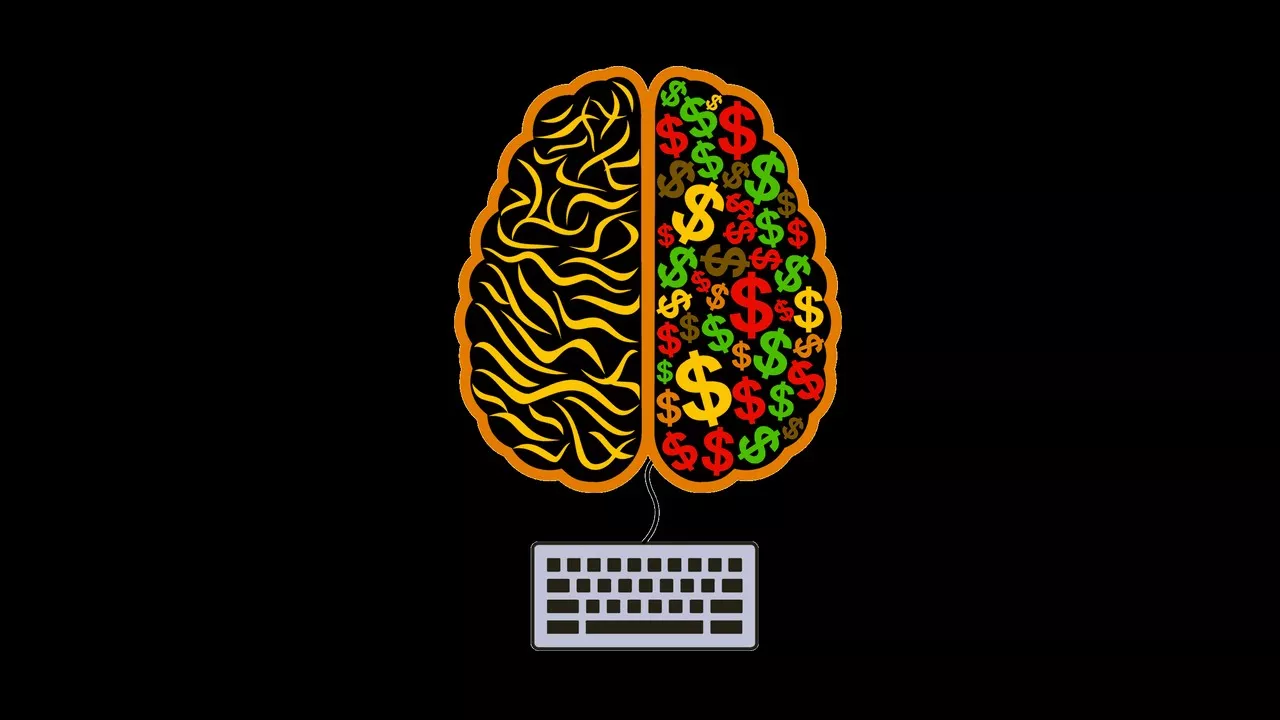
Across assets, the conversation is less about fundamentals and more abouthowpeople feel about the numbers themselves. Crypto’s markets may run on code, but they’re still powered by human psychology.
Conclusion
Psychological barriers act as mirrors of collective belief. They reveal where logic ends and emotion begins. Traders who understand this interplay can navigate volatility more intelligently, while those who ignore it often fall victim to the same cycles of euphoria and despair.
In a market where $100,000 can feel like destiny or disaster, mastering the mind may be the ultimate edge. After all, in crypto, the hardest resistance level isn’t always on the chart—it’s in the trader’s head.
- Predictive awareness:Anticipate market reactions near major round numbers.
- Improved timing:Position before volume clusters form or fade.
- Risk control:Identify potential breakout and pullback zones to manage exposure.
- Behavioral insight:Gauge crowd sentiment and volatility before major moves.
- Temporary stabilization:Round numbers can create short-term support or resistance, offering tactical entry or exit points.
- Cognitive anchoring:Traders fixate on “magic numbers” and ignore broader signals.
- Emotional bias:Fear and greed magnify reactions near round figures.
- Liquidity manipulation:Bots and institutions exploit predictable clustering of orders.
- False confidence:Breakouts often fail when driven by emotion rather than fundamentals.
- Volatility traps:Sudden reversals near key barriers can wipe out poorly placed trades.