Texas Enacts Landmark Law to Establish Strategic Bitcoin Reserve
Texas becomes the third U.S. state to formalize a Bitcoin reserve fund, reinforcing crypto's role in public finance.
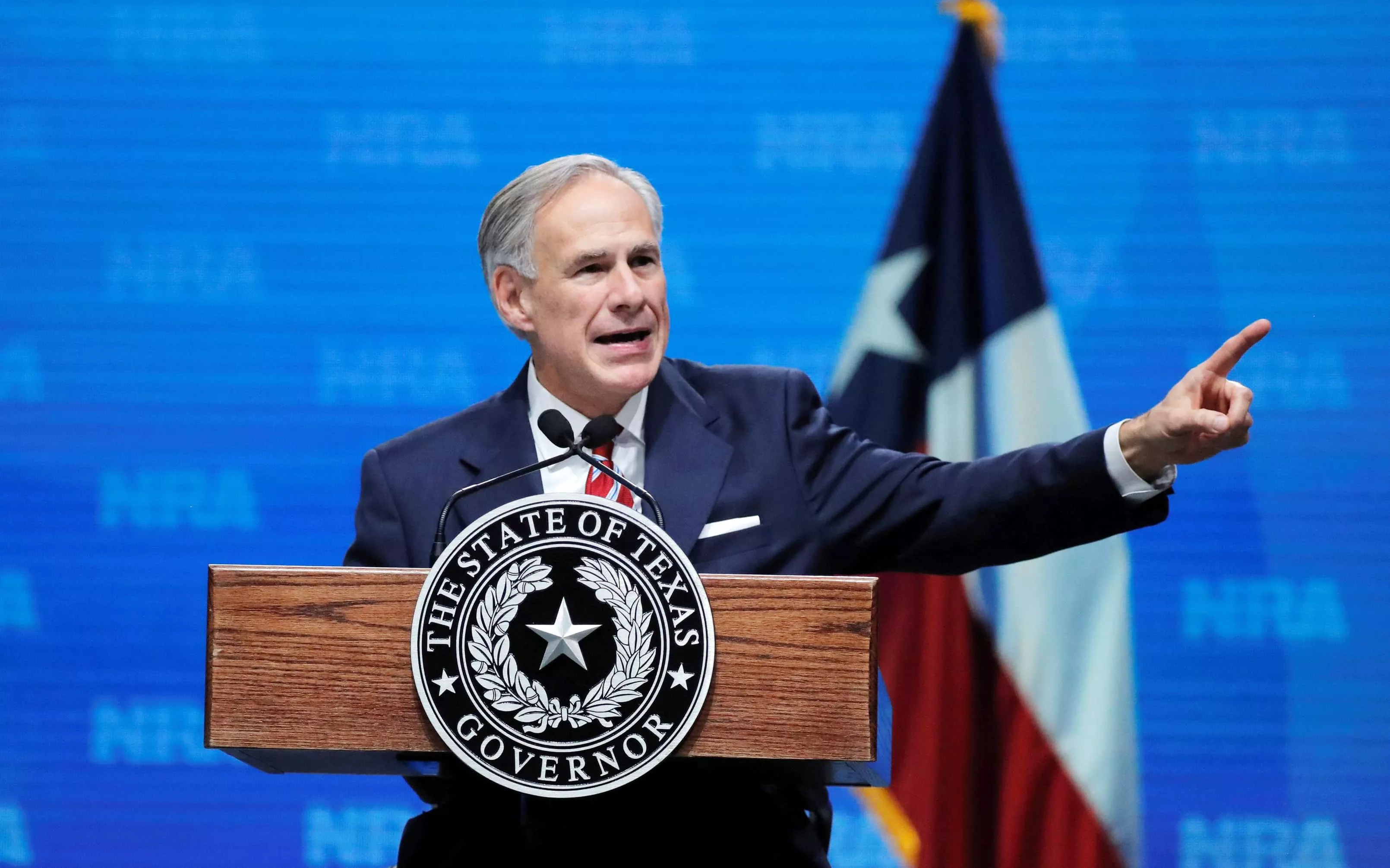
Texas Governor Greg Abbott has officially signed Senate Bill 21 (SB21) into law, creating the “Texas Strategic Bitcoin Reserve Act” and positioning the state as a pioneer in institutional crypto adoption. With this move, Texas joins Arizona and New Hampshire in legally authorizing the establishment of a state-managed Bitcoin reserve.
SB21 enables the Texas Comptroller of Public Accounts to establish and oversee a Bitcoin reserve fund distinct from the state's general treasury. This reserve is designed to allow strategic investments in Bitcoin as a hedge against inflation and macroeconomic uncertainty. To qualify for inclusion, crypto assets must maintain an average market capitalization of at least $500 billion over a 24-month period—a threshold that currently only Bitcoin meets.
By insulating the fund from general revenue operations via House Bill 4488—also signed by Abbott—Texas ensures the reserve will not be redirected to cover other budget priorities. This legal firewall marks a significant structural innovation, aiming to provide the state with long-term financial resilience independent of political cycles.
This development arrives amid growing federal interest in digital assets. President Donald Trump recently signed an executive order authorizing the creation of a national Bitcoin reserve, echoing the state-level strategies. Meanwhile, Senator Cynthia Lummis has reintroduced the BITCOIN Act, which envisions the U.S. government acquiring up to one million BTC over five years via “budget-neutral” mechanisms.
Analysts view Texas’ legislation as more than symbolic. It formalizes a precedent for treating Bitcoin not just as a speculative asset, but as a legitimate component of public fiscal policy. In the words of entrepreneur Anthony Pompliano, “Bitcoin is slowly becoming a global reserve asset.”
With Bitcoin’s market valuation exceeding $2 trillion, its perceived role as a store of value is being institutionalized at both state and federal levels. While critics warn of volatility risks, proponents argue that strategic reserves could buffer economic shocks and diversify state assets.
The adoption of SB21 reflects Texas’ ongoing efforts to position itself as a crypto-friendly jurisdiction, following earlier legislation to protect digital asset miners and recognize blockchain-based records. This latest law could further attract crypto infrastructure and investment to the state.
Whether this initiative will provide tangible financial benefits remains to be seen. But for now, Texas has firmly declared its belief in Bitcoin’s long-term utility—not just for individuals, but for governments.