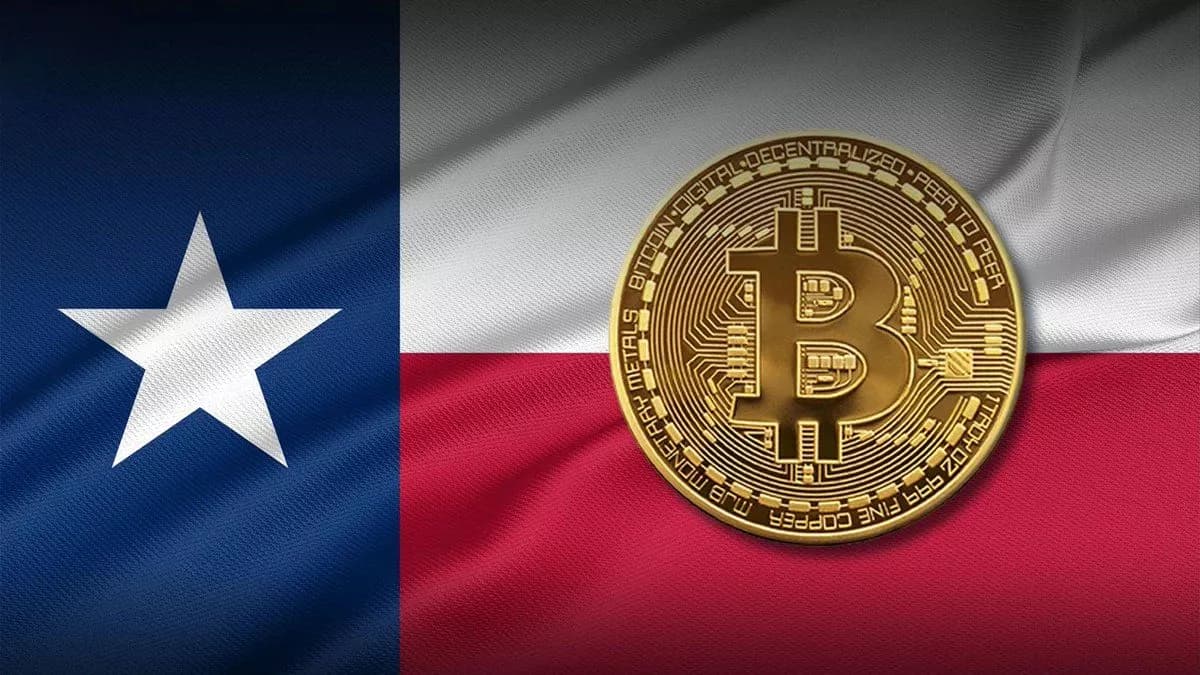
Texas Advances Bitcoin Reserve Bill, Signaling Shift in State-Level Digital Asset Strategy
Texas nears approval of SB 21 to create a state-run Bitcoin Reserve, following New Hampshire’s lead in crypto adoption.
Texas is poised to become a trailblazer in state-level crypto policy with Senate Bill 21 (SB 21), a measure that would establish the state’s own Bitcoin Reserve. The bill has cleared a key legislative hurdle in the Texas House, receiving a strong 105-23 vote during its second reading. One final vote now stands between the bill and Governor Greg Abbott’s signature.
If enacted, Texas would become the second U.S. state to implement a sovereign Bitcoin reserve, following New Hampshire’s recent precedent. The bill aligns with broader national momentum around digital assets, including recent political endorsements and global initiatives that recognize Bitcoin as a strategic economic tool.
The legislation outlines a conservative approach to reserve management. Only digital assets with a market capitalization exceeding $500 billion sustained over a 24-month period would qualify for inclusion—effectively limiting the reserve to Bitcoin and perhaps Ethereum under exceptional market conditions. This amendment, expanding the previous 12-month threshold, was introduced to enhance the reserve’s long-term stability and reduce speculative risk.
The push to formalize a Bitcoin reserve began last December with House Bill 1598 and has since evolved into a serious legislative agenda. Proponents argue that holding Bitcoin could serve as a hedge against inflation and economic uncertainty, enhancing the state’s financial resilience. To oversee these holdings, the bill proposes an expert advisory panel composed of experienced crypto investors, along with biennial public reports by the state comptroller.
Texas’s crypto ambitions are not new. The state has already established itself as a national hub for cryptocurrency mining and blockchain innovation. Now, SB 21 aims to position Texas at the forefront of governmental adoption of digital assets, setting a precedent other states may soon follow.
However, some legislative hurdles remain. Because of amendments introduced in the House, the final version of SB 21 will need to be reconciled with the Senate draft. Only then can it proceed to the governor’s desk for final approval.
Globally, interest in state- and national-level Bitcoin reserves is gaining momentum. Ukraine, for example, is preparing to launch Europe’s first national Bitcoin reserve amid its own economic restructuring. These developments suggest that the concept of sovereign crypto reserves is evolving from fringe idea to policy reality.
If passed, SB 21 will not only solidify Texas’s leadership in digital finance but also raise important questions about the future of decentralized assets within centralized governance models.