Smart Contracts: The Foundation of Decentralized Innovation
An academic overview of smart contracts: their mechanism, use cases, benefits, challenges, and role in blockchain’s evolution.
Overview
Since the advent of blockchain technology, few concepts have proven as transformative as smart contracts. First theorized by computer scientist Nick Szabo in the 1990s and later implemented with the launch of Ethereum in 2015, smart contracts are self-executing agreements with terms written directly into code. They eliminate the need for intermediaries, enabling trustless, transparent, and automated transactions across a wide range of industries.
Explanation and Mechanism
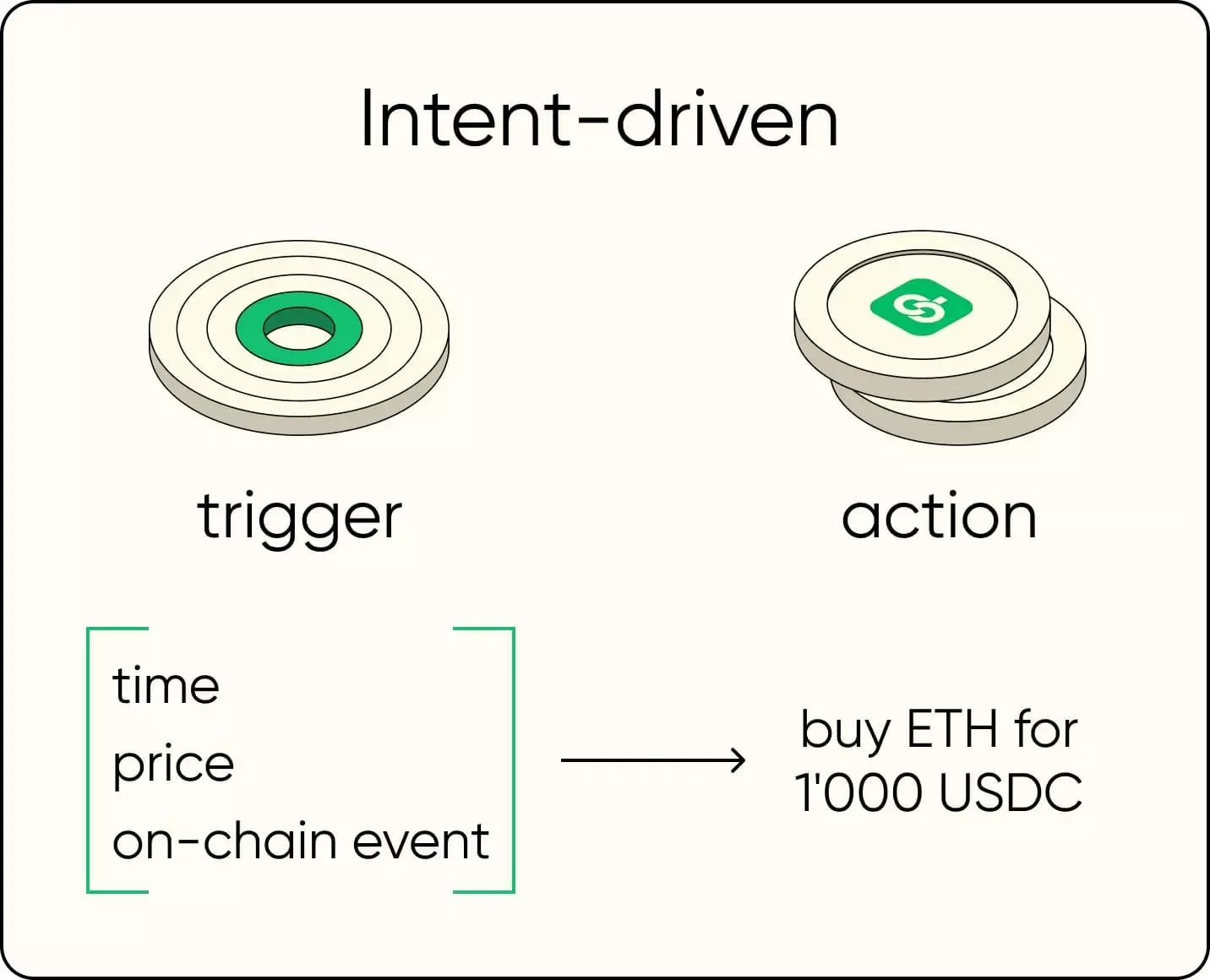
A smart contract is a program stored on a blockchain that automatically enforces rules once predefined conditions are met. For example, if two parties agree to a digital asset swap, the contract ensures that when one asset is delivered, the other is automatically released. This automation reduces reliance on legal systems or centralized authorities, as the blockchain itself guarantees execution.
Examples and Applications
The impact of smart contracts is most visible in decentralized finance (DeFi), where they enable lending, borrowing, trading, and yield farming without banks or brokers. Platforms like Uniswap and Aave operate entirely through smart contracts, executing billions in daily transactions. Beyond finance, smart contracts are being tested in supply chain management—tracking goods transparently from production to delivery—and in digital art, where NFTs (non-fungible tokens) rely on smart contracts to manage ownership and royalties.
/h4>h4>Advantages of Smart Contracts
The primary advantage of smart contracts lies in automation and trust minimization. By removing intermediaries, they reduce costs, increase transaction speed, and prevent manipulation. Transparency is another benefit: since contracts are publicly auditable on-chain, all parties can verify terms. immutability ensures that once deployed, contracts cannot be altered, safeguarding agreements against tampering.
Challenges and Difficulties
Despite their promise, smart contracts face significant challenges. Security is paramount: poorly written code can lead to exploits, as seen in the infamous DAO hack of 2016, where $60 million worth of Ether was drained due to a vulnerability. Scalability is another concern, with high transaction fees on Ethereum making large-scale adoption difficult. Legal recognition also lags, as many jurisdictions lack frameworks to enforce or regulate code-based agreements.
Evolution Over Time
From Ethereum’s initial implementation to newer platforms like Solana, Avalanche, and Cardano, smart contracts have evolved to address scalability, interoperability, and security. Layer-2 solutions, such as rollups on Ethereum, are emerging to lower costs and enhance throughput. Meanwhile, research continues into formal verification—mathematical methods to prove smart contract correctness before deployment.
Market Sentiment
Investor and developer sentiment toward smart contracts remains largely optimistic. The exponential growth of DeFi and NFTs demonstrates strong demand, while institutional players are beginning to explore tokenization of assets and blockchain-based settlements. However, market confidence is often shaken during security breaches, highlighting the importance of ongoing audits and best practices.
Conclusion
Smart contracts represent one of blockchain’s most profound innovations, reshaping industries by enabling automation, transparency, and trustless execution. While technical, legal, and security challenges remain, their evolution signals a future where code-driven agreements underpin financial systems, digital ownership, and global commerce. Much like the internet redefined communication, smart contracts have the potential to redefine economic coordination on a global scale.
By Alejandro Silva Ramírez, Crypto Analyst & Columnist