Senate Banking Committee to Vote on CLARITY Act as Ripple and Coinbase Back Regulation
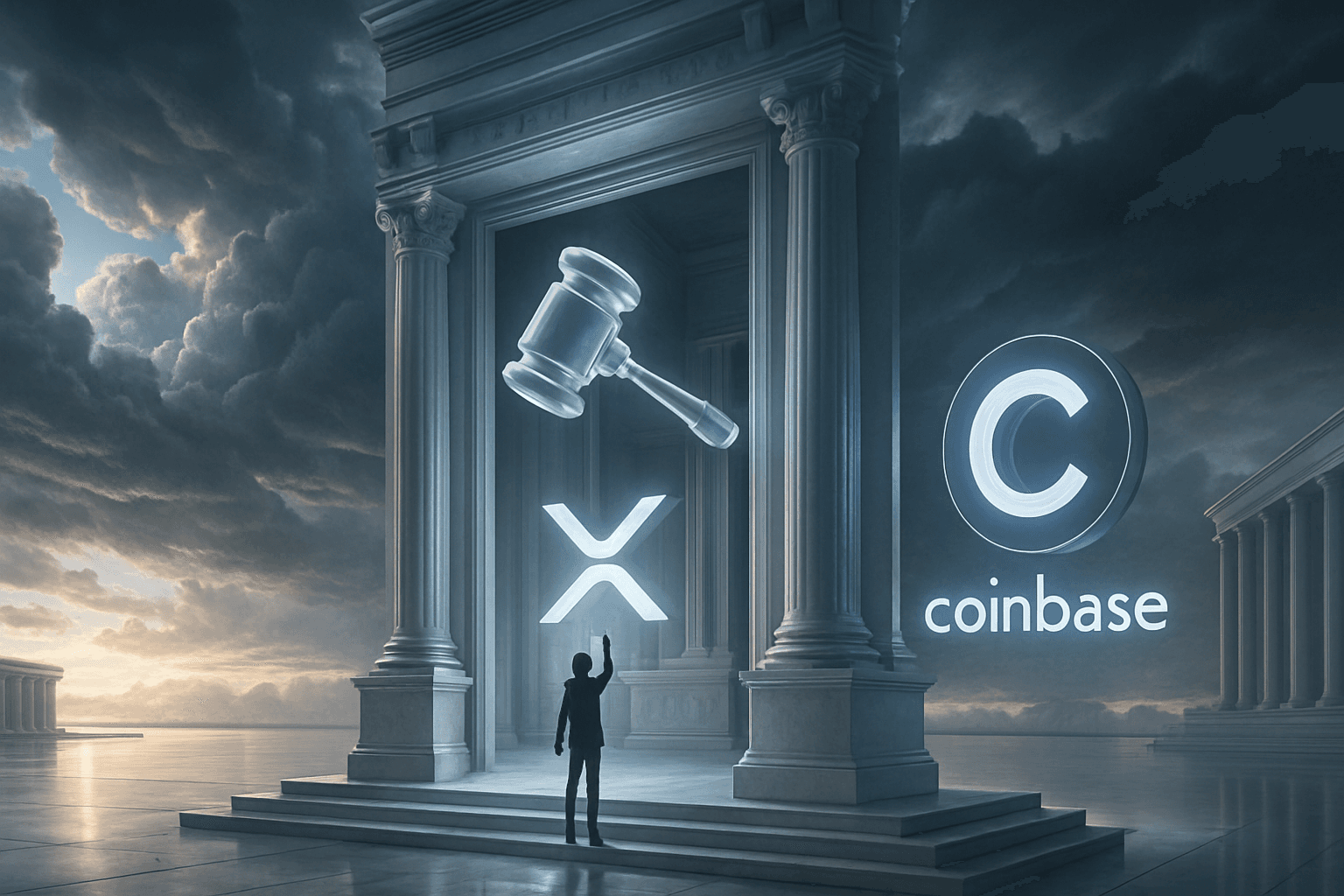
The CLARITY Act is poised for a Senate Banking Committee vote on May 15, marking the first major bipartisan legislative push for comprehensive US cryptocurrency regulation. Ripple CEO Brad Garlinghouse and Coinbase CEO Brian Armstrong have both publicly backed the bill.
Senate Banking Committee to Vote on CLARITY Act as Ripple and Coinbase Back Regulation
The CLARITY Act is poised for a Senate Banking Committee vote on May 15, marking the first major bipartisan legislative push for comprehensive US cryptocurrency regulation. Ripple CEO Brad Garlinghouse and Coinbase CEO Brian Armstrong have both publicly backed the bill, signaling rare industry consensus around federal digital asset oversight.
Garlinghouse called the CLARITY Act "crypto's long-awaited win," underscoring the shift from years of regulatory hostility toward the sector. Armstrong urged the Senate to pass the legislation, framing it as a major financial opportunity for US banks and tokenized fund products. After years of fragmented enforcement actions and regulatory crackdowns, this bill represents a potential turning point in how Washington treats digital assets.
The CLARITY Act aims to establish clear definitions and regulatory frameworks for cryptocurrencies and tokenized financial products. Currently, digital assets operate in a legal gray zone where multiple agencies claim jurisdiction. The SEC has pursued enforcement actions against exchanges and projects it deems securities. The CFTC oversees certain crypto derivatives. State regulators handle money transmission licenses. This patchwork has forced companies to navigate conflicting guidance or relocate operations overseas. The CLARITY Act would consolidate authority and provide businesses with explicit rules for compliance.
Garlinghouse highlighted XRP Ledger's payments-focused design, low transaction costs, short settlement times, and established community support as evidence that digital assets serve distinct financial functions. By emphasizing XRP's utility rather than speculative value, he positions payments-focused tokens as financial infrastructure deserving regulatory clarity rather than speculative assets requiring strict consumer protection rules.
Armstrong's pitch to the Senate focused on economic upside. Tokenized funds and regulated digital asset products could unlock trillions in value for US financial institutions, he argued. Banks have shown increasing interest in custody, trading, and settlement services for crypto assets. A clear regulatory framework would remove the legal uncertainty that currently keeps many traditional financial institutions on the sidelines. This argument resonates with lawmakers concerned about US competitiveness: if the US doesn't provide clear rules, crypto innovation and trading volume will migrate to jurisdictions like Singapore, Hong Kong, or the UAE.
The bill's advancement reflects a broader shift in congressional attitudes. Five years ago, crypto was treated as a fringe asset class associated with fraud and money laundering. Today, major institutional players, asset managers, and traditional financial firms have entered the market. Lawmakers increasingly view crypto regulation not as a moral issue but as an economic one.
Skepticism remains. Consumer advocates worry the CLARITY Act may prioritize industry preferences over investor protections. Some crypto purists argue that federal regulation contradicts blockchain's decentralization principles. Smaller projects and decentralized protocols may face compliance burdens that larger, well-funded companies can absorb. The bill could still be modified significantly or fail to pass the full Senate.
The May 15 vote will signal whether this momentum translates into law. A favorable committee vote would move the bill toward a full Senate floor vote, though timing and final passage remain uncertain. For the crypto industry, regulatory clarity has been the stated priority for years. Tomorrow, that priority moves closer to reality.