San Francisco home invasion exposes $11 million crypto loss tied to prominent tech figures
A targeted San Francisco home invasion exposes $11M in crypto losses and raises concerns over digital security among tech elites.
A high-profile crypto heist in San Francisco has unsettled one of the city’s most influential tech enclaves, raising questions about security, digital wealth, and the risks surrounding prominent investors. The incident, which occurred Saturday evening at a Mission District residence, involved an assailant posing as a delivery worker who gained entry to the home and forced a resident to hand over access to his crypto holdings. Authorities estimate the losses at roughly $11 million in Bitcoin and Ethereum.
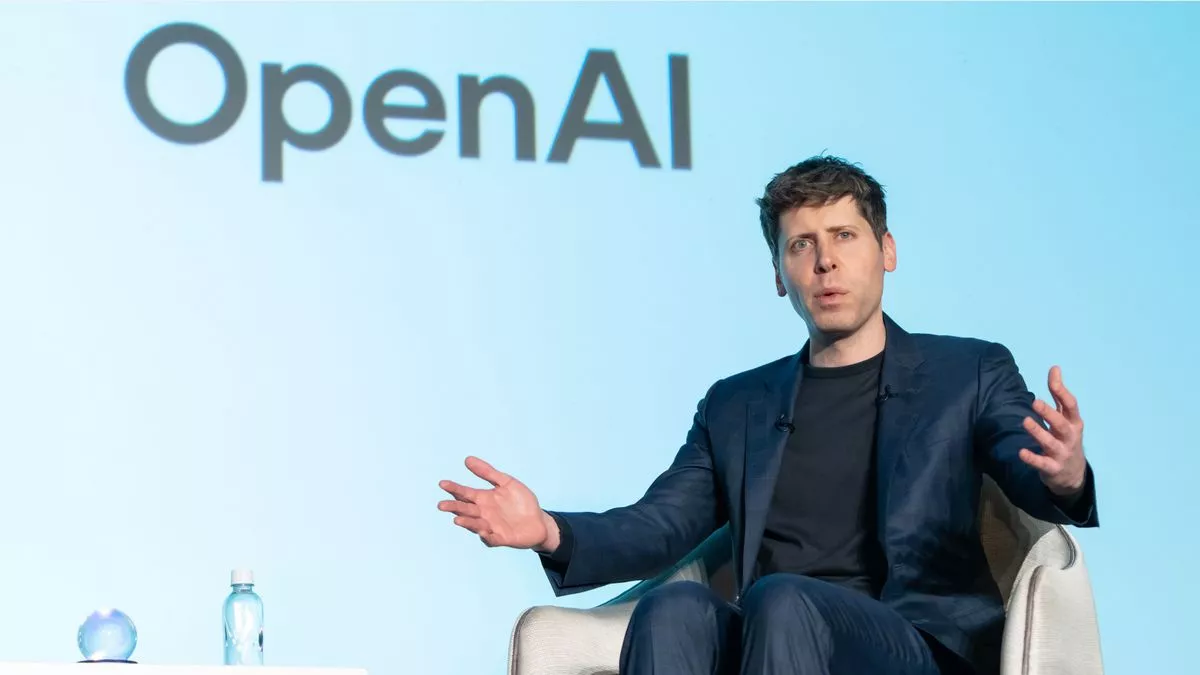
The targeted home belongs to venture capitalist Lachy Groom, a figure deeply connected to Silicon Valley’s startup ecosystem and known for past personal ties to OpenAI chief executive Sam Altman. Law enforcement reports indicate that Groom shares the property with another investor, identified as Joshua, who became the focus of the robbery after responding to what appeared to be a routine package delivery.
Doorbell footage circulating online shows the suspect holding a box and asking for Joshua by name. After being let inside, the situation escalated quickly. Investigators say the attacker restrained the victim and compelled him to relinquish access to digital wallets over the course of roughly ninety minutes. Police later found Joshua with minor physical injuries and signs of significant distress.
Early assessments suggest the event was not a spontaneous break-in but a targeted operation. A source close to the case indicated that the suspect appeared to be working in coordination with individuals who communicated remotely during the incident, supplying personal information about the victim to pressure him into compliance. The nature of the group behind the attack remains under investigation, though authorities are examining the possibility of an organized international effort.
The robbery has brought renewed attention to Groom and his proximity to some of tech’s most recognizable figures. Groom, widely known for his trajectory from teenage entrepreneur to venture capitalist, has been part of the so-called Stripe Mafia, a network of former employees who went on to build or fund high-growth startups. His association with Altman has resurfaced amid the incident, fueled by archived social media posts in which both men praised each other’s work. Public records show that Groom purchased the property in 2021 from Altman’s brother.
The neighborhood where the robbery occurred is no stranger to high-value homes and prominent tech residents. Figures like Mark Zuckerberg have owned property in the surrounding area, adding to speculation that wealth concentration may be attracting increasingly sophisticated criminal schemes.
The case has also renewed debate over digital asset security. Following the incident, investor Garry Tan reposted the doorbell footage in an appeal for public assistance before deleting it. He later commented on the trade-offs between self-custody and institutional storage for long-term crypto holdings, a discussion that continues to influence both individual investors and institutional actors.
Police have not identified a suspect, and the investigation is ongoing. The episode stands as one of the most striking reminders yet that even in the heart of San Francisco’s tech world, where digital innovation and personal security measures often collide, vulnerabilities persist.