Russia Signals Easing of Crypto Rules to Open Market to Retail Investors
Russia considers lowering strict barriers on crypto trading to allow retail investor access, signaling a major policy shift.
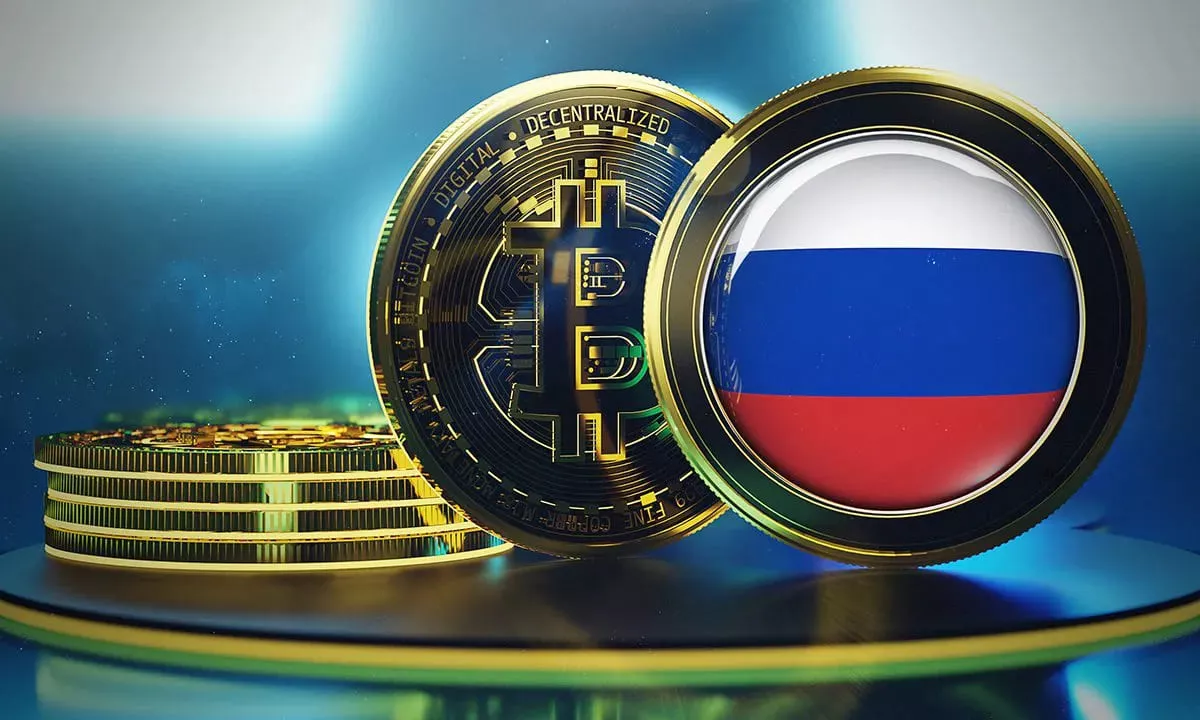
Russia may be preparing a significant policy shift that could grant ordinary citizens access to cryptocurrency trading, marking a departure from its traditionally restrictive stance on digital assets.
At the Eastern Economic Forum in Vladivostok, Alexey Yakovlev, Director of the Financial Policy Department at the Ministry of Finance, confirmed that discussions are underway to relax the strict thresholds currently required for crypto investment. “We are discussing exactly these figures. We believe these criteria can be adjusted downwards. It’s being discussed now,” Yakovlev told reporters, hinting that broader retail participation may soon be permitted.
Under the existing framework, only wealthy individuals have been allowed to trade crypto in Russia. The Central Bank introduced a three-year pilot program earlier this year, permitting access only to those earning more than 50 million rubles annually—around $600,000—and willing to invest at least 100 million rubles ($1.2 million). Retail investors have been effectively excluded from the market and face fines if caught trading outside the sanctioned channels.
Despite these restrictions, cryptocurrency has proven remarkably popular in Russia. By the end of the first quarter of 2025, Russian investors collectively held more than 2 trillion rubles, equivalent to $25.4 billion, according to government data. This demand has strengthened calls to loosen the rules and make crypto more accessible.
The Ministry of Finance has suggested that lowering the minimum thresholds could provide a pathway for more ordinary investors to enter the market legally. Officials are also considering the launch of a state-backed digital asset exchange, which could become a central hub for both institutional and retail adoption once barriers are eased. Finance Minister Anton Siluanov has argued that such measures could help the Russian economy weather sanctions and strengthen its financial sovereignty.
The potential reform also reflects broader geopolitical considerations. Russia, alongside its BRICS partners, has been exploring blockchain and digital currencies as part of its de-dollarization strategy. China’s rollout of the digital yuan to retail markets highlights the growing use of digital assets within the bloc. For Moscow, opening up the crypto market to a wider base of investors could complement its approval of crypto for international payments, adopted in 2024 to mitigate pressure from Western sanctions.
Economic imperatives add to the urgency. With more than 1.7 million citizens unemployed, the Kremlin sees digital assets and Web3-related industries as potential drivers of growth, innovation, and job creation. Allowing retail investors into the crypto space could stimulate domestic markets, attract investment, and encourage companies to embrace blockchain solutions.
If enacted, this easing of restrictions would represent one of the most significant regulatory shifts in Russia’s approach to cryptocurrencies. By granting access to ordinary citizens, the government would not only broaden participation in the digital asset economy but also signal its intent to integrate crypto more deeply into its long-term economic and geopolitical strategy.