Ripple and Mastercard Forge Path for Blockchain-Powered Credit Card Settlements
Ripple and Mastercard partner to settle credit card payments using RLUSD stablecoin on the XRP Ledger.
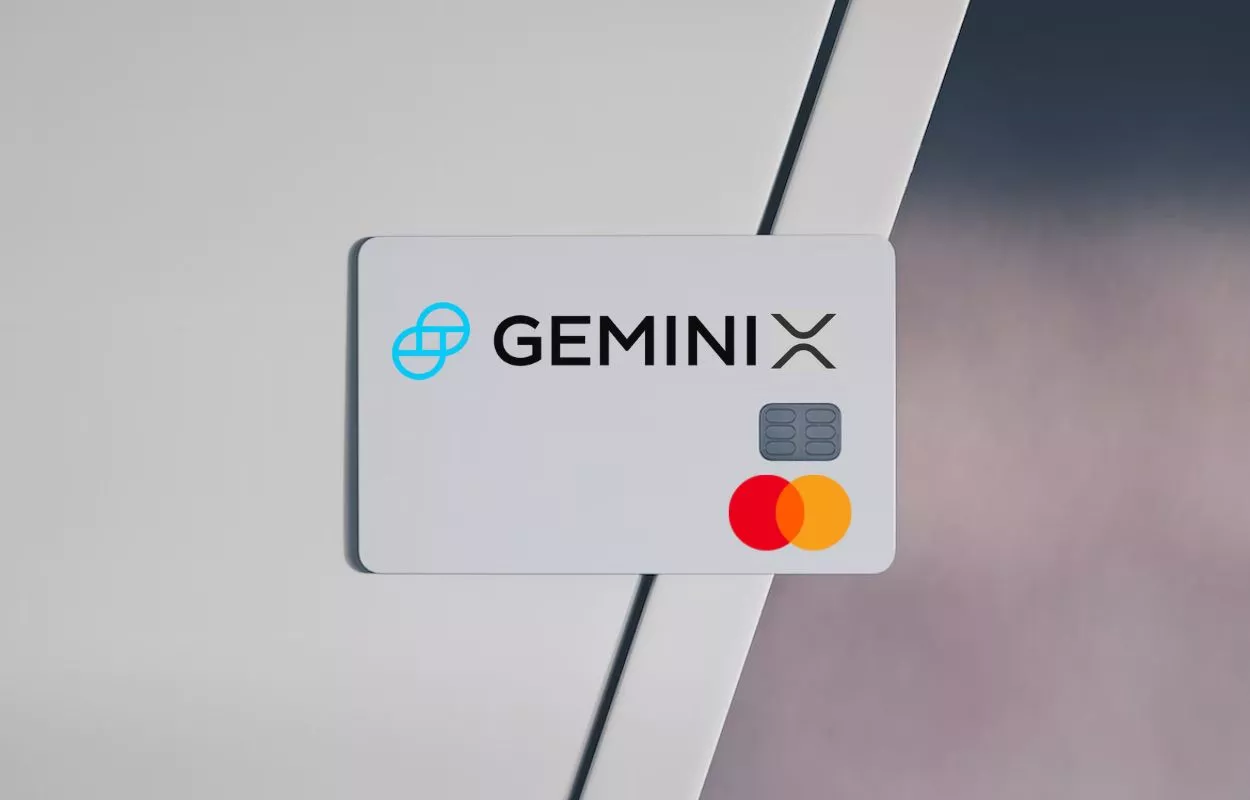
Ripple has unveiled a landmark partnership with Mastercard, WebBank, and Gemini aimed at integrating blockchain-based stablecoin settlements into mainstream finance. Announced during Ripple Swell 2025 in New York, the collaboration will use Ripple’s U.S. dollar–backed stablecoin, RLUSD, on the XRP Ledger (XRPL) to process credit card payments between Mastercard and WebBank, the issuer of the Gemini Credit Card.
This initiative marks one of the first times a regulated U.S. financial institution will use a stablecoin on a public blockchain for card transaction settlements. For Ripple, it represents a decisive move toward merging decentralized finance infrastructure with the traditional payments industry. By employing RLUSD, the partners intend to make settlement faster, cheaper, and more transparent—while remaining fully compliant with existing banking regulations.
Ripple’s press release emphasized that the project builds upon prior work with Gemini and WebBank, which earlier launched an XRP-enabled edition of the Gemini Credit Card. The new phase extends this collaboration by deploying RLUSD for institutional-grade payment settlement. “Regulated, open-loop stablecoin payments can now move into the financial mainstream,” said Sherri Haymond, Mastercard’s Global Head of Digital Commercialization. She noted that Mastercard’s network is well-positioned to maintain consumer protections and regulatory clarity as blockchain integration deepens.
Monica Long, Ripple’s president, described the partnership as a tangible example of how regulated digital assets can enhance financial efficiency. “The XRPL continues to demonstrate institutional-grade reliability,” she said, underlining Ripple’s long-term strategy of positioning its ledger as a foundation for both private and public financial use cases.
WebBank CEO Jason Lloyd added that the collaboration shows how banks can act as the connective tissue between blockchain innovation and traditional finance. “Stablecoins like RLUSD enable us to streamline settlement without sacrificing oversight or security,” he said. Gemini’s CFO Dan Chen echoed this view, noting that integrating RLUSD into credit card infrastructure offers a bridge between consumer spending and digital asset adoption.
At the core of this effort lies the XRP Ledger, known for its scalability, speed, and low transaction costs. XRP itself remains essential in ensuring network liquidity and cross-border interoperability. RLUSD, meanwhile, has rapidly expanded since its 2024 debut under the New York Department of Financial Services (NYDFS) Trust Company Charter. Fully backed by cash and cash-equivalent reserves, the stablecoin now exceeds $1 billion in circulation and underpins several Ripple-powered payment and DeFi solutions.
Pending final regulatory approvals, Ripple and its partners plan to begin onboarding RLUSD onto the XRPL for settlement testing in the coming months. The integration with Mastercard and WebBank could signal a turning point in how banks and fintechs approach blockchain adoption—bringing stablecoin settlement from niche experimentation to everyday financial infrastructure.