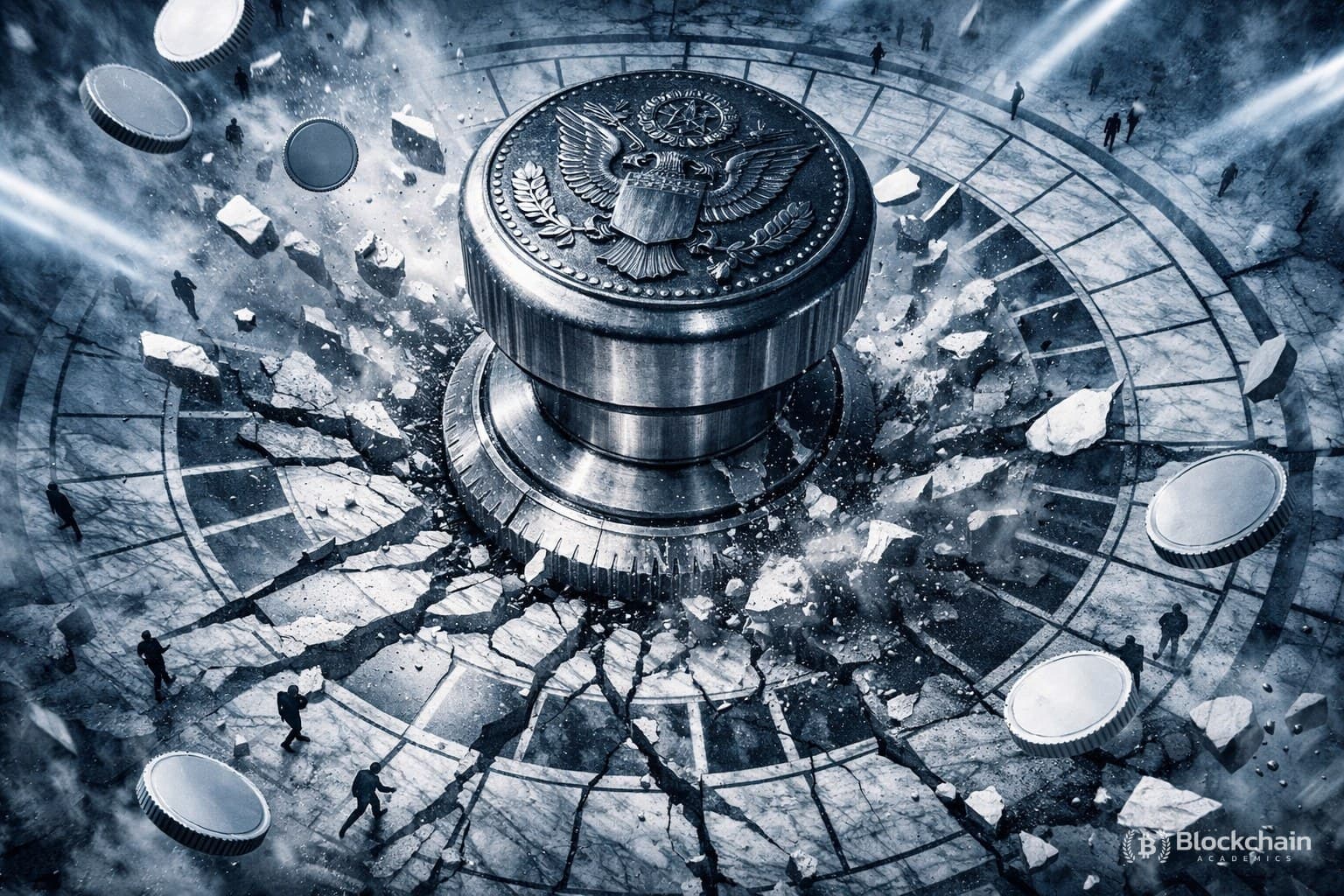
Pakistan's Crypto Regulator Seeks Dialogue with Islamic Scholars Over Shariah Ruling
Pakistan's virtual assets regulator is attempting to bridge the gap between cryptocurrency innovation and Islamic law compliance after a Shariah ruling declared digital asset payments impermissible. The PVARA has initiated dialogue with Islamic scholars, signaling a pragmatic approach to...
Pakistan's Crypto Regulator Seeks Dialogue with Islamic Scholars Over Shariah Ruling
Pakistan's virtual assets regulator is attempting to bridge a widening gap between cryptocurrency innovation and Islamic law compliance after a Shariah ruling declared digital asset payments impermissible in the Muslim-majority nation.
The Pakistan Virtual Assets Regulatory Authority (PVARA) has initiated dialogue with Islamic scholars following the ruling, which poses a significant challenge to crypto adoption in a country where religious law compliance is critical for financial product acceptance. The regulator met with an Islamic scholar who backed the ruling against crypto-based purchases, signaling a pragmatic approach to reconciling regulatory innovation with Shariah principles rather than pursuing outright prohibition.
The move reflects PVARA's recognition that sustainable crypto frameworks in Pakistan must satisfy both regulatory and religious requirements. Pakistan's crypto sector has grown substantially in recent years, with peer-to-peer Bitcoin trading volumes regularly exceeding $100 million monthly. However, the Shariah ruling threatens to undermine institutional adoption and mainstream acceptance in a country where roughly 97% of the population identifies as Muslim. Financial products that lack Islamic law approval face significant headwinds in Pakistani markets, regardless of regulatory backing.
The regulator's dialogue-based approach differs markedly from responses in other Muslim-majority jurisdictions. Some countries have implemented blanket crypto bans citing religious concerns, while others have pursued crypto frameworks without addressing theological objections. Pakistan's strategy suggests officials believe engagement with religious authorities can yield a framework that satisfies both innovation advocates and Islamic scholars. PVARA has not disclosed specific timelines or the scholars involved in ongoing discussions, but the initiative indicates the regulator views this as a solvable problem rather than an intractable conflict.
Islamic finance scholars have long raised concerns about cryptocurrency's volatility, speculative nature, and lack of underlying assets, arguing these characteristics conflict with Shariah principles governing permissible financial instruments. The recent ruling reflects these longstanding theological positions. However, the outcome of PVARA's dialogue remains uncertain. Some Islamic scholars may maintain that crypto's fundamental characteristics make it incompatible with Shariah law regardless of regulatory structure. Others might accept narrower use cases, such as crypto-backed stablecoins or blockchain applications in trade finance, if structured to comply with Islamic finance principles.
For Pakistan's crypto sector, the stakes are substantial. A formal Shariah consensus against crypto payments could severely limit institutional participation, banking relationships, and mainstream adoption. Conversely, a theological framework permitting certain crypto applications could position Pakistan as a model for Islamic finance innovation, potentially attracting capital from other Muslim-majority nations seeking Shariah-compliant digital asset infrastructure.
The dialogue also reflects broader tensions within crypto regulation globally. Most jurisdictions separate financial regulation from religious law, but Pakistan's approach acknowledges that in some markets, regulatory legitimacy depends on religious endorsement. Whether PVARA can broker a compromise that satisfies both crypto advocates seeking unrestricted innovation and Islamic scholars concerned about theological integrity will likely influence how other Muslim-majority nations approach crypto regulation in the years ahead.