Oracles as the Bridge Between Blockchain and the Real World
Discover how blockchain oracles connect smart contracts with real-world data, their benefits, challenges, evolution, and growing role in Web3.
Overviewbr>Blockchains are powerful tools for recording and securing transactions, but by design, they are closed systems. They cannot directly access data from the outside world, such as market prices, weather forecasts, or sports results. This is where oracles come into play. Oracles act as intermediaries that feed real-world information into smart contracts, enabling decentralized applications (dApps) to function beyond the blockchain’s internal environment.
strong>/strong>
Examplesbr>A widely known example is Chainlink, a decentralized oracle network that provides price feeds to DeFi platforms like Aave and Synthetix. These feeds ensure that lending, borrowing, and derivatives contracts remain accurate and secure. Another case is weather derivatives, where oracles supply rainfall or temperature data to trigger payouts for farmers in parametric insurance. Even the gaming industry benefits: prediction markets like Augur use oracles to verify real-world event outcomes.
strong>/strong>
Advantagesbr>The main advantage of oracles is expanding blockchain’s utility. Without them, smart contracts would be limited to on-chain data. Oracles enable:
strong>/strong>
Challengesbr>Despite their importance, oracles face notable difficulties. The biggest is the oracle problem, which questions how to guarantee that the data provided is accurate and tamper-proof. Centralized oracles introduce single points of failure, making systems vulnerable to attacks. Latency and reliability are also concerns: in fast-moving markets, delays in data delivery can create financial losses. ensuring decentralization while keeping costs low remains a technical challenge.
strong>/strong>
Evolution Over Timebr>The earliest oracles were centralized services, often just a server fetching API data and relaying it to the blockchain. While functional, they contradicted the ethos of decentralization. Over time, networks like Chainlink, Band Protocol, and API3 introduced decentralized oracle mechanisms, using multiple data providers to enhance reliability. Hybrid oracles are also emerging, combining off-chain computation with cryptographic proofs to ensure both accuracy and transparency. This evolution mirrors blockchain’s broader trend: from fragile centralized tools toward robust decentralized infrastructures.
strong>/strong>
Market Sentimentbr>The market views oracles as essential infrastructure for Web3. In the DeFi boom, oracle-related tokens gained massive adoption, reflecting their critical role in securing billions of dollars in total value locked (TVL). Investors generally see oracle projects as foundational to blockchain’s long-term growth, although concerns about vulnerabilities, such as oracle manipulation attacks in DeFi, remain. Analysts predict that as real-world asset tokenization expands, oracles will grow even more indispensable.
strong>/strong>
Conclusionbr>Oracles represent the bridge that allows blockchains to interact with the real world. They extend the utility of smart contracts, enabling applications across finance, insurance, logistics, and gaming. While challenges like data integrity and decentralization persist, continuous innovation is addressing these concerns. As blockchain matures, oracles will likely stand as one of the most vital components ensuring trust, connectivity, and functionality in the decentralized economy.
By Alejandro Silva Ramírez, Crypto Analyst & Columnist
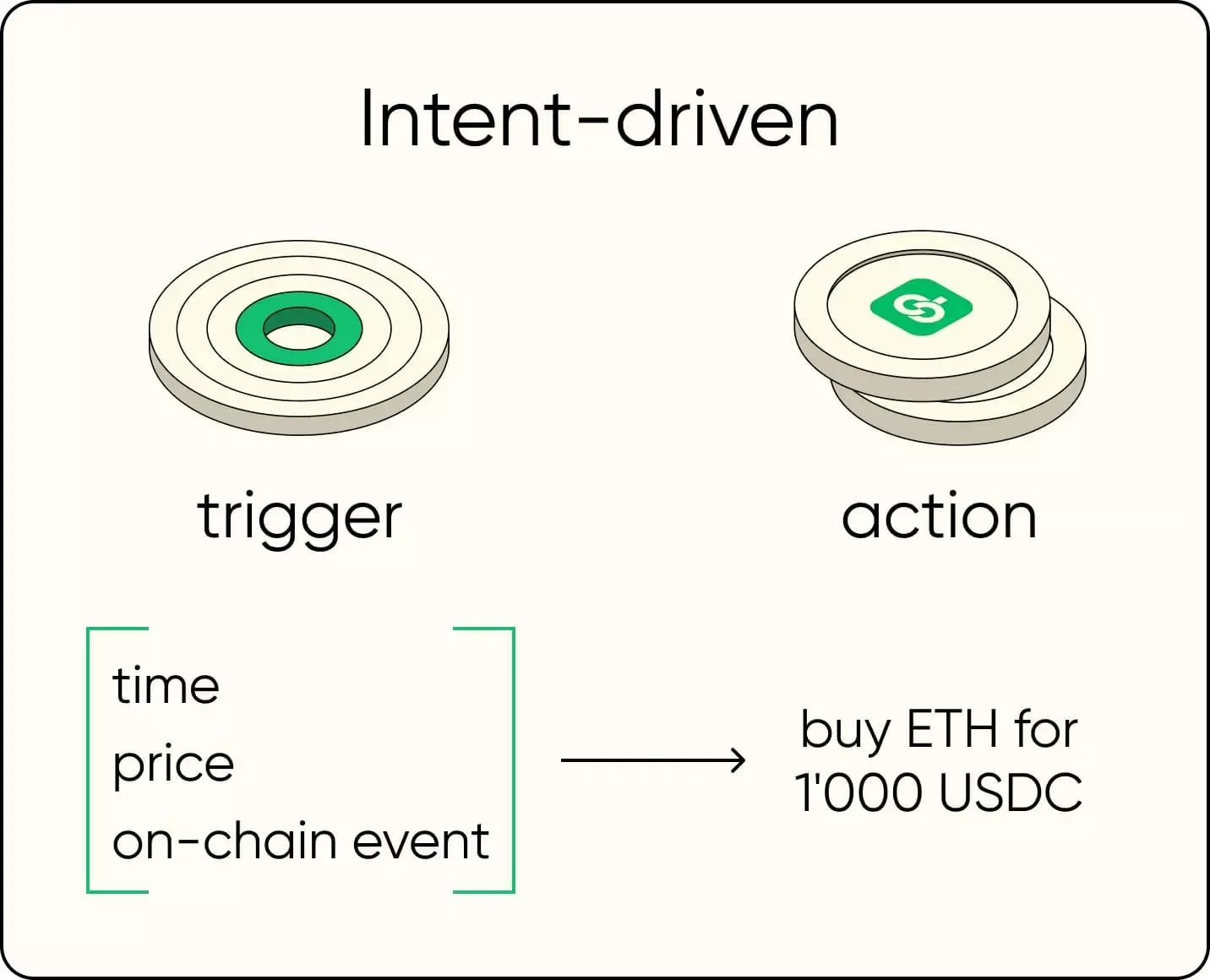
- Automation: They allow self-executing contracts based on real-world triggers.
- Scalability: They support industries like finance, insurance, and supply chains with accurate external inputs.
- Trust Minimization: Decentralized oracles reduce the reliance on a single data source, lowering risks of manipulation.