North Korean Hackers Steal $2B in Crypto During 2025, Up 51% YoY
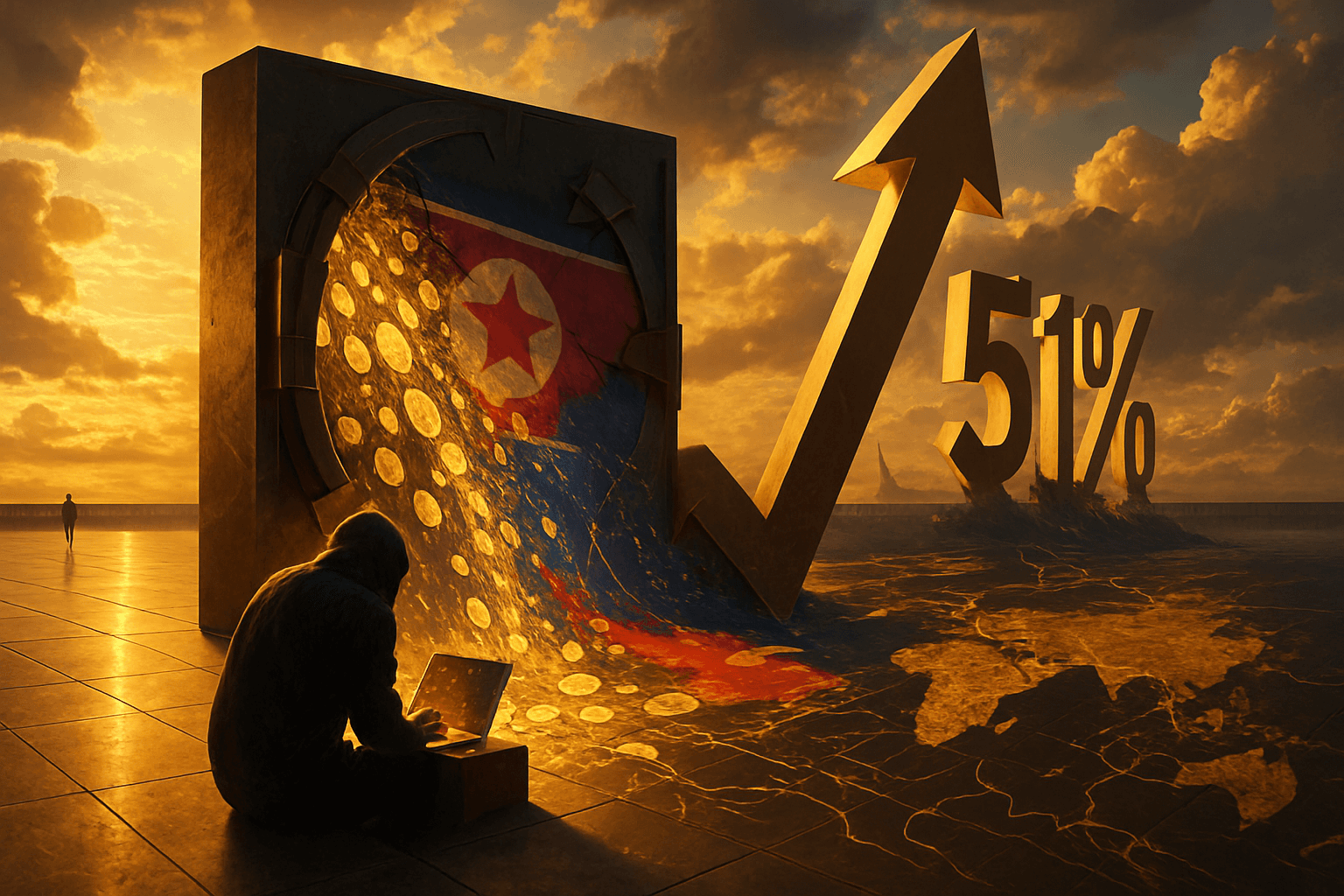
North Korean state-sponsored hackers stole approximately $2 billion in cryptocurrency during 2025, marking a 51% increase from 2024. The escalation reflects the regime's growing reliance on cybercrime to fund weapons development and circumvent international sanctions.
North Korean Hackers Steal $2B in Crypto During 2025, Up 51% YoY
North Korean state-sponsored hackers stole approximately $2 billion in cryptocurrency during 2025, marking a 51% increase from 2024 and signaling an acceleration in the regime's use of cybercrime to fund weapons development and evade international sanctions.
The theft figure, compiled from security researchers and exchange incident reports, reflects losses across dozens of attacks targeting exchanges, custodians, and individual wallet holders. Multiple small hacker groups operating under North Korean direction executed the thefts using malware deployment and social engineering tactics. The scale underscores how the isolated regime has pivoted toward digital asset theft as a primary revenue stream amid tightening economic isolation.
The 51% year-over-year jump suggests the regime is both increasing attack frequency and targeting larger pools of capital. This aligns with United Nations reports documenting North Korea's systematic use of cybercrime proceeds to circumvent sanctions and finance its nuclear and missile programs.
The 2025 figure represents a dramatic escalation from the regime's historical theft patterns. The Lazarus Group, widely attributed to North Korean intelligence services, has been linked to major cryptocurrency heists including the $530 million Coincheck exchange hack in 2018 and the $100 million Binance Bridge theft in 2021. However, 2025 data suggests the regime is no longer relying on occasional mega-hacks but has instead built a distributed network of smaller, more frequent operations designed to avoid detection and attribution.
Attack methods have grown more sophisticated. Rather than targeting exchange infrastructure directly, North Korean hackers are increasingly deploying spear-phishing campaigns against individual employees at custodial firms and smaller exchanges, combined with malware that harvests private keys and seed phrases. Social engineering scams targeting crypto traders and project founders have also proliferated, with attackers impersonating venture capitalists, exchange executives, and other trusted figures to trick victims into transferring funds to attacker-controlled wallets.
Security researchers note that the actual theft total may be substantially higher. Many cryptocurrency thefts go unreported for weeks or months, particularly when they target smaller exchanges or institutional custodians concerned about reputational damage. Some breaches are never publicly disclosed. Additionally, tracking stolen funds across multiple blockchains and through mixing services and decentralized exchanges makes precise accounting difficult. The $2 billion figure likely represents only publicly confirmed or discovered losses.
The geopolitical implications are significant. North Korea's nuclear and ballistic missile programs require sustained funding despite comprehensive international sanctions. Traditional revenue streams, including coal exports, textile production, and labor trafficking, have been severely constrained by UN Security Council resolutions. Cryptocurrency theft has become one of the regime's most reliable sources of hard currency. Unlike sanctioned banking channels, cryptocurrency transfers can occur across borders without triggering traditional financial controls, making digital assets ideal for sanctions evasion.
The U.S. Treasury Department and international law enforcement have attempted to counter the threat through sanctions targeting North Korean cyber actors and public attribution campaigns. In 2021, the U.S. Treasury sanctioned the Lazarus Group and two subsidiary hacking organizations, Bluenoroff and Andariel, for their role in major cryptocurrency thefts. However, sanctions have proven ineffective at deterring the attacks. The regime's cyber operations continue to scale, suggesting either that the financial incentives outweigh the risk of sanctions or that the regime views cybercrime as sufficiently insulated from traditional enforcement mechanisms.
The $2 billion 2025 figure also reflects the maturation of cryptocurrency markets themselves. The total cryptocurrency market capitalization now exceeds $2 trillion, and institutional adoption has created larger, more attractive targets. Exchanges and custodians hold substantially more assets than they did five years ago, making them higher-value objectives for sophisticated threat actors. At the same time, many cryptocurrency platforms operate with security practices that lag behind traditional financial institutions, creating exploitable gaps.
Some cybersecurity experts caution against overinterpreting the 51% year-over-year increase. Attribution of cyberattacks to specific state actors remains technically challenging and subject to debate among researchers. Not all attacks attributed to North Korea are definitively linked to the regime through forensic evidence. Additionally, improved awareness at cryptocurrency exchanges and the adoption of more robust security practices at some custodians may slow future theft rates, potentially creating a natural ceiling on attack success rates.
Mitigation efforts are underway but remain fragmented. The Blockchain Association and individual exchanges have implemented stricter employee security protocols, hardware wallet requirements for large holdings, and multi-signature approval processes. Some countries, including South Korea and Japan, have strengthened cryptocurrency exchange licensing requirements and custody standards. However, the decentralized nature of cryptocurrency markets means that security standards vary widely. Smaller exchanges and emerging platforms in less-regulated jurisdictions remain vulnerable.
The 2025 data suggests the North Korean cyber threat will continue to escalate absent significant changes in the threat environment. The regime has demonstrated sustained commitment to building sophisticated cyber capabilities, and the financial returns from cryptocurrency theft appear to justify the investment. For cryptocurrency platforms and institutional participants, the implication is clear: state-sponsored actors now view digital assets as a primary target, and security practices must evolve accordingly.