Lazarus Group Targets Crypto Executives with New macOS Malware 'Mach-O Man'
North Korea's Lazarus Group is running an active campaign against cryptocurrency and fintech executives using a new modular macOS malware kit called "Mach-O Man," which uses fake meeting invites to steal credentials and gain unauthorized access to crypto wallets. The campaign was ongoing as of April
North Korea's Lazarus Group is running an active campaign against cryptocurrency and fintech executives using a new modular macOS malware kit called "Mach-O Man," which uses fake meeting invites to steal credentials and gain unauthorized access to crypto wallets. The campaign was ongoing as of April 22, 2026, and marks a notable tactical shift for a group historically focused on Windows-based attacks.
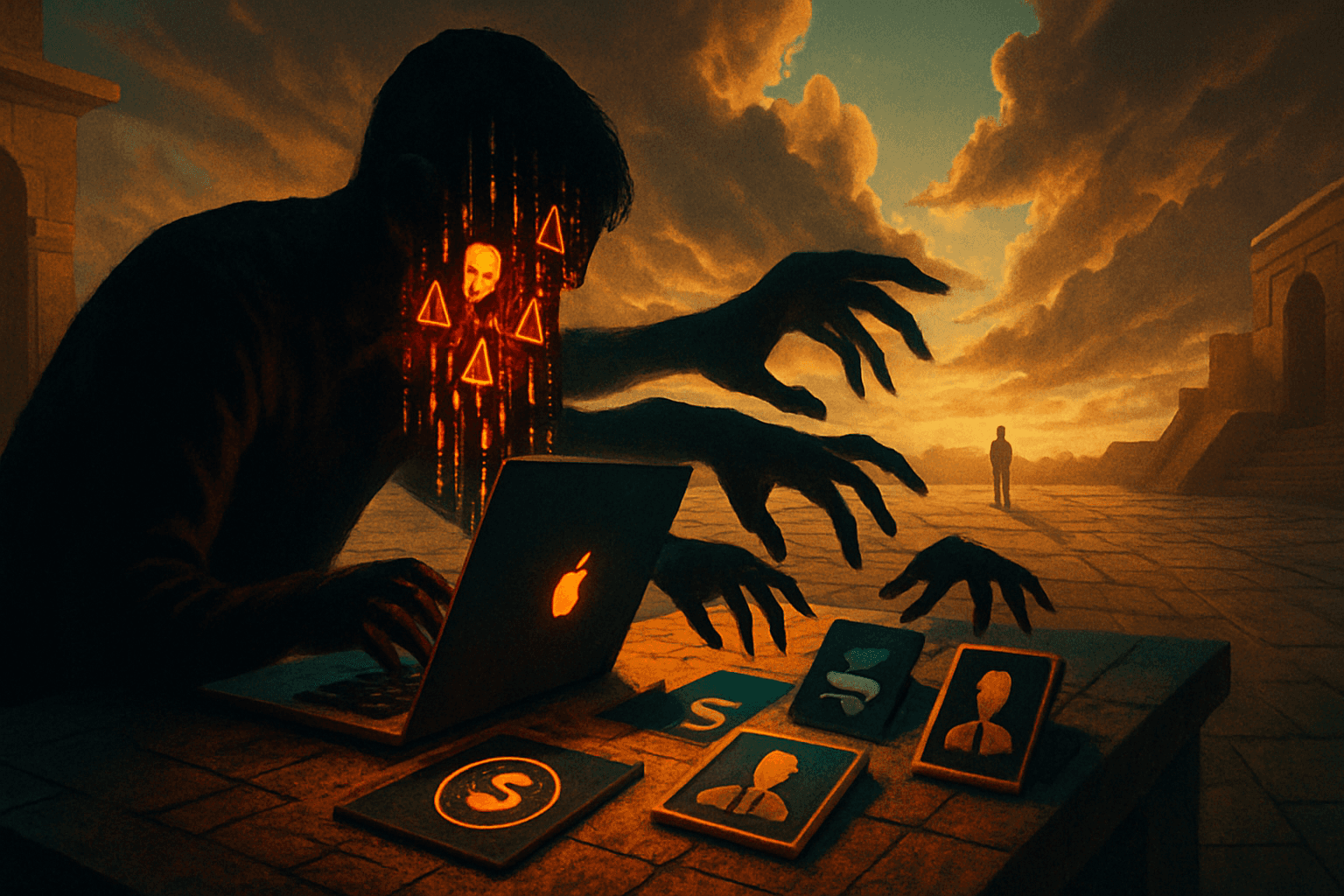
Mach-O Man is engineered to extract macOS Keychain data, Apple's built-in password and credential management system, giving attackers access to stored passwords, private keys, and authentication tokens. The modular design means individual components can be swapped or updated independently, making the malware harder to detect and easier to adapt across different targets. Bitcoin.com News reported that the attack chain begins with social engineering: targets receive what appear to be legitimate meeting invitations, and executing the accompanying payload is enough to compromise the system.
The shift to macOS is deliberate. Developers and senior executives at crypto firms disproportionately use Apple hardware, and their machines are more likely to hold high-value credentials: exchange API keys, wallet seed phrases, internal admin access, and authentication tokens for custodial systems. A single compromised executive device can provide a foothold into an organization's broader infrastructure. Lazarus Group has historically followed the money with precision, and this campaign is no different.
Lazarus Group's track record in crypto theft is extensive and well-documented. The group, attributed to North Korea's Reconnaissance General Bureau, executed the 2016 Bangladesh Bank heist that netted $81 million via fraudulent SWIFT transfers. In 2018, the Coincheck exchange in Japan lost $530 million in NEM tokens in an attack linked to the group. The 2021 Poly Network exploit, which drained $611 million across three chains in one of the largest DeFi (decentralized finance) hacks on record, has also been attributed to North Korean state actors. The United Nations has estimated that North Korea has stolen over $3 billion in crypto assets since 2017, with proceeds funding the country's weapons programs.
There are meaningful limits to this campaign's reach. macOS's Gatekeeper system, which blocks unnotarized software from running by default, creates a friction point that mass-distribution malware cannot easily overcome. This attack relies on convincing a specific, high-value target to execute a file, which requires more effort per victim but yields significantly higher returns if successful. Users with hardware wallets or air-gapped signing systems are not vulnerable to credential theft via Keychain, since their private keys never touch the host machine. The targeted nature of the campaign, executives and developers rather than retail users, also limits its scale compared to broad phishing operations.
For the broader crypto industry, Mach-O Man is a signal that no operating system and no seniority level provides immunity from state-sponsored threat actors. Security teams at exchanges, custodians, and DeFi protocols should treat unsolicited meeting invites as a high-risk vector and enforce strict policies around executing files from external parties. Hardware security keys for authentication and cold storage for significant asset holdings remain the most reliable mitigations against this class of attack. The sophistication of Lazarus Group continues to grow in step with the value of assets it targets, and the industry's defensive posture needs to keep pace.