Kyrgyzstan Pushes Back Against Western Sanctions on Local Crypto Sector
Kyrgyzstan challenges U.S. and UK sanctions on local crypto firms, defending its sector amid accusations of aiding Russian finance.
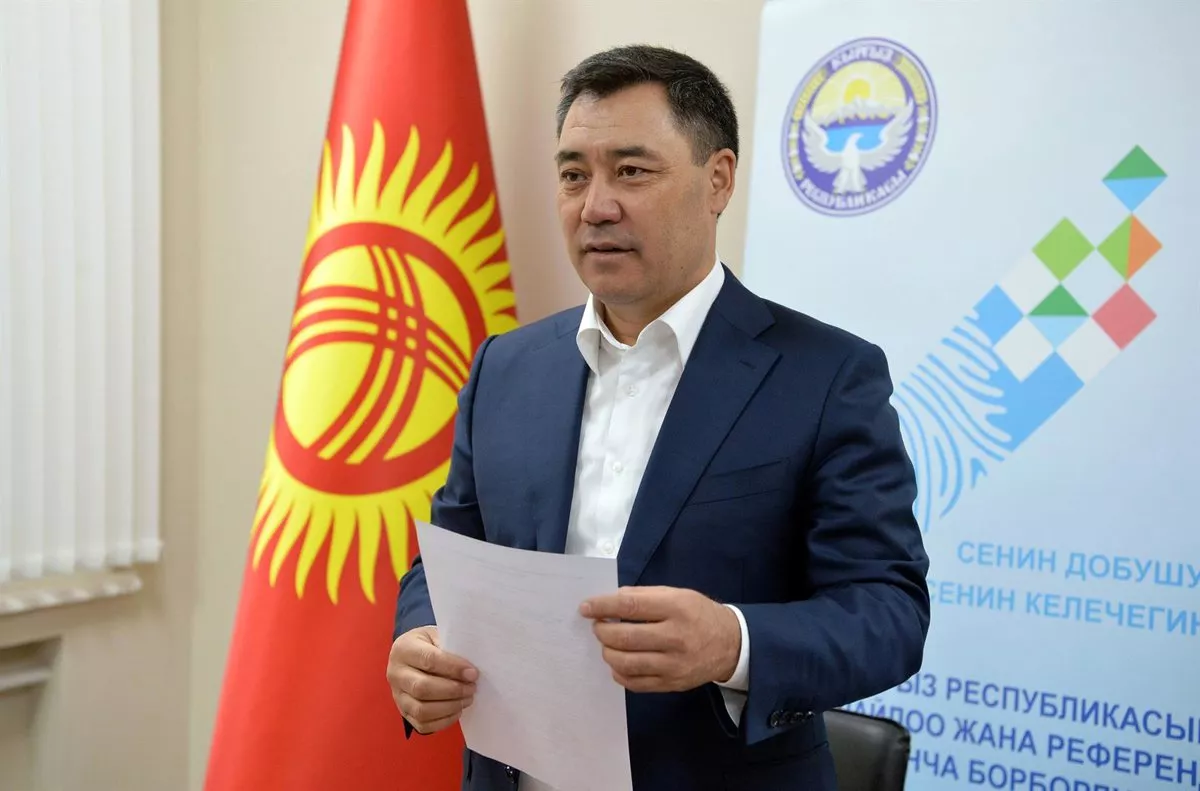
Kyrgyzstan’s president is challenging recent Western sanctions imposed on local cryptocurrency firms accused of aiding Russia in circumventing financial restrictions, framing the measures as unfair and politically motivated.
President Sadyr Japarov appealed directly to U.S. President Donald Trump and UK Prime Minister Keir Starmer to reconsider sanctions targeting Kyrgyz-based crypto exchanges Grinex and Meer. “There is no need to politicise the economy,” Japarov reportedly said, insisting that local firms are being misrepresented as complicit in illicit financial transfers.
Earlier this week, the UK imposed sanctions on multiple Kyrgyz entities linked to Russia’s financial networks, including infrastructure behind the ruble-pegged stablecoin A7A5. Both Washington and London accuse the projects of enabling billions of dollars in illegal transactions since the coin’s launch in February, allegedly helping Russian actors evade international restrictions. The measures build on a broader crackdown by U.S. regulators.
Japarov firmly rejected those claims, stating that only the state-owned Keremet Bank is legally authorized to manage ruble-based transactions. He stressed that all such activities are fully regulated, with revenues directed into the national budget, thereby distancing private Kyrgyz crypto firms from Russia-linked sanctions evasion.
Still, scrutiny of Kyrgyzstan’s crypto sector has intensified over the past year. Reports from theFinancial Timessuggested that the A7A5 stablecoin moved more than $9.3 billion in suspect transfers within just four months. A subsequent investigation by blockchain analytics firm TRM Labs deepened concerns, citing overlapping links between A7A5, Grinex, Meer, and Russia’s sanctioned exchange Garantex.
On-chain data revealed that Grinex and Meer shared wallet structures and transaction flows resembling those of Garantex, raising suspicions they may be successor entities facilitating illicit finance. Further red flags included repeated company registration details, recycled contact information, and potential shell structures—indicators of coordinated control.
Despite these allegations, Kyrgyzstan has actively pursued growth in its crypto industry, consulting with industry players and promoting new projects throughout 2025. The sanctions now cast a shadow over these ambitions, with international regulators pressing for stricter oversight.
Whether Japarov’s appeal can soften Western resolve remains uncertain. For now, Kyrgyzstan finds itself caught between its push to build a credible digital finance hub and global concerns over its potential role in facilitating Russia’s sanctions evasion.