Kenya Token Scam Unravels After Deepfake of Former Prime Minister Sparks Outrage
Kenya Token collapses after deepfake of Raila Odinga exposed, highlighting rising crypto scams in Africa.
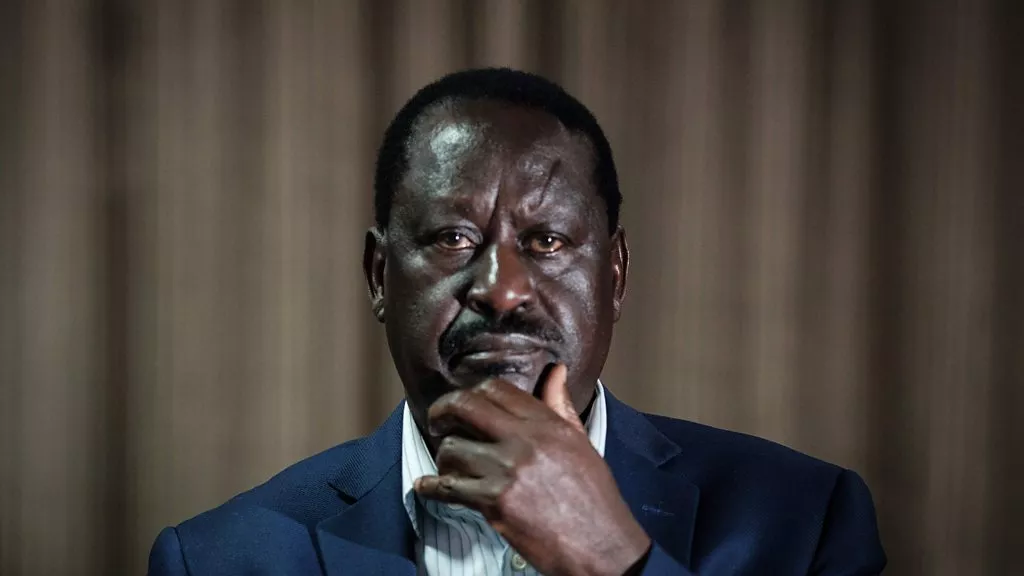
A fraudulent crypto scheme branded as Kenya Tokenhas collapsed after investigators revealed that its promotional campaign relied on a hacked account and a deepfaked video of former Kenyan Prime Minister Raila Odinga. The scandal has reignited concerns over the rising sophistication of scams in the digital asset sector and the growing threat posed by AI-generated misinformation.
The project, which surfaced earlier this month, claimed to represent a national initiative to strengthen Kenya’s role in the global crypto ecosystem. Its legitimacy was bolstered when a post appeared on Odinga’s verified X (formerly Twitter) account, accompanied by a video endorsing the token. However, the post was quickly deleted, and analysts soon confirmed that the video had been fabricated with deepfake technology, mimicking Odinga’s likeness and speech patterns.
While the fake announcement collapsed under scrutiny, the episode raises larger questions about the overlap between scam projects and semi-official digital asset ventures in Africa. Observers noted that Kenya Token’s branding bore striking similarities toKenya Digital Token(KDT), a separate initiative reportedly backed by certain government figures. Analysts argue that this overlap was designed to confuse investors and capitalize on the legitimacy of KDT.
Yet KDT itself is under suspicion. Blockchain analysts discovered troubling activity during its token generation event: 141 wallets collectively acquired 20% of the token supply, despite claims that the assets were “locked for the people.” The finding has fueled speculation that KDT could also be a disguised rug pull, designed to enrich insiders at the expense of retail investors.
The controversy has drawn comparisons to other questionable projects across Africa. In Nigeria, for example, promoters have previously sought high-level government endorsements for speculative meme coins, highlighting how political associations are increasingly used as tools for legitimacy—even when underlying projects lack transparency.
The involvement of AI deepfakes adds a new layer of concern. By impersonating Odinga, scammers exploited both his political stature and Kenya’s growing interest in digital finance to lure unsuspecting participants. Experts warn that as AI-generated media becomes more realistic, the risk of scams leveraging fabricated endorsements will increase dramatically.
“This incident is a stark reminder of how technology can be weaponized against communities seeking innovation,” said one Nairobi-based blockchain analyst. “Investors must learn to question even the most convincing announcements, especially when they involve political figures or supposed government backing.”
The collapse of Kenya Token serves as a cautionary tale for retail investors and policymakers alike. While grassroots adoption of cryptocurrency in Kenya has been steadily growing, high-profile scams threaten to undermine trust and stifle legitimate innovation.
the debacle underscores the urgent need for stronger consumer protection frameworks and for investors to exercise sharper skepticism. In an environment where deepfakes, insider bundling, and misleading branding are increasingly common, vigilance may be the only reliable safeguard against the next rug pull.