Kelp DAO Burns 17,132 Attacker rsETH Tokens, Sets Two-Week Recovery With Aave
Kelp DAO burned 17,132 rsETH tokens held by the exploiter behind a $292M breach, with Aave coordinating a two-week liquidity recovery and Ether withdrawals set to resume within 24 hours.
Kelp DAO Burns 17,132 Attacker rsETH Tokens, Sets Two-Week Recovery With Aave
Kelp DAO has burned 17,132 rsETH tokens held by the exploiter who drained $292 million from the protocol on April 18, 2026, with Aave coordinating a two-week liquidity restoration plan and Ether withdrawals expected to resume within 24 hours of the burn.
The exploit, attributed to attackers suspected of ties to North Korea's Lazarus Group, ranks among the largest DeFi breaches of 2026. Kelp DAO's official announcement confirmed the burn targeted rsETH tokens the attacker held on Arbitrum, effectively neutralizing the exploiter's ability to redeem or further weaponize those holdings. "Kelp DAO has burned the attacker's rsETH tokens and outlined a recovery plan to refill liquidity through Aave's Recovery Guardian multisig before resuming withdrawals," the protocol stated.
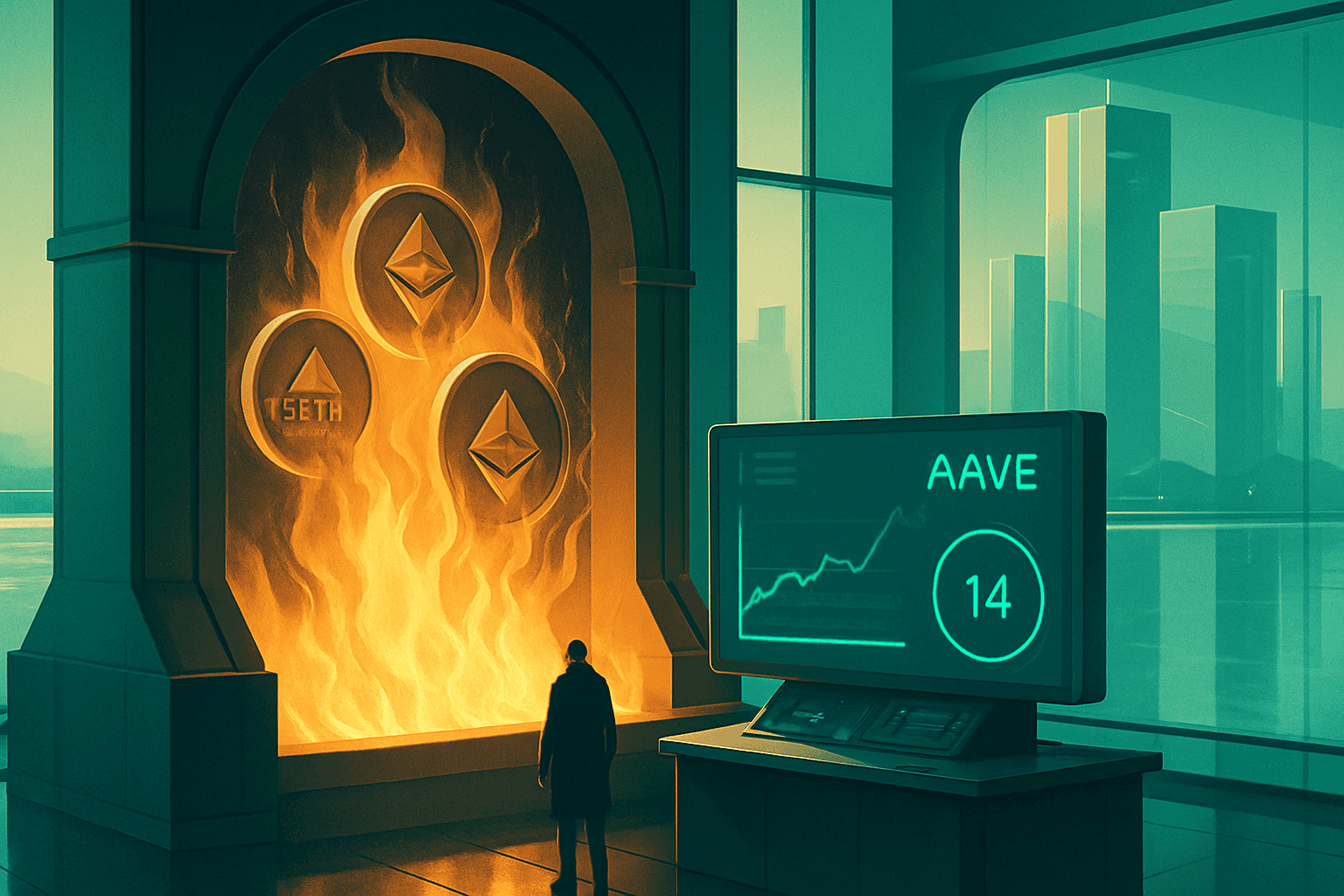
The recovery mechanics hinge on Aave's Recovery Guardian, a multisig wallet overseeing the refilling of 117,132 rsETH tokens over the two-week window. The rsETH bridge lockbox on Arbitrum is being replenished as part of this process. Aave raised $317 million in connection with the recovery effort, providing the capital base needed to restore the protocol's liquidity position. Separately, Arbitrum DAO cleared a governance vote to transfer $71 million in previously frozen ETH to Aave, directly clearing one of the key bottlenecks in the restoration timeline. That governance action sets a notable precedent: a decentralized autonomous organization intervening in a security crisis by redirecting frozen assets to support a cross-protocol recovery.
The Lazarus Group attribution, if confirmed, places this incident in a well-documented pattern of state-sponsored crypto theft. North Korean operatives have been linked to the 2022 Ronin Bridge hack, which netted $625 million, and the 2023 Atomic Wallet incident. Those prior cases share a common thread: technically sophisticated attacks against bridge or staking infrastructure, followed by rapid laundering attempts. Whether laundering is already underway with Kelp's stolen funds remains unclear from on-chain data available at time of publication.
The coordinated response between Kelp DAO and Aave reflects a maturing approach to post-exploit triage in DeFi. Rather than letting frozen assets sit in legal and governance limbo for months, the two protocols moved within weeks to burn attacker tokens, secure a governance mandate for fund transfers, and publish a concrete refilling schedule. That speed matters: prolonged uncertainty after a breach typically accelerates user withdrawals and suppresses protocol TVL far beyond the initial loss.
Several structural concerns remain. Burning the attacker's rsETH prevents further exploitation but does not restore the $292 million originally stolen. Users who suffered losses are not made whole by the burn itself; the refilling plan addresses liquidity, not compensation. The reliance on Aave's Recovery Guardian multisig also introduces a centralization point into what is nominally a decentralized recovery process. Luke Leasure noted that Aave's collateral oversight practices contributed to the vulnerability, framing the breach as a systemic risk management failure rather than an isolated Kelp DAO problem. That critique points toward a harder question the industry has not yet answered: how do protocols with interconnected collateral dependencies stress-test for state-level adversaries who operate with the resources and patience to probe those dependencies over months?
The Arbitrum DAO's willingness to release $71 million in frozen ETH for recovery purposes also deserves scrutiny beyond the immediate relief it provides. Governance-driven asset transfers in response to exploits create a template. Future attackers, or protocols in distress, will note that sufficiently large incidents can unlock governance action. The moral hazard is real, even if the decision was clearly the right one given the circumstances.
For the broader DeFi market, the Kelp-Aave coordination model offers a usable blueprint: burn attacker tokens quickly, secure governance backing for frozen assets, deploy a multisig-managed refilling schedule, and publish a transparent timeline. Whether that blueprint scales to incidents involving less cooperative governance structures, or attackers who move funds faster than governance can respond, is the open question the next major exploit will test.