Justin Sun Sues Trump-Backed World Liberty Financial Over $75M Frozen WLFI Tokens
Tron founder Justin Sun filed a federal lawsuit in California on April 22, 2026, against World Liberty Financial, the Trump-linked DeFi project valued at approximately $2.5 billion, alleging the project froze his $75 million WLFI token position without disclosure, stripped his governance voting righ
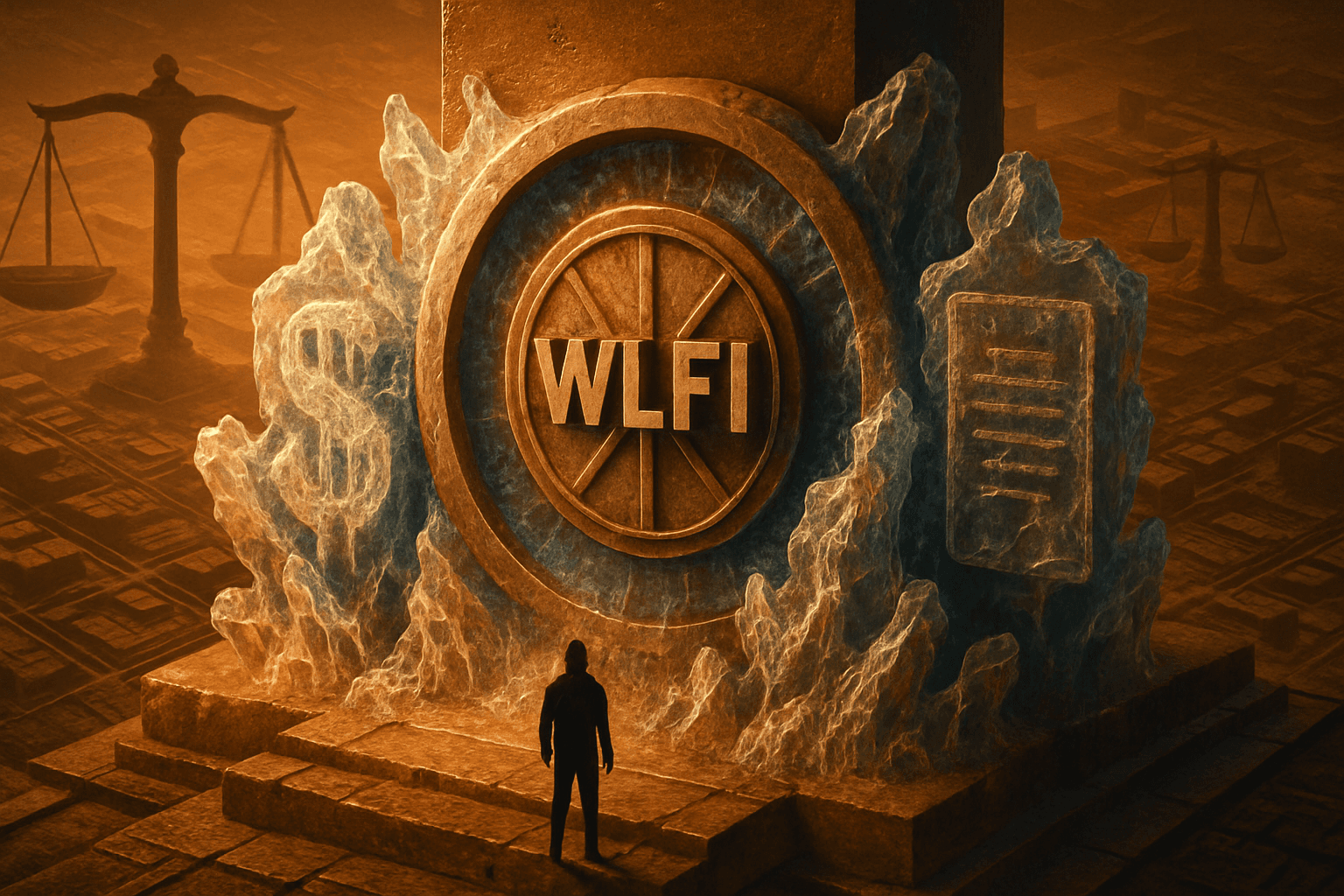
Tron founder Justin Sun filed a federal lawsuit in California on April 22, 2026, against World Liberty Financial, the Trump-linked DeFi project valued at approximately $2.5 billion, alleging the project froze his $75 million WLFI token position without disclosure, stripped his governance voting rights, and threatened to permanently burn his holdings to coerce additional investment.
The complaint, which alleges fraud and unlawful token freeze, centers on Sun's stake in WLFI, World Liberty Financial's native governance token. Governance tokens in DeFi protocols grant holders voting power over protocol decisions, making their removal a direct attack on a stakeholder's fundamental rights within the project. Sun announced the lawsuit Wednesday morning, stating that World Liberty Financial had "unjustly frozen" his WLFI tokens with no adequate justification provided.
The allegations escalate beyond a simple asset freeze. Sun claims the project's leadership threatened to burn his token holdings outright, a move that would permanently destroy his $75 million position, unless he agreed to commit further capital to the project. Token burning is irreversible on-chain, meaning such a threat, if carried out, would result in total and unrecoverable loss of Sun's stake. Compounding the dispute, reports indicate a new WLFI governance proposal could lock tokens indefinitely for any holder who rejects its terms, a mechanism critics argue functions as a coercive compliance tool dressed up as a protocol update.
World Liberty Financial has not yet issued a formal public response to the lawsuit. The project could argue that any token restrictions were applied under governance rules or terms of service Sun accepted when he acquired his position, and that the proposal in question represents a legitimate protocol upgrade rather than punitive action. Some observers have noted Sun's history of aggressive deal-making and suggested the lawsuit may serve as a negotiating lever rather than a straightforward legal claim. The Trump administration's association with the project adds a charged political dimension. Supporters of the project may frame Sun's legal action as politically motivated interference with a high-profile American crypto initiative.
The stakes extend well beyond two parties in a California courtroom. World Liberty Financial's ties to the Trump family have made it one of the most politically visible DeFi projects in the United States, and a federal ruling on the legality of its token freeze and governance mechanics could reverberate across the entire sector. Token holder rights in DeFi remain a largely unsettled area of law. Past disputes at failed centralized lenders like Celsius Network and Voyager Digital exposed how little legal protection token holders actually have when a project's leadership acts unilaterally, but those cases involved insolvency proceedings rather than an active, solvent protocol allegedly weaponizing governance against a specific investor. A court finding that World Liberty Financial's token freeze constitutes fraud would be among the most significant legal precedents yet established for on-chain governance rights.
Sun's decision to pursue federal litigation rather than an on-chain governance challenge is itself telling. If his voting rights were already stripped, the courts become his only viable venue. The case puts a spotlight on a structural vulnerability in token-based governance: a project's core team can, in many architectures, modify or freeze token functionality before affected holders can mount any meaningful on-chain response. That asymmetry, where insiders control the protocol levers and outside investors hold tokens with rights that exist only at the project's discretion, is precisely the dynamic Sun's lawsuit puts before a federal judge. How the court interprets those rights could define the legal floor for DeFi governance participation for years to come.