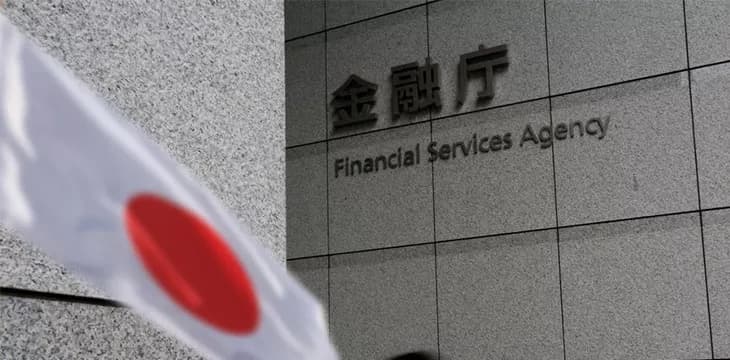
Japan Moves Toward Allowing Banks to Hold Bitcoin Amid Push for Safer Crypto Markets
Japan’s FSA plans to let banks hold Bitcoin and create a Crypto Bureau to regulate digital assets and prevent insider trading.
Japan’s Financial Services Agency (FSA) is considering a landmark reform that could allow domestic banks to trade and hold cryptocurrencies such as Bitcoin for investment purposes. The move marks a potential turning point for Japan’s financial sector, long known for its cautious approach to digital assets, as the country seeks to balance innovation with market stability.
According to sources close to the matter, the FSA plans to review existing regulations that currently restrict banks from directly acquiring crypto assets. These rules, introduced in 2020, were designed to protect financial institutions from the extreme volatility that often characterizes digital currencies. However, growing investor interest and Japan’s ambition to strengthen its position as a leader in the global crypto ecosystem have prompted regulators to reconsider.
The agency is reportedly preparing to discuss the proposal during an upcoming meeting of the Financial Services Council, an advisory body to the Prime Minister. If approved, the FSA would also consider allowing banking groups to register as cryptocurrency exchange operators, enabling them to offer digital asset trading services directly to clients.
The goal, officials say, is to build a safer and more transparent crypto market under the supervision of established financial institutions. With more than 12 million cryptocurrency accounts currently active in Japan—around 3.5 times higher than five years ago—the appetite for digital investment products is undeniable. Allowing banks to participate could bring greater trust, oversight, and accessibility to retail investors.
At the same time, the FSA intends to address one of the industry’s most persistent challenges: insider trading. The agency announced plans to submit a bill to Parliament in 2026 aimed at tightening rules around the misuse of confidential information in crypto markets. The legislation would redefine the legal framework surrounding digital assets to ensure that illicit trading activity is treated with the same severity as in traditional financial markets.
To support these reforms, the FSA also plans to establish a new Crypto Bureau next year, tasked with monitoring crypto-related risks, market conduct, and compliance. The bureau will serve as a central authority for coordinating policy and enforcement efforts across the country’s expanding digital finance sector.
Japan’s approach contrasts sharply with the laissez-faire attitude seen in some jurisdictions, where enforcement has lagged behind rapid market growth. While U.S. regulators continue to debate the classification of crypto assets, Japan appears intent on crafting a clear, enforceable structure that integrates digital assets into the traditional banking ecosystem without compromising stability.
If implemented, the proposed reforms could make Japan one of the first major economies to permit full-scale crypto participation by banks. For now, the plan reflects a broader effort to reconcile innovation with investor protection—an effort that could reshape the global conversation around the regulation of cryptocurrencies.