Hunter Biden Report Alleges Market Makers Profited Millions From LAPTOP Meme Coin's 98% Crash
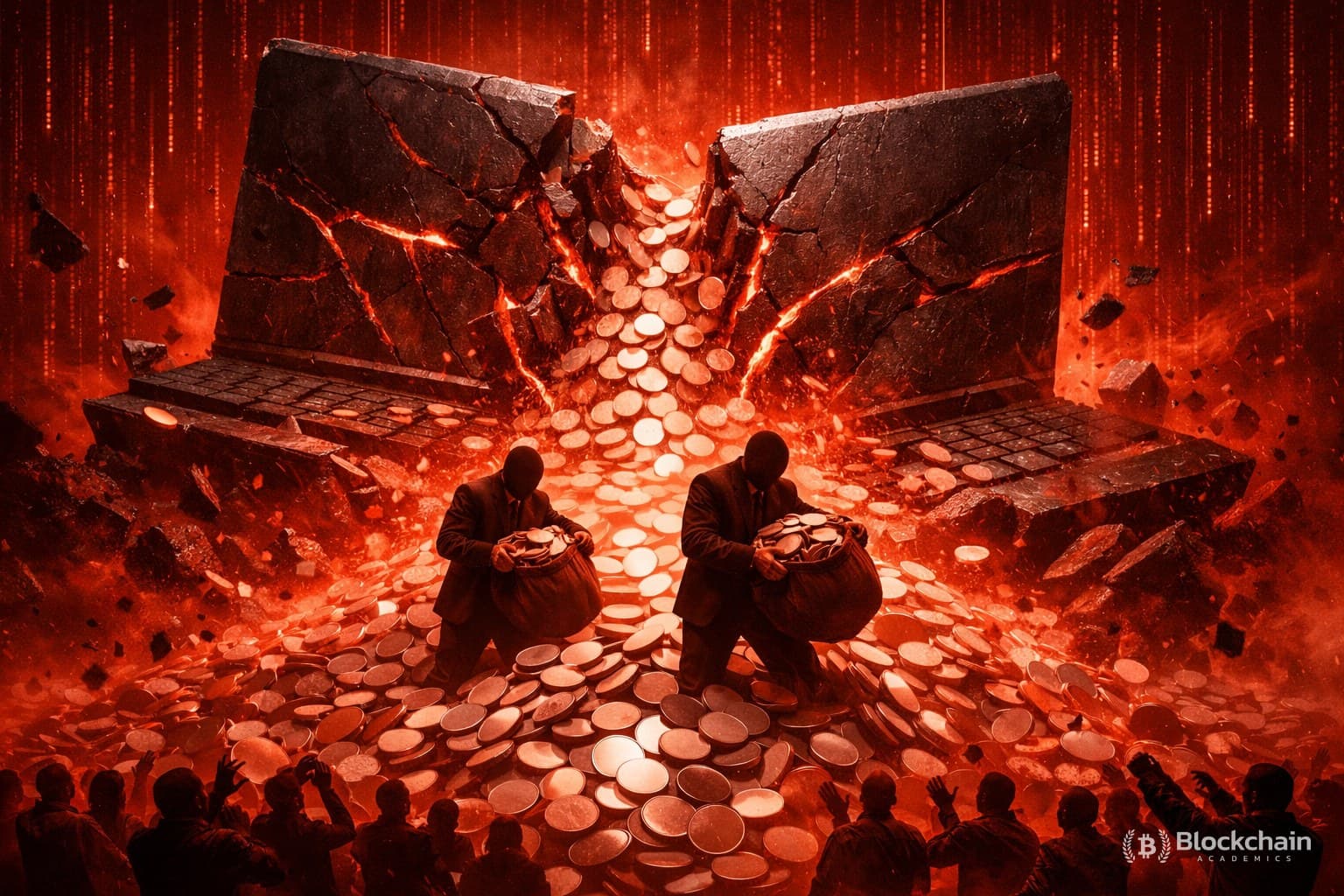
A report commissioned by Hunter Biden claims two unnamed market makers extracted millions of dollars in profit during the collapse of LAPTOP, a meme coin bearing his name, which shed 98% of its value shortly after launch.
Hunter Biden Report Alleges Market Makers Profited Millions From LAPTOP Meme Coin's 98% Crash
A report commissioned by Hunter Biden claims two unnamed market makers extracted millions of dollars in profit during the collapse of LAPTOP, a meme coin bearing his name, which shed 98% of its value shortly after launch.
The report centers on thin liquidity conditions during LAPTOP's launch window, arguing those conditions allowed market makers to profit at the expense of retail buyers who entered near the top. Biden has responded by publicly calling on the identified parties to buy back and burn their LAPTOP holdings, a demand that carries moral weight but no legal mechanism to enforce it.
The specific market makers are not named in the report. That omission is significant. Without public identification, the allegations cannot be independently verified, and it is impossible to determine whether the conduct described crosses any legal line or simply reflects aggressive but technically permissible trading behavior. Liquidity provision during volatile token launches is inherently risky, and market makers routinely argue that outsized profits on some positions offset losses on others. The unnamed nature of the accused parties also raises questions about the report's methodology and who exactly commissioned and authored it.
Still, the numbers are hard to dismiss. A 98% drawdown from launch is not a dip. For retail buyers who entered during the initial pump, that is near-total loss of capital. The pattern, thin liquidity at launch, early concentration of tokens among insiders or market makers, a sharp price spike followed by catastrophic collapse, is one that repeats across meme coin launches with uncomfortable regularity. What makes LAPTOP different is the political profile of the person now demanding accountability.
"Hunter Biden's burn request highlights the need for transparency and accountability in crypto markets, impacting market makers' reputations."
The burn request itself is worth unpacking. A token buyback and burn would reduce circulating supply, theoretically supporting the price for remaining holders. It is a gesture that sounds punitive but functions more like restitution theater: symbolic unless the market makers comply voluntarily, and there is no reason to assume they will. The broader concern the report surfaces is structural. Meme coin launches operate in a regulatory gray zone where market-making agreements, token allocations, and liquidity arrangements are rarely disclosed. Retail traders are essentially betting on price action without knowing who controls the float or what their incentives are.
The LAPTOP situation echoes earlier controversies around politically themed meme coins, including the wave of tokens launched around the 2024 U.S. election cycle, several of which saw similar launch-and-collapse patterns. What those episodes and this one share is a fundamental information asymmetry: insiders and market makers know the mechanics of the launch; retail buyers do not. That asymmetry is the actual product being sold.
Whether this report prompts any regulatory scrutiny is unclear. The CFTC and SEC have both signaled interest in meme coin manipulation cases, but enforcement actions in this space remain rare and slow-moving. For now, the report lands as a public pressure campaign, one that may damage reputations without producing refunds or legal consequences. For traders still holding LAPTOP, the math is brutal regardless of who is to blame.