Hong Kong’s $205 Million Crypto Scandal: How the JPEX Case Redefined Accountability in the Digital Era
Hong Kong charges 16 people in a $205M crypto fraud, reshaping influencer accountability and investor protection.
Hong Kong’s largest-ever cryptocurrency fraud investigation has entered a decisive stage, as authorities charged 16 individuals—including influencer and former lawyer Joseph Lam—in the $205 million JPEX crypto fraud. The charges mark a pivotal moment for the city’s evolving digital asset oversight, exposing how social media promotion and lax due diligence enabled one of Asia’s most damaging financial scams.
The JPEX platform, operating without a license, allegedly lured over 2,700 investors through deceptive advertising and endorsements that portrayed it as a legitimate exchange. Investigators say that Lam and other influencers promoted JPEX as “safe” and “regulated,” despite public warnings from Hong Kong’s Securities and Futures Commission (SFC). When withdrawals froze and the platform collapsed, thousands of investors were left with irretrievable losses.
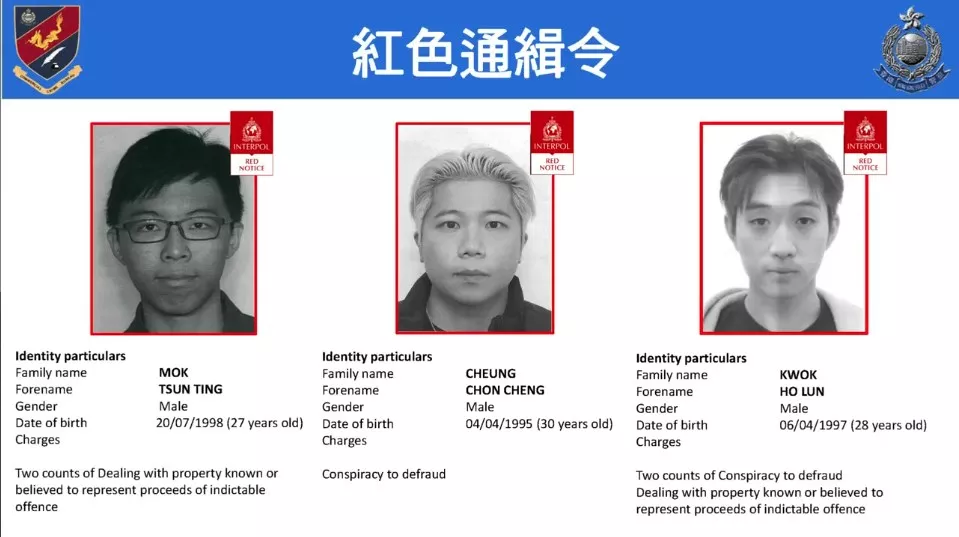
Police reports reveal that the operation was both sophisticated and deliberate. Funds were routed through retail outlets and online promoters before reaching the unlicensed exchange. Since the probe began in 2023, more than 80 arrests have been made, with approximately $28 million in assets seized. Authorities are now pursuing additional suspects through Interpol, as part of a broader crackdown on fraudulent crypto schemes.
Legal experts say the case is unprecedented not only in scale but also in its implications for influencer accountability. “Key opinion leaders who misrepresented JPEX’s regulatory status are clearly liable under Hong Kong’s Anti-Money Laundering Ordinance,” explained lawyer and Web3 Association co-chair Joshua Chu. His comments reflect a growing consensus that crypto promotion must meet the same ethical and legal standards as traditional financial advertising.
The scandal’s impact reaches beyond Hong Kong’s borders. It has prompted renewed calls for international cooperation in tracing digital assets and for stricter enforcement of disclosure rules. The episode also highlights the risks of conflating popularity with credibility—a recurring pitfall in the influencer economy. Lam’s high-profile involvement has intensified debate about the responsibilities of online personalities who blur the line between marketing and financial advice.
For investors, the lesson is clear: regulatory warnings matter. The SFC had publicly cautioned against JPEX months before its collapse, yet many users ignored those alerts, drawn by promises of extraordinary yields. In retrospect, the case serves as a stark reminder that due diligence remains the only safeguard against the illusion of quick profits.
As the investigation continues, authorities are not only seeking justice but also setting a precedent. The JPEX affair may redefine how jurisdictions approach crypto-related fraud and influencer liability. In a market still struggling to balance innovation with integrity, Hong Kong’s response could shape global standards for years to come.