Hong Kong Loosens Crypto Banking Rules to Reinforce Global Hub Ambitions
Hong Kong proposes softer Basel crypto rules for banks, aiming to boost adoption and cement its role as Asia’s crypto hub.
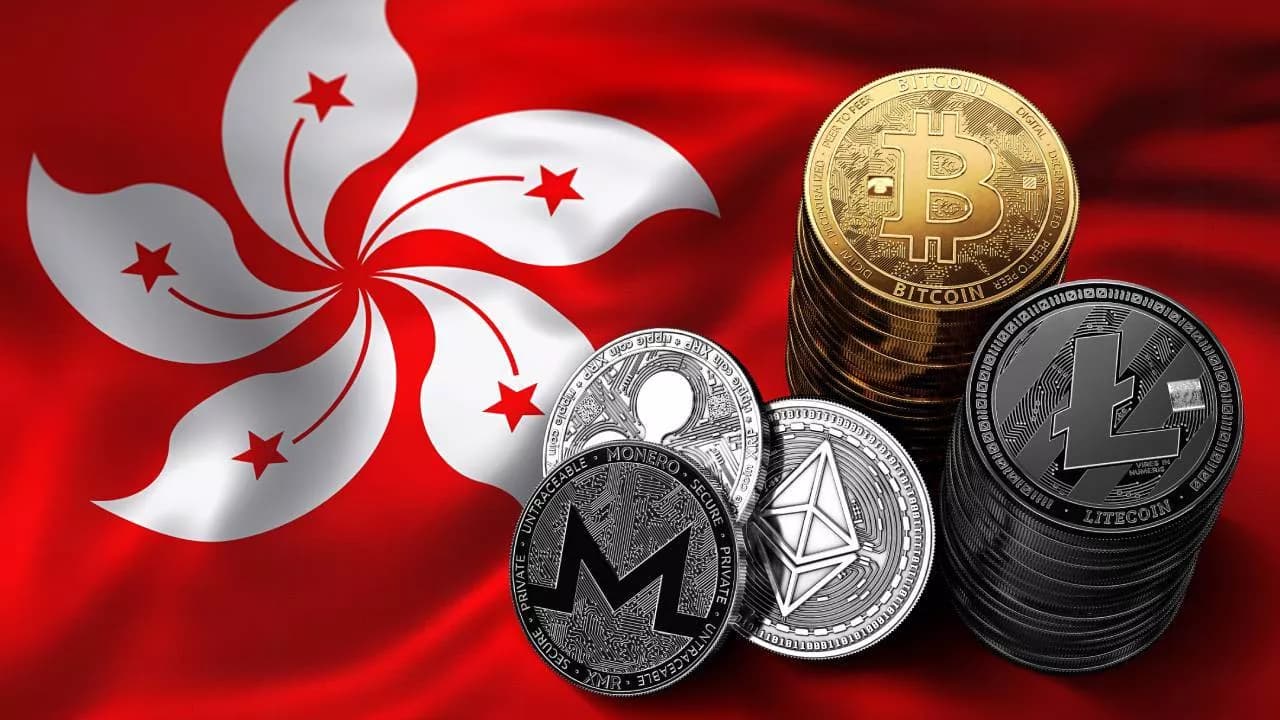
Hong Kong is moving to strengthen its role as a leading crypto hub by easing capital requirements for banks under international Basel standards. The Hong Kong Monetary Authority (HKMA) has proposed a new supervisory framework, known as CRP-1, that would give lenders more flexibility in handling digital assets such as Bitcoin and Ethereum. The draft, if adopted, would come into force ahead of the global Basel Committee on Banking Supervision rules scheduled for early 2026.
Under current Basel standards, banks must hold a dollar in capital for every dollar of exposure to volatile cryptocurrencies, a measure that critics say stifles innovation and discourages institutions from offering crypto services. CRP-1 aims to soften this approach by allowing select assets to receive more favorable treatment. By doing so, Hong Kong would ease one of the main barriers preventing local lenders from entering the market, while still maintaining oversight to prevent systemic risks.
The HKMA’s proposal reflects mounting pressure to keep pace with other jurisdictions. In the United States, regulators have already begun rolling out frameworks that make stablecoins and tokenized assets more practical for banks, especially under policies encouraged by the Trump administration. For Hong Kong, which has long positioned itself as Asia’s gateway for global finance, the risk of falling behind has pushed regulators to adopt a more pragmatic line.
The city’s regulatory shift is part of a broader strategy that extends beyond banking. Earlier this year, lawmakers passed a stablecoin bill enabling the development of Hong Kong dollar–backed tokens, a move designed to integrate digital assets more seamlessly into the local economy. Meanwhile, the Securities and Futures Commission has issued licenses to exchanges such as HashKey under its Virtual Asset Service Provider regime, creating a regulated environment for retail and institutional investors alike.
Hong Kong’s spot exchange-traded funds further underscore this momentum. According to data from SoSoValue, Bitcoin ETFs listed in the city hold nearly $493 million in net assets, while Ether ETFs have reached around $133 million. That positions Hong Kong as one of the few markets outside the U.S. offering regulated spot crypto investment products, a sign of growing institutional demand.
By softening its stance on Basel’s capital rules, Hong Kong is betting that regulatory flexibility will attract both banks and global investors to its market. Supporters argue that the framework offers a safer, more credible path for institutions to engage with digital assets while keeping enough safeguards in place to avoid the pitfalls of past failures such as JPEX and Atom Asset Exchange.
If successful, the CRP-1 policy could reinforce Hong Kong’s claim as Asia’s leading crypto hub, putting pressure on competitors in Europe and the United States to reassess their own regulatory approaches. More broadly, it would signal that the mainstream adoption of tokenized finance is no longer a distant ambition but a policy-driven reality taking shape in global markets.