Germany Enters Stablecoin Arena with EURAU, a MiCAR-Compliant Digital Euro
AllUnity launches EURAU, Germany’s first MiCAR-compliant euro stablecoin, as Europe reshapes its crypto landscape.
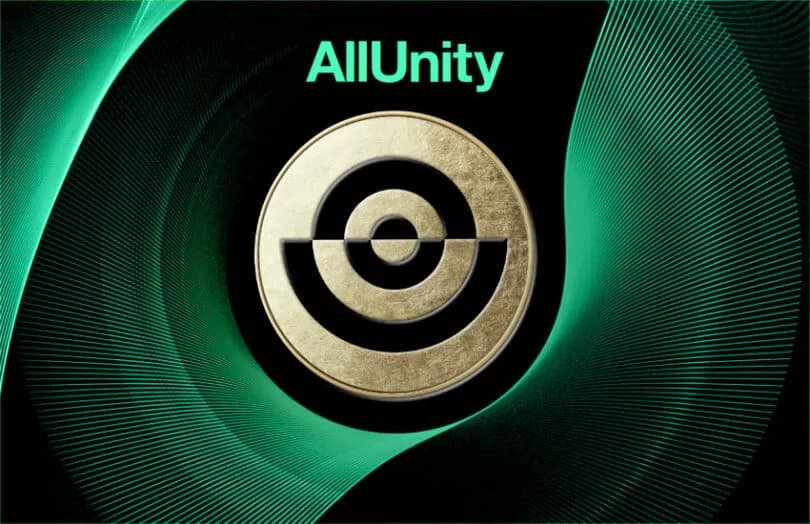
Germany has officially stepped into the regulated stablecoin race with the launch of EURAU, the country's first euro-backed token fully compliant with the European Union’s Markets in Crypto-Assets Regulation (MiCAR). Issued by AllUnity—a joint venture between DWS, Galaxy, and Flow Traders—the digital asset is designed to offer fast, transparent, and fully regulated cross-border payments in euros.
Licensed as electronic money under Germany's BaFin financial authority, EURAU is built on Ethereum and targets institutional clients, corporates, and fintechs seeking euro-denominated on-chain liquidity. At launch, it trades in BTC/EURAU and USDC/EURAU pairs on Bullish Europe, a BaFin-regulated exchange, with Flow Traders providing market-making services.
EURAU’s reserves are held across a consortium of European banks. AllUnity has committed to publishing regular proof-of-reserve reports to ensure ongoing transparency and compliance. The project is supported by notable partners including BitGo, Fireblocks, and Metzler Bank, underlining a strong institutional backing.
The move is a milestone for the EU’s ambitious MiCAR framework, which sets unified standards for crypto-assets and stablecoins across member states. EURAU’s debut signals the bloc's shift toward more controlled adoption of blockchain-based finance, especially in light of growing regulatory scrutiny over dollar-denominated stablecoins.
This regulatory transition has already prompted major changes in the stablecoin landscape. Tether, once dominant in Europe with its EURT token, has pulled back following MiCAR's early enforcement phases. EURT, which peaked at a $500 million market cap, was withdrawn in late 2024.
Meanwhile, new players are emerging. Crypto app Oobit integrated StablR’s EURR and USDR tokens—also MiCAR-compliant—built on Hadron, Tether’s new platform for real-world asset tokenization.
European policymakers see this evolution as critical. Jürgen Schaaf, senior adviser at the European Central Bank, recently warned of overdependence on U.S. dollar stablecoins, urging stronger institutional support for euro-based alternatives. “A strategic blind spot in this space could prove costly,” he cautioned in a blog post.
While the ECB continues to develop a central bank digital euro (CBDC), adoption of private euro-pegged stablecoins has remained limited. Italy’s central bank governor, Fabio Panetta, described the current circulation of such assets as “marginal” under MiCAR, underscoring the need for scalable, trusted solutions like EURAU.
As MiCAR reshapes Europe’s crypto ruleset, EURAU represents a new phase in the continent’s pursuit of financial sovereignty through blockchain technology.