Gas Fees in Blockchain: What They Are and Why They Matter
Understand what blockchain gas fees are, why we pay them, and how to reduce costs using practical strategies like Layer-2 solutions and optimal timing.
Overview
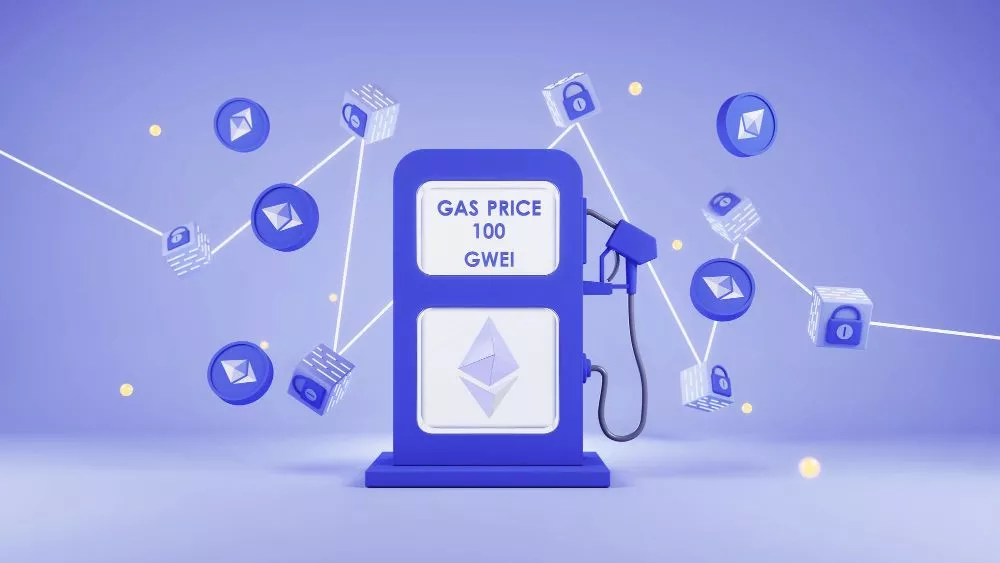
In blockchain networks, every transaction or smart contract execution requires computational resources, andgas feesare the cost paid to compensate the network participants who validate and secure these operations. Gas fees ensure the system remains secure, decentralized, and resistant to spam. They vary depending on network demand, transaction complexity, and the blockchain’s consensus mechanism. Understanding how gas fees work and learning strategies to minimize them is essential for both new and experienced crypto users, as fees can significantly impact the profitability and efficiency of blockchain transactions.
strong>/strong>
strong>/strong>
Examples
strong>/strong>
strong>/strong>
Advantages
Challenges & Limitations
strong>/strong>
strong>/strong>
Evolutionbr>Gas fee structures have evolved since Bitcoin’s launch in 2009, where fees were negligible. Ethereum introduced a more dynamic fee market, culminating in the EIP-1559 upgrade, which burns a base fee and allows users to add tips for faster inclusion. Layer-2 solutions such as Optimism, Arbitrum, and zkSync emerged to reduce costs by processing transactions off-chain before settling them on the main chain. Other innovations, like Ethereum’s planned proto-danksharding, aim to make fees even lower and more predictable.
strong>/strong>
strong>/strong>
Market Sentimentbr>The community generally sees high gas fees as a sign of blockchain demand, but excessive costs have driven users toward cheaper alternatives like Solana, Polygon, or BSC. Projects that successfully minimize gas costs often see increased adoption, particularly in DeFi and gaming. However, Ethereum remains dominant due to its ecosystem strength, even with higher fees.
strong>/strong>
strong>/strong>
Conclusionbr>Gas fees are a fundamental component of blockchain economics, balancing network security, transaction prioritization, and spam prevention. While they can be a barrier for small-scale users, understanding how they work and implementing cost-saving strategies—such as using Layer-2 solutions, choosing off-peak transaction times, and optimizing contract code—can significantly reduce expenses. In the blockchain space, mastering gas fees means making your crypto experience both more efficient and cost-effective.
By Alejandro Silva Ramírez, Crypto Analyst & Columnist
- Ethereum: Gas fees are paid in ETH, calculated ingwei, and can spike during high network activity, such as NFT minting events.
- Bitcoin: Transaction fees depend on the data size in bytes and network congestion, paid in BTC.
- Polygon: Known for low gas fees, typically a fraction of a cent, paid in MATIC.
- Binance Smart Chain (BSC): Low-cost transactions paid in BNB, popular for DeFi applications.
- Gas fees deter spam transactions, maintaining blockchain integrity.
- They reward miners or validators, incentivizing network security and stability.
- Flexible fee markets allow users to prioritize transaction speed by paying more or less.
- On some networks, fees can become prohibitively high during congestion, pricing out small transactions.
- Volatile gas costs make it hard to predict expenses for DeFi and NFT activities.
- Complex smart contracts require more computational steps, leading to higher fees.
- Lack of user knowledge can lead to overpaying for basic transactions.