Exodus and MoonPay Aim to Redefine Digital Dollars With a Self-Custody Stablecoin
Exodus and MoonPay plan to launch a self-custody US dollar stablecoin in 2026 focused on simple digital payments.
Exodus and MoonPay are preparing to enter the increasingly crowded stablecoin market with a product designed to make digital dollar payments simpler, more intuitive, and fully self-custodial. The two companies announced plans to launch a US dollar–backed stablecoin in early 2026, positioning it as a consumer-friendly alternative in a space still dominated by a handful of incumbents.
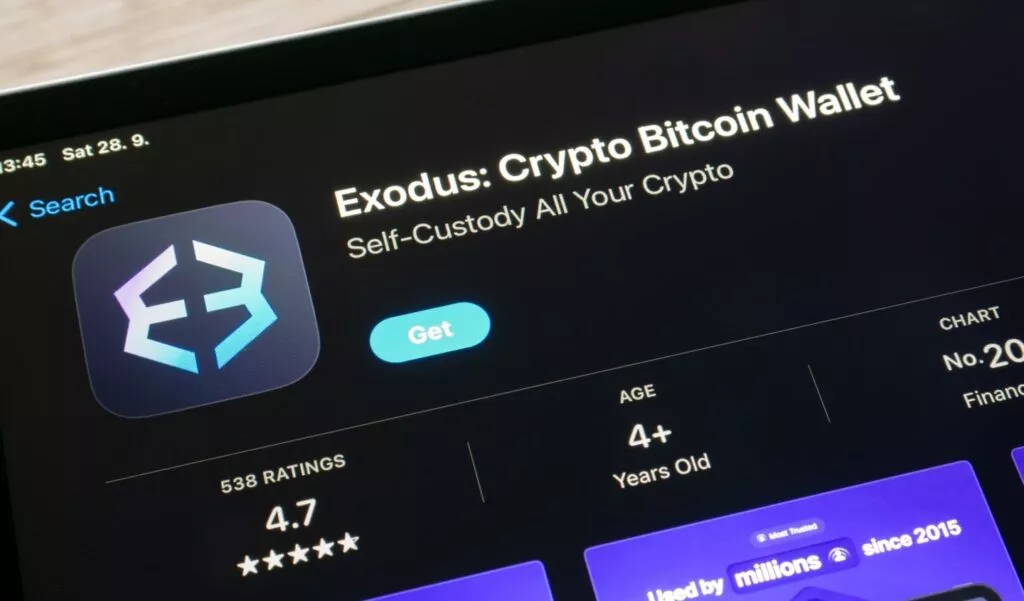
The partnership brings together two firms with complementary strengths. Exodus is best known for its non-custodial crypto wallet and user-focused design, while MoonPay has become a major player in crypto payments and fiat on-ramps. Under the agreement, MoonPay will handle issuance of the stablecoin and ensure it is fully backed by reserves, while Exodus will integrate the asset directly into its Exodus Pay platform.
The stablecoin will be built using M0, an infrastructure platform that allows companies to develop, issue, and manage their own fiat-backed digital currencies. This approach gives Exodus and MoonPay greater control over the user experience and technical features, rather than relying on third-party stablecoin issuers. For users, the promise is straightforward digital dollar payments combined with full control over their funds.
Exodus has framed the product as a response to a persistent gap in the crypto user experience. While stablecoins have become one of the most widely used tools in digital finance, particularly for payments and remittances, they often fall short of the usability standards set by mainstream consumer apps. JP Richardson, co-founder and CEO of Exodus, said stablecoins are increasingly “the easiest way for people to manage and move dollars in the digital space,” but argued that simplicity and design still lag behind expectations.
The timing of the launch is notable. Stablecoins have gained renewed momentum in the United States following the passage of the GENIUS Act in July, which established a clearer federal framework for fiat-backed stablecoins. That regulatory clarity has encouraged more companies to explore issuing their own digital dollars, shifting stablecoins further into the financial mainstream.
MoonPay moved in this direction earlier with the launch of its enterprise stablecoin initiative, aimed at businesses seeking programmable, interoperable, and customizable payment instruments. The Exodus partnership extends that strategy into the consumer space, where ease of use and trust remain decisive factors.
Despite growing competition, the stablecoin market remains heavily concentrated. Tether’s USDT controls roughly 60 percent of the total supply, valued at around $186 billion, while Circle’s USDC accounts for approximately 25 percent, or $78 billion. Together, those two tokens represent about 85 percent of a market now worth more than $310 billion. New entrants face the challenge of differentiating themselves without the scale or liquidity of these established players.
Exodus and MoonPay appear to be betting that design, integration, and self-custody can be that differentiator. By embedding the stablecoin directly into Exodus Pay and emphasizing user control, the companies are targeting consumers who want the convenience of digital dollars without surrendering custody to centralized platforms.
If successful, the launch could signal a broader shift in how stablecoins are positioned, away from being primarily institutional settlement tools and toward everyday payment instruments built around user experience. As regulatory clarity improves and competition intensifies, the stablecoin market may be entering a phase where usability, not just scale, becomes the defining battleground.