Europe Strikes at Russia’s Digital War Chest With Historic Ban on Ruble-Backed Stablecoin
The EU bans Russia’s ruble-backed stablecoin A7A5, launching its first crypto sanction amid growing digital-finance tensions.
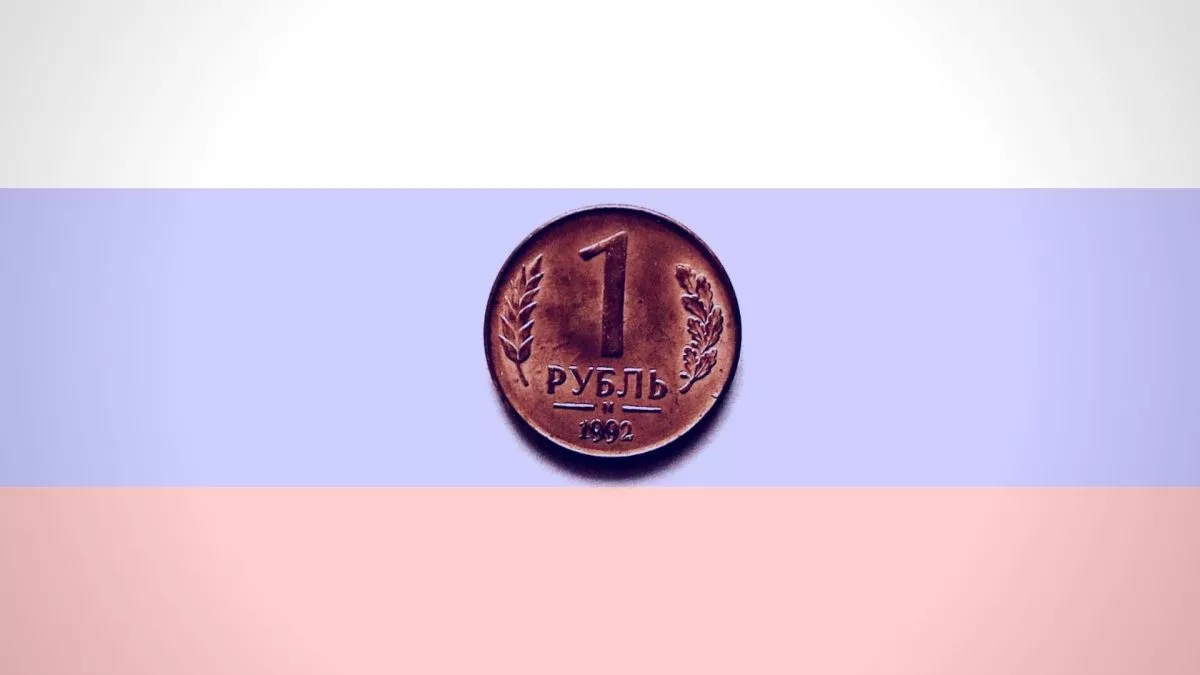
The European Union has taken its first direct step into crypto sanctions, banning the ruble-backed stablecoin A7A5 in a move that underscores the bloc’s determination to shut down Russia’s digital financing channels. The measure forms part of the EU’s nineteenth sanctions package since the invasion of Ukraine and marks the beginning of a new phase in the financial war between Brussels and Moscow.
According to the European Council, all transactions involving the A7A5 token will be prohibited across the bloc starting November 25. The coin, issued in Kyrgyzstan and backed by deposits at the Russian state-linked PSB Bank, had become a preferred tool for Russian companies seeking to bypass restrictions on international transfers and SWIFT access. EU officials described the asset as a shadow ruble system designed to sustain the Kremlin’s war economy.
Alongside the crypto ban, the package expands restrictions on major energy firms including Rosneft and Gazprom Neft, and sets a future embargo on Russian liquefied natural gas imports from 2027. Yet the symbolic impact of targeting a digital currency has drawn the most attention. EU High Representative Kaja Kallas stated that every euro denied to Moscow limits its capacity for aggression, promising that the current package would not be the last.
Before the ban, A7A5’s daily turnover reached several hundred million dollars, making it the largest non-dollar stablecoin in Eurasia. European regulators warned that such assets allow sanctioned states to build parallel payment infrastructures that erode the influence of both the euro and the dollar. Analysts from TRM Labs reported that one-third of illicit crypto flows in 2024 were linked to sanctioned entities, with Russian exchanges such as Garantex playing a central role in the network.
Moscow’s reaction has been swift. The Russian Finance Ministry announced plans to legalize crypto for cross-border payments while tightening domestic restrictions under new anti-money-laundering and identity-verification rules. Finance Minister Anton Siluanov argued that the goal is to restore order to digital transactions while maintaining the state’s ability to operate internationally.
Industry experts see the EU’s action as part of a broader struggle to define the role of stablecoins in global finance. Alex Treece, CEO of Stablecore, told BeInCrypto that dollar-pegged tokens have already evolved into a modern Eurodollar system supporting USD flows beyond traditional banks. He noted that such assets now represent almost eight percent of GDP-level transactions in emerging markets, putting pressure on European policymakers to accelerate the creation of a MiCA-compliant euro token.
By expanding sanctions from energy cargoes to digital ledgers, the European Union is signaling that no part of Russia’s financial architecture, physical or virtual, is beyond reach. The decision to target A7A5 may prove as consequential for global crypto regulation as it is for the future of economic warfare.