Europe Strikes a Major Blow Against Crypto Laundering Networks With Takedown of Cryptomixer
Europol dismantles major crypto mixer Cryptomixer, seizing $29M in bitcoin and key servers used for laundering illicit funds.
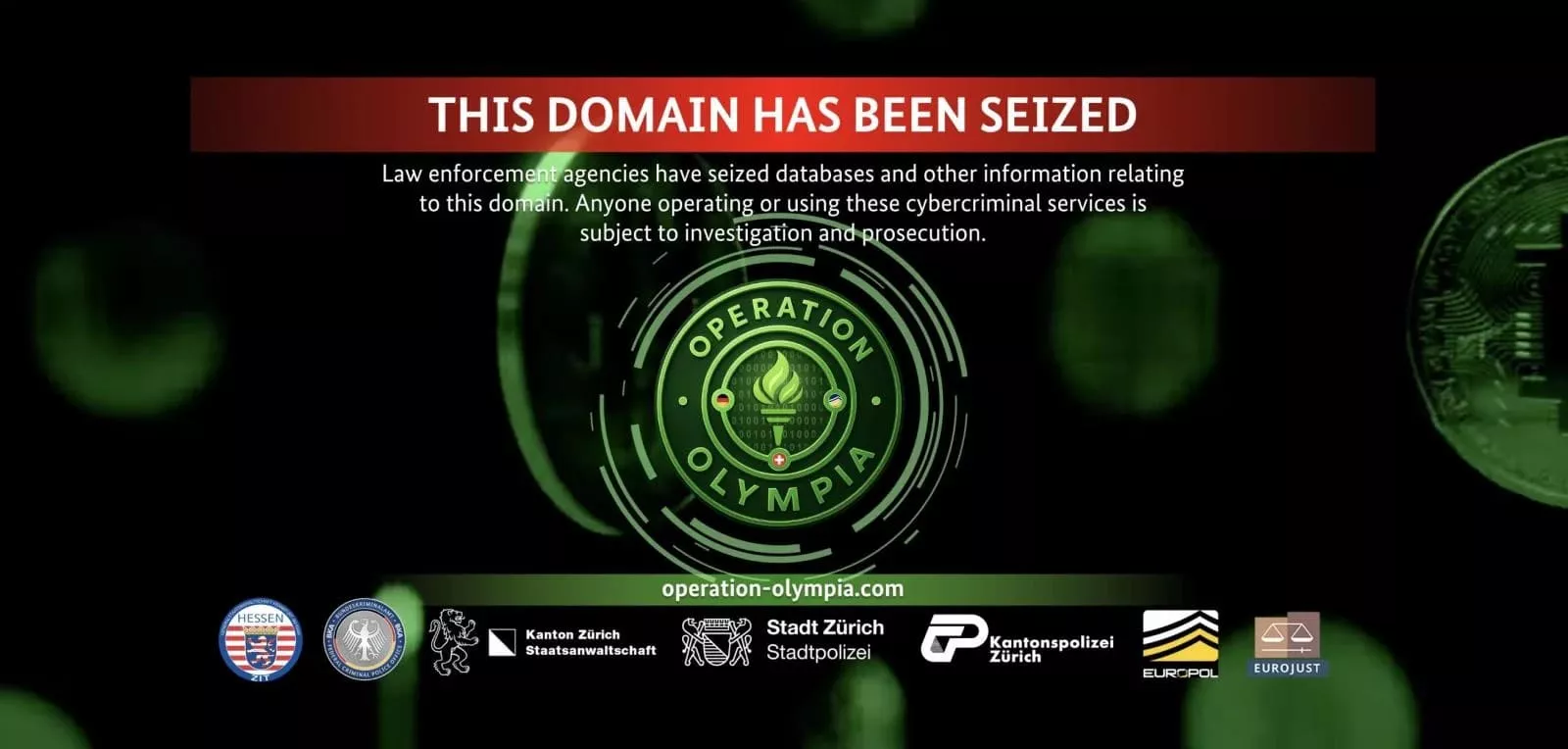
European authorities have intensified their campaign against illicit cryptocurrency activity with the dismantling of Cryptomixer, a major bitcoin-blending platform long linked to cybercriminal groups. Europol announced that coordinated operations in Switzerland and Germany resulted in the seizure of the service’s infrastructure, including three servers, its website, more than $29 million in bitcoin, and over 12 terabytes of operational data—an unusually large trove that investigators say could unlock valuable insights into years of criminal transactions.
Launched in 2016, Cryptomixer had grown into one of the world’s largest crypto-mixing services. Mixers function by pooling bitcoin deposits from numerous users and redistributing them in fragmented, randomized payments designed to obscure the origin and destination of funds. According to Europol, Cryptomixer processed more than €1.3 billion, or around $1.5 billion, during its nine-year operation. Investigators believe that the majority of those transactions were tied to illegal marketplaces, ransomware gangs, online fraud rings, and trafficking networks seeking to mask illicit profits.
Authorities said the service operated seamlessly across both the open internet and the dark web. Its purpose-built architecture made tracing cryptocurrency movements extraordinarily difficult, enabling criminals to launder funds linked to drug and weapons sales, hacked payment-card data, and the proceeds of cyber intrusions. Typical user behavior involved depositing funds into the mixer for randomized holding periods before receiving redistributed bitcoin into freshly generated wallets. These so-called “clean” funds often moved next to exchanges, cash-out services, or bank accounts—steps that effectively completed the laundering cycle.
The takedown represents another escalation in Europe’s enforcement strategy against crypto-anonymity tools frequently used by cybercriminals. It follows a series of recent operations targeting similar platforms. Earlier this year, German authorities seized infrastructure tied to eXch, capturing more than $30 million in digital currency. In a separate effort last year, German and U.S. investigators jointly took down servers linked to ChipMixer, confiscating roughly $46.5 million in bitcoin and disrupting what had been one of the most widely used laundering hubs on the dark web.
These enforcement actions align with broader international efforts to curb the misuse of crypto-mixing technology. The U.S. Treasury Department has already imposed sanctions on several services, including Blender.io in 2022 and Tornado Cash later that same year, arguing that mixers have become critical enablers for ransomware operators, state-sponsored hacking groups, and transnational criminal organizations. Regulators contend that while some users may seek privacy protections, the overwhelming share of mixing activity is tied to concealing illicit financial flows.
Europol emphasized that the seizure of Cryptomixer’s servers and data is expected to fuel further investigations. Analysts say the 12 terabytes of recovered information could help unravel the financial networks of cybercrime groups that relied on the mixer to obscure their operations. As European agencies continue to broaden their digital forensics capabilities, the takedown illustrates how law enforcement is increasingly able to penetrate services once considered resistant to traditional investigative methods.
The dismantling of Cryptomixer sends a clear message: European authorities are prepared to systematically dismantle the infrastructure that sustains cybercriminal economies. For investigators, the operation marks a significant victory in the long-running effort to limit anonymity tools that enable large-scale financial crime.