El Salvador Reinforces Bitcoin Security Amid Quantum Computing Concerns
El Salvador splits Bitcoin reserves across 14 wallets to guard against future quantum computing threats.
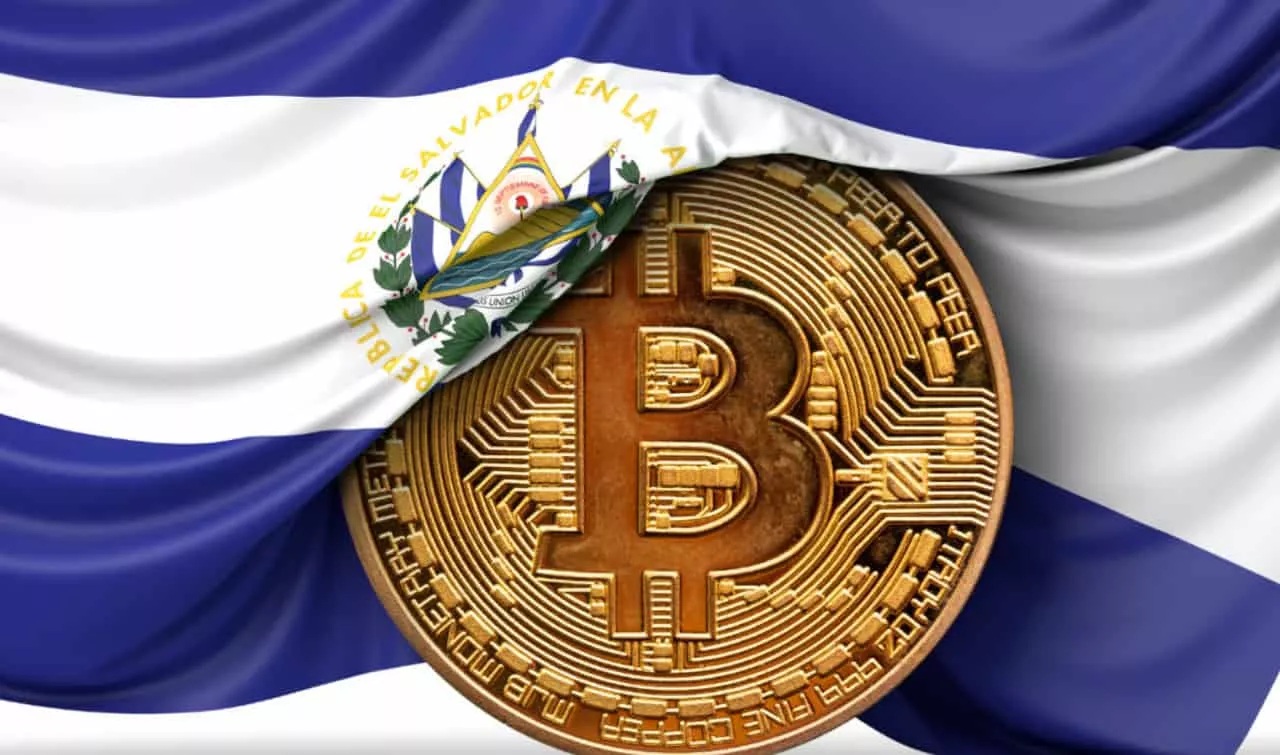
El Salvador, the first country to recognize Bitcoin as legal tender, has quietly reshaped how it safeguards its national cryptocurrency reserves. In a strategic move, the government’s National Bitcoin Office (ONBTC) transferred the entirety of its Bitcoin holdings from a single digital wallet into 14 separate addresses — a measure officials described as a defense against the emerging risks of quantum computing.
The Central American nation currently holds over 6,283 BTC, valued at approximately $682 million. According to ONBTC, dividing the funds into smaller allocations strengthens resilience by reducing the potential fallout should quantum computers ever become capable of breaching the cryptographic protections underpinning Bitcoin transactions.
“By splitting funds into smaller amounts, the impact of a potential quantum attack is minimized,” ONBTC explained in a statement on X, noting that each new address stores a maximum of 500 BTC.
The concern is rooted in Shor’s algorithm — a mathematical breakthrough that, in theory, could allow quantum machines to unravel the cryptographic keys that secure Bitcoin, as well as those used across global banking, email, and secure communications. Once a Bitcoin transaction is signed and broadcast, the corresponding public key becomes visible on the blockchain, potentially exposing it to attack before final confirmation.
Crypto pioneer Adam Back, CEO of Blockstream, noted that the decision aligns with long-standing best practices in Bitcoin storage. “It’s generally a good practice to store in multiple UTXOs rather than a single address,” he said, referencing the practice of dispersing funds across multiple unspent outputs to reduce systemic risks.
Quantum vulnerability has long been a topic of speculation in the cryptocurrency space, but anxiety intensified earlier this year when Google announced “Willow,” a quantum supercomputer it claimed could complete highly complex tasks within minutes. Although the company did not demonstrate direct cryptographic breakthroughs, the development reignited debate over how soon quantum technology might outpace blockchain security.
Some blockchain developers have already begun preparing defenses. Solana recently unveiled a quantum-resistant vault leveraging decades-old cryptographic techniques, while Ethereum co-founder Vitalik Buterin floated the possibility of blockchain forks to strengthen resilience.
Yet not everyone shares the sense of urgency. Michael Saylor, executive chairman of MicroStrategy and a prominent Bitcoin advocate, dismissed the notion that quantum computing poses an imminent existential threat. “It’s mainly marketing from people that want to sell you the next quantum yo-yo token,” Saylor told CNBC earlier this year, arguing that governments and major tech firms would never release technology capable of undermining global financial security.
For El Salvador, the decision to redistribute Bitcoin holdings appears less a reaction to imminent danger and more a pragmatic step toward long-term resilience. While quantum computing remains in its experimental stage, the move underscores the growing intersection between national economic strategies and technological frontiers.
Whether quantum breakthroughs will truly challenge Bitcoin’s cryptographic foundations remains uncertain. What is clear, however, is that governments like El Salvador’s are no longer willing to wait for the threat to materialize before shoring up their defenses.