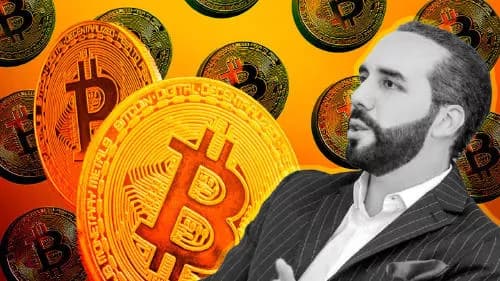
El Salvador Marks Bitcoin Day with Symbolic 21 BTC Purchase as Reserves Surpass $700M
El Salvador buys 21 BTC for Bitcoin Day, lifting reserves to $701M despite IMF loan conditions requiring a halt to accumulation.
El Salvador has once again made headlines in the global crypto sphere, purchasing 21 bitcoin on September 7 to commemorate the fourth anniversary of its Bitcoin Law. The symbolic acquisition reflects the cryptocurrency’s fixed supply of 21 million coins and underscores the government’s ongoing strategy of accumulation, even as international lenders press for restraint.
President Nayib Bukele confirmed the purchase through the country’s Bitcoin Office, noting that the government continues to add to its reserves despite mounting tensions with the International Monetary Fund. Since March of last year, El Salvador has consistently bought one bitcoin per day, steadily building one of the world’s largest sovereign holdings. Current figures show that the country now controls 6,313.18 BTC, valued at approximately $701 million.
The Bitcoin Law, enacted in 2021, made El Salvador the first nation to adopt bitcoin as legal tender alongside the U.S. dollar. Advocates argued that the measure would promote financial inclusion and reduce reliance on costly remittance channels. Critics, however, warned that the decision exposed the country to severe volatility risks and undermined fiscal stability. The move was also criticized for running counter to the decentralized ethos of cryptocurrency, since implementation came through top-down state decree.
While the latest purchase is modest in dollar terms, its political implications are far more significant. In December 2024, El Salvador finalized a $1.4 billion Extended Fund Facility with the IMF, which included a commitment to freeze bitcoin acquisitions by public entities. The agreement required revisions to the Bitcoin Law to make merchant acceptance voluntary, the liquidation of the Fidebitcoin trust, and the government’s withdrawal from the Chivo wallet program. Continued purchases, therefore, put the government at odds with compliance benchmarks that determine the release of future IMF disbursements through 2027.
Beyond its buying strategy, El Salvador has also taken steps to secure its national reserve. Last month, the Bitcoin Office redistributed its holdings into multiple addresses, each capped at roughly 500 BTC. Officials justified the move as part of a broader initiative to protect assets against potential threats posed by advances in quantum computing. A public dashboard was released to provide transparency into the new custodial structure.
Despite concerns, El Salvador’s bitcoin experiment has so far yielded substantial gains. According to an IMF report from March, the government has spent an estimated $300 million on bitcoin purchases since 2021. At current valuations, those holdings reflect more than $400 million in unrealized profit, bolstering the argument of supporters who frame the strategy as a bold, forward-looking bet.
El Salvador now sits among the largest sovereign holders of bitcoin, surpassing other nations that have experimented with mining-backed programs rather than outright accumulation. Whether this approach represents prudent diversification or fiscal risk remains hotly debated, but the country continues to press forward, reinforcing its identity as the first state to integrate bitcoin into its financial framework.