El Salvador Deepens Its Bitcoin Bet as Markets Reel and Global Scrutiny Mounts
El Salvador buys $100M in Bitcoin during a major market drop, intensifying its BTC strategy despite IMF scrutiny and rising regional influence.
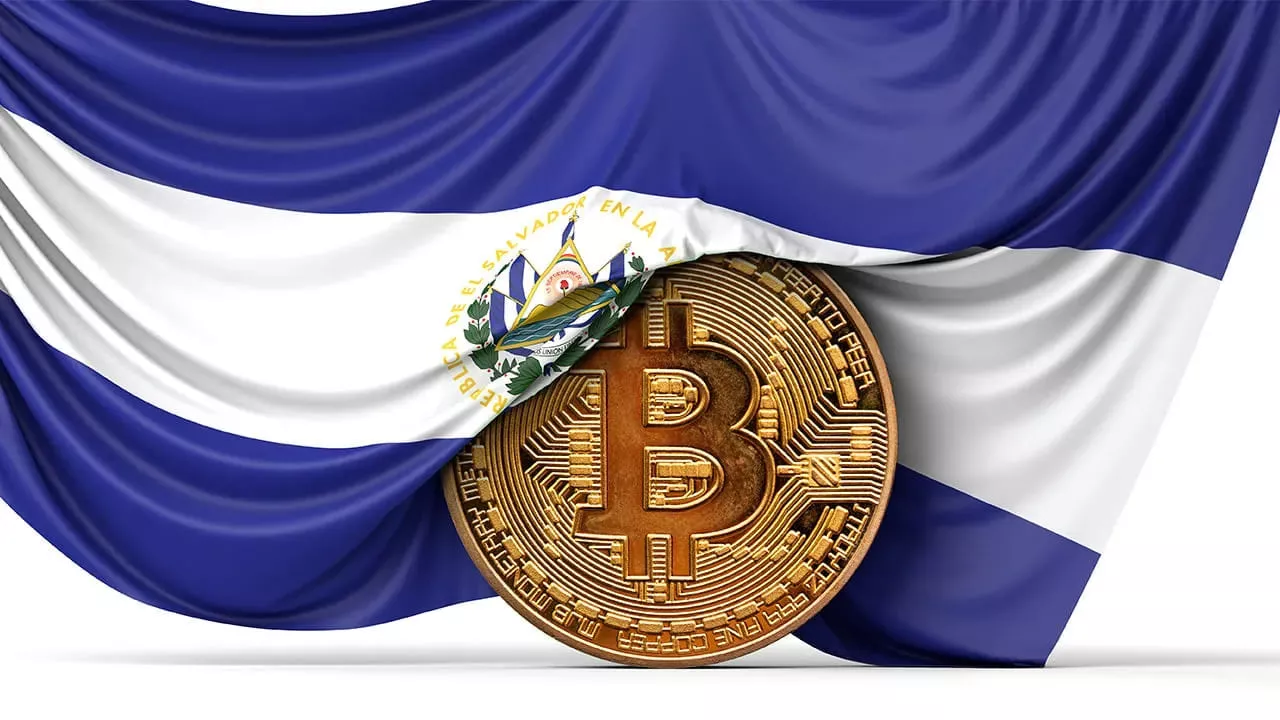
El Salvador has once again demonstrated its willingness to lean into volatility rather than retreat from it, purchasing more than 1,000 Bitcoin during one of the sharpest downturns of the year. The acquisition, valued at roughly $100 million, came as the cryptocurrency briefly slipped under the $90,000 threshold, a moment many investors saw as a sign of broader market fragility. For the Salvadoran government, however, the dip became another opportunity to accelerate a national strategy that has defined its international reputation since adopting Bitcoin as legal tender in 2021.
According to the country’s Bitcoin Office, the latest buy pushes El Salvador’s total holdings to an estimated 7,500 BTC. President Nayib Bukele, who has long framed Bitcoin accumulation as a cornerstone of economic sovereignty, shared a screenshot of the transaction on his social platform, reiterating that his administration has no intention of slowing purchases. The scale of this acquisition marks the largest single-day increase the government has publicly acknowledged since inaugurating its dollar-cost-averaging initiative and adds new weight to the president’s pledge of continuous accumulation.
However, the announcement has reignited longstanding questions about transparency and compliance. The IMF’s $1.4 billion loan agreement explicitly instructs the public sector not to acquire additional Bitcoin, and top Salvadoran officials previously insisted that no new BTC had been added to government reserves since February. An IMF report later suggested that reported increases in holdings might reflect internal wallet transfers rather than fresh market purchases. Yet the Bitcoin Office continues to dispute that account, asserting that the government is conducting real acquisitions and pointing to on-chain data as evidence.
The policy contradictions arrive during a period of heightened cooperation between San Salvador and Washington on digital-asset matters. Earlier this year, President Bukele met with Bo Hines, the executive director of the White House’s Presidential Council of Advisers for Digital Assets. While details of the meeting were not disclosed, the encounter underscored the geopolitical relevance of El Salvador’s Bitcoin experiment at a time when U.S. agencies are shaping their own national approach to digital currencies.
Beyond its domestic accumulation strategy, El Salvador is expanding its influence across Latin America. In July, the Central Bank of Bolivia signed a memorandum of understanding with El Salvador’s National Commission for Digital Assets. The agreement establishes a framework for shared regulatory expertise, risk-assessment tools, and blockchain analytics—a notable development for Bolivia, which has been refining its own digital-asset regime following Decree 082/2024. For El Salvador, the partnership reinforces its claim to regional leadership in crypto oversight, backed by several years of experience regulating, acquiring, and even mining BTC.
The latest purchase showcases the government’s willingness to withstand economic criticism, market turbulence, and international pressure in pursuit of its Bitcoin-first strategy. As global markets digest the effects of the recent downturn, El Salvador’s renewed commitment signals that the administration views volatility not as a risk to avoid, but as a catalyst for deepening its financial experiment.