Democrats Push Back Against GOP’s Pro-Crypto Bills in High-Stakes Congressional Clash
Democrats launch “Anti-Crypto Corruption Week” to counter GOP bills they say benefit Trump and weaken crypto oversight.
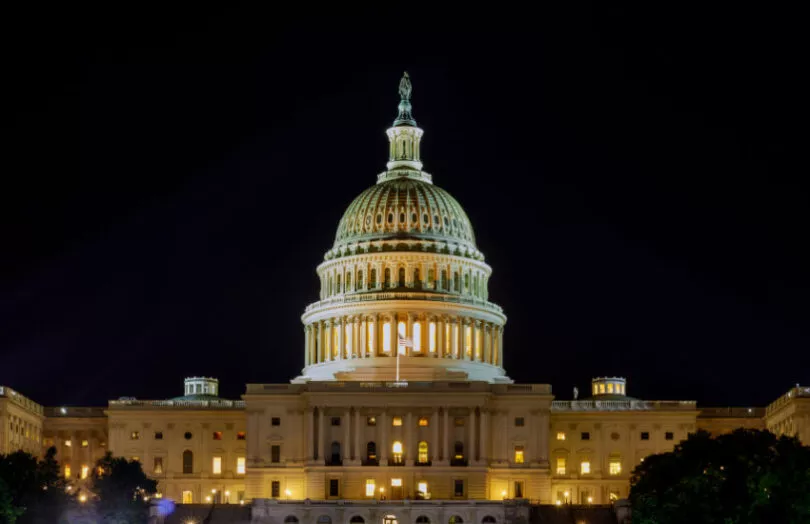
The ideological battle over digital assets reached new intensity this week as House Democrats, led by Representatives Maxine Waters and Stephen Lynch, launched “Anti-Crypto Corruption Week.” The move directly challenges a trio of Republican-backed bills that Democrats argue would gut consumer protections and open the door to politically connected crypto profiteering—allegedly benefiting former President Donald Trump.
The contested legislation includes the CLARITY Act, the GENIUS Act, and the Anti-CBDC Surveillance State Act—each framed by GOP leaders as promoting innovation and individual freedom. However, Democrats warn these bills strip away essential regulatory safeguards, inviting misconduct and undermining national financial security.
“This legislation is not about innovation—it’s about enabling Trump’s crypto corruption,” said Waters, the ranking Democrat on the House Financial Services Committee. She cited reports that Trump has profited over $1.2 billion from crypto-related ventures, leveraging political influence in the process.
According to Waters, fast-tracking these bills without robust oversight mechanisms sends a dangerous signal: that financial technologies can evolve outside the bounds of accountability. She warned that deregulation of this magnitude paves the way for fraud and political enrichment.
Representative Stephen Lynch, who leads the Democratic minority on the Subcommittee on Digital Assets, echoed those concerns with an added layer of geopolitical urgency. He claimed that Trump’s crypto enterprises have received substantial foreign investment, potentially compromising U.S. policy autonomy.
“These bills don’t just risk financial instability—they invite foreign-influenced vulnerabilities into the heart of our digital economy,” said Lynch. He specifically criticized the Anti-CBDC bill for undermining federal research into central bank digital currencies, which he argued is essential to maintaining U.S. competitiveness and regulatory control in an increasingly tokenized global market.
While the GOP frames the bills as bulwarks against surveillance and government overreach, Democrats view them as Trojan horses—strategically crafted to deregulate in ways that favor private actors with political ties. Waters and Lynch are rallying their caucus to block the legislation and preserve what they describe as the pillars of a secure, transparent, and equitable financial system.
This partisan standoff reveals deeper fractures in how each party envisions the future of digital finance. For Democrats, the path forward must balance innovation with accountability. For Republicans, the emphasis lies in limiting government interference. With both sides now publicly mobilized, the fate of U.S. crypto legislation could hang on the outcomes of these ideological showdowns.