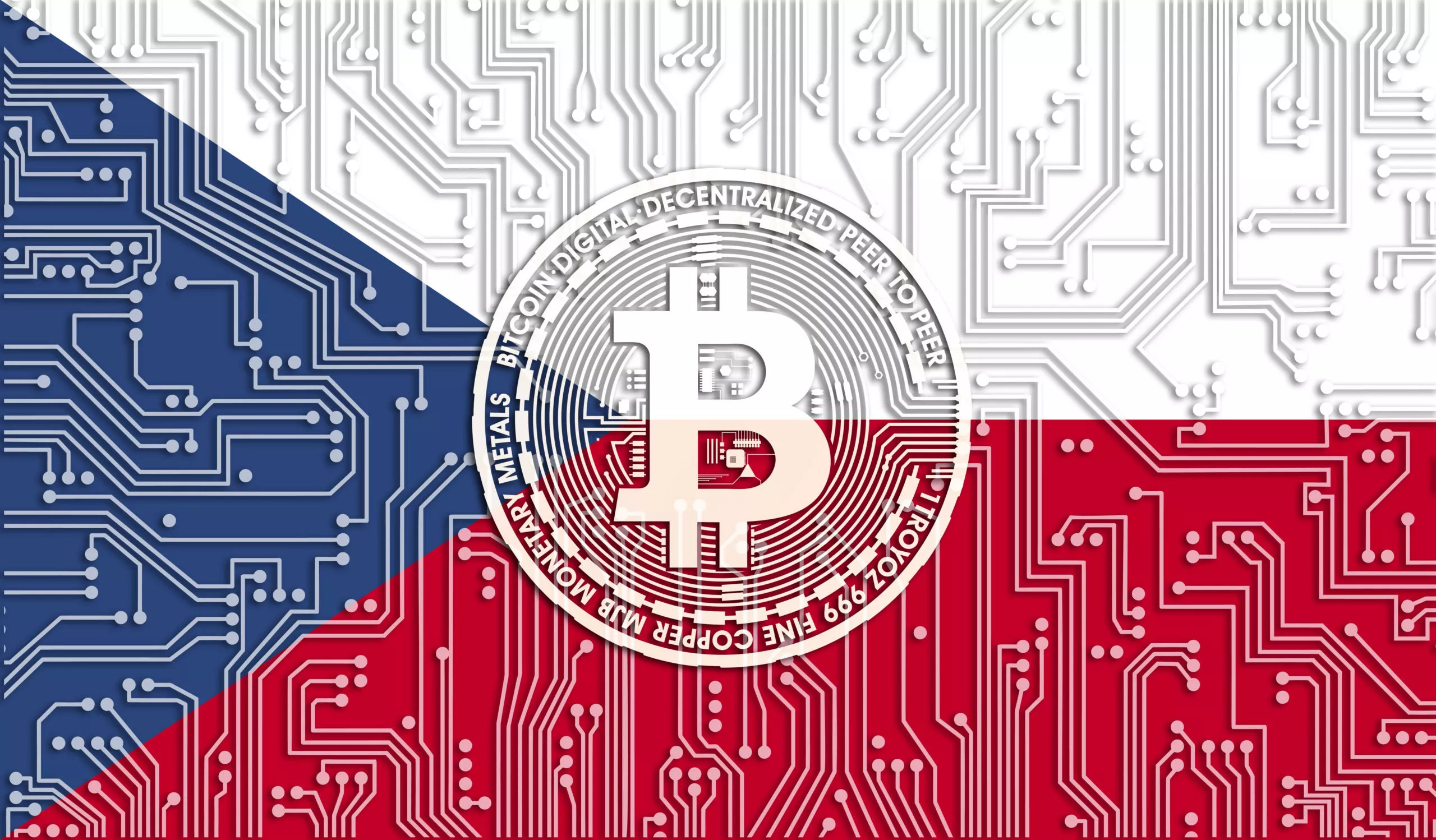
Czech Central Bank Enters the Digital Era with a Bitcoin Test Portfolio
Czech National Bank becomes first to hold Bitcoin, launching a $1M pilot to test digital assets and tokenized deposits.
The Czech National Bank has taken a historic step into the digital asset arena, becoming the first central bank to hold Bitcoin as part of its balance sheet. In a cautious but symbolic move, the CNB announced a $1 million test portfolio on Thursday that includes Bitcoin, a U.S. dollar-pegged stablecoin, a tokenized deposit, and shares of Coinbase.
Approved by the bank’s board on October 30, the pilot marks the first formal exposure of a European monetary authority to cryptocurrencies. According to the CNB, the project is not a diversification of its international reserves but rather a limited experiment aimed at building institutional knowledge of blockchain-based instruments. “The goal is to give our teams practical experience with digital assets and their operational frameworks,” the bank said in its statement.
CNB Governor Aleš Michl first floated the idea of holding Bitcoin earlier this year, sparking debate within the European Central Bank system. While the ECB discouraged direct exposure to crypto, the Czech Republic’s decision underscores its operational independence within the European Union, as the country remains outside the eurozone.
The pilot portfolio reflects a broader curiosity among central banks about the potential role of tokenized assets in monetary and financial operations. The inclusion of Bitcoin, alongside a stablecoin and a tokenized Czech deposit, suggests the CNB is testing how digital instruments might interact with existing payment systems and reserve management practices.
In parallel, the CNB has launched its “Innovation Hub,” a dedicated lab exploring blockchain applications in monetary policy, financial stability, and retail payments. The initiative places the Czech Republic among a small but growing group of nations where monetary authorities are experimenting with crypto infrastructure firsthand.
Governor Michl said the project would evaluate Bitcoin’s suitability as a reserve diversification tool and examine how tokenized financial instruments could enhance transparency and efficiency in domestic markets. Earlier proposals to acquire larger Bitcoin holdings were rejected by the CNB board, signaling a deliberately conservative approach focused on research rather than investment.
The move coincides with the Czech Republic’s adoption of new cryptocurrency legislation aligned with the EU’s Markets in Crypto-Assets (MiCA) framework. The law clarifies taxation, compliance, and banking access for licensed crypto firms, aiming to create a stable environment for blockchain innovation within the EU.
While the CNB insists its digital asset experiment is temporary, its implications reach far beyond Prague. A central bank directly holding Bitcoin—even in a limited pilot—marks a psychological turning point for traditional finance. It reflects a growing recognition that digital assets are no longer speculative novelties but instruments worth understanding at the highest institutional level.
If successful, the Czech experiment could influence other mid-sized European economies to follow suit, potentially accelerating the integration of blockchain into monetary operations. For now, the world’s oldest financial institutions are finally testing the future of money, one Bitcoin at a time.