Chain Abstraction: The Invisible Infrastructure Powering the Future of Web3
Chain abstraction aims to eliminate blockchain complexity, enabling seamless Web3 interaction across chains through smart wallets, intents, and middleware.
Overview
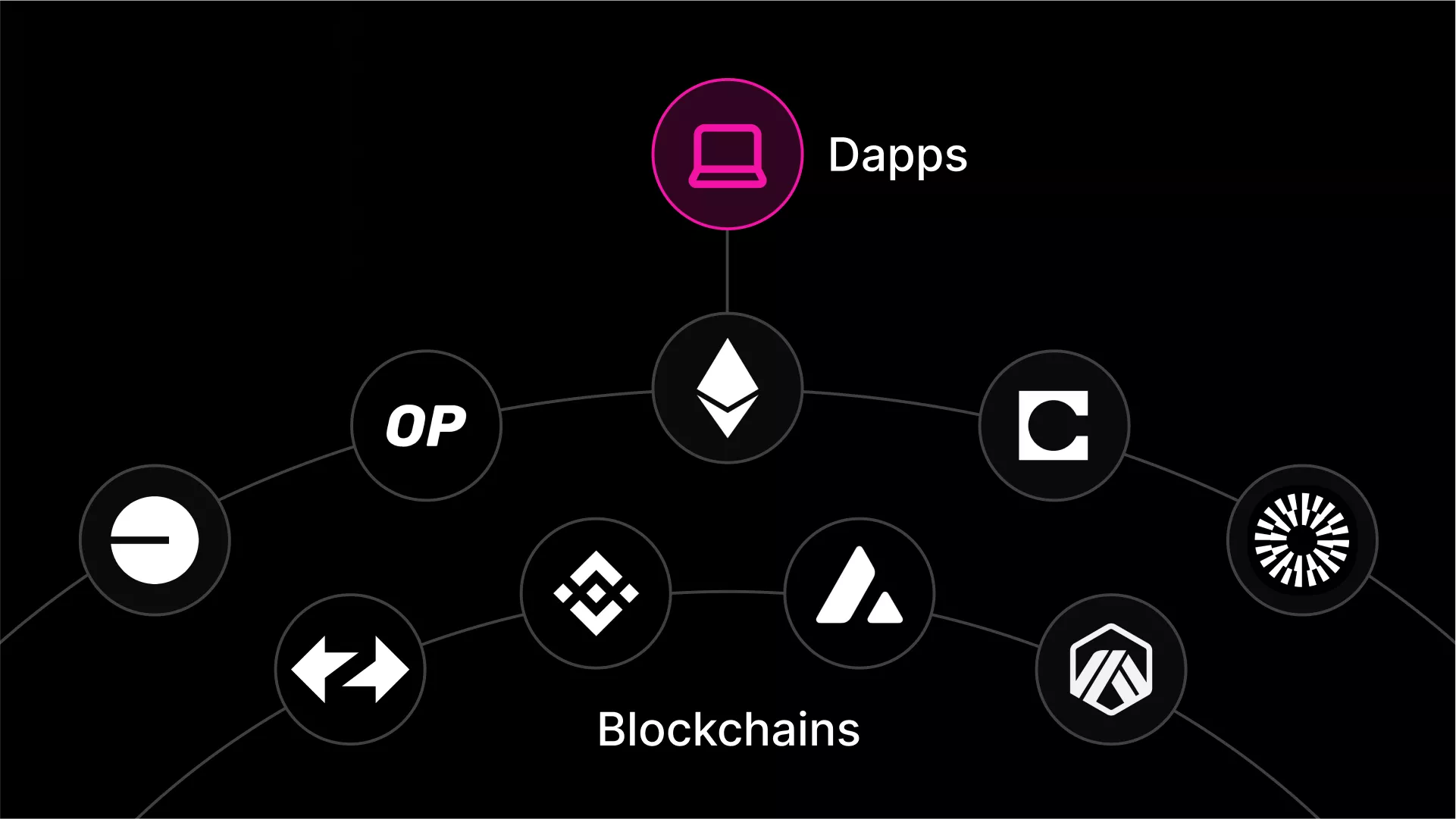
Chain abstraction is emerging as one of the most important evolutions in the blockchain ecosystem. It refers to the decoupling of user experience from the underlying blockchain infrastructure, allowing users and developers to interact with decentralized applications (dApps) without needing to know which chain they are using. This paradigm aims to eliminate fragmentation across chains and drastically improve usability in Web3.
Instead of forcing users to switch networks, manage native gas tokens, or worry about cross-chain compatibility, chain abstraction enables seamless access to services regardless of the Layer 1 or Layer 2 backend. The ultimate goal is to make blockchain interaction as intuitive and invisible as the internet itself.
strong>/strong>
strong>/strong>
Key Features & Use Cases
Cross-chain DeFi platforms/li>li>Chain-agnostic gaming ecosystems/li>li>Institutional apps requiring seamless backend/li>li>Consumer apps with non-crypto-native audiences/li>/ul>/li>/ul>p>strong>/strong>
strong>/strong>
Architecture & Mechanism
Chain abstraction is not a single technology but a layered stack of solutions. It typically includes:
These components work together to create a system where users no longer interact with blockchains directly but with services that operate across them.
strong>/strong>
strong>/strong>
Challenges & Limitations
strong>/strong>
strong>/strong>
Market Sentiment & Adoption
The concept of chain abstraction is gaining traction among developers and infrastructure builders. Projects like Stack, Connext, Anoma, and zkRouter are actively developing frameworks that embrace this model. Meanwhile, consumer-facing apps increasingly seek simplified onboarding paths, especially for non-technical users.
While still early, the demand for seamless UX is accelerating adoption. Venture funding is flowing into startups building middleware and wallets that embody chain abstraction principles. Major L2 ecosystems and interoperability providers are also pivoting toward chain-agnostic strategies.
/p>p>
Conclusion
Chain abstraction is not merely a technical improvement—it’s a philosophical shift. It represents the transition from blockchain as an exposed infrastructure to blockchain as an invisible backend, mirroring the evolution of the internet itself. If executed correctly, it could be the key that unlocks mass adoption in Web3 by hiding complexity and delivering intuitive, frictionless experiences. The builders of this invisible layer may become the architects of the next era of decentralized applications.
/p>p>
By Alejandro Silva Ramírez, Crypto Analyst & Columnist
- Unified UX: Users can sign, transact, and interact with any dApp without managing chains, wallets, or gas fees manually.
- Interoperability by Design: Applications become chain-agnostic, meaning developers build once and deploy everywhere.
- Account Abstraction Integration: Combined with smart wallets and intent-based architecture, chain abstraction allows for fully automated and simplified user flows.
- Use Cases:/p>ul>li>p>Cross-chain DeFi platforms
- Chain-agnostic gaming ecosystems
- Institutional apps requiring seamless backend
- Consumer apps with non-crypto-native audiences
- Interoperability Protocols: Solutions like LayerZero, Axelar, and Wormhole enable cross-chain messaging.
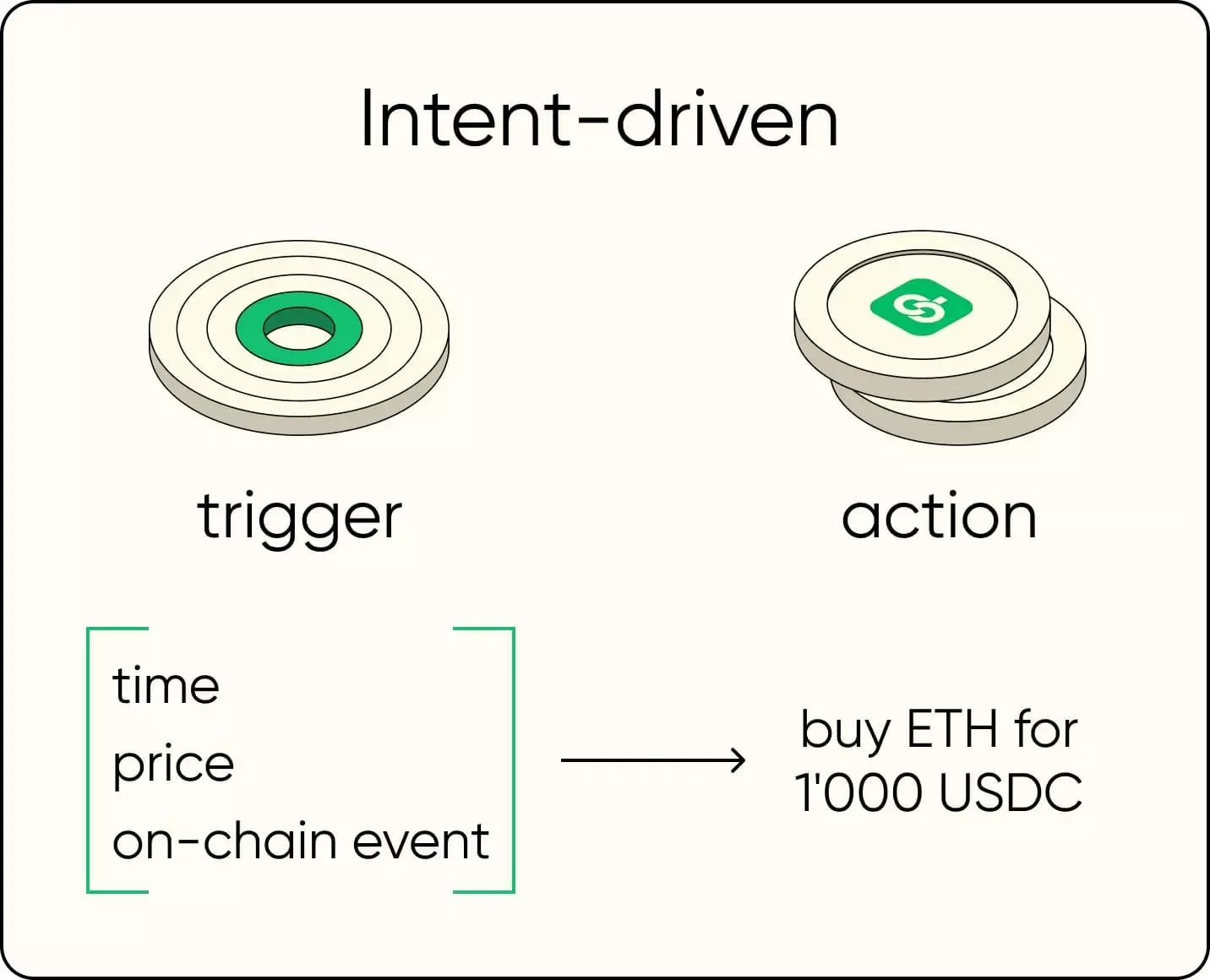
- Intent-Based Execution: Users submit what they want (intent), and solvers handle the routing and execution across chains.
- Smart Wallets: Leverage account abstraction (e.g., ERC-4337) to automate transactions and gas fee management.
- Middleware Abstraction Layers: Projects like Stack and Particle Network offer SDKs and APIs that abstract away the blockchain logic.
- Security Risks: Abstracted systems rely heavily on interoperability bridges and relayers, which are frequent attack vectors.
- Latency & Performance: Cross-chain routing can increase transaction time or require fallback mechanisms.
- Economic Complexity: Determining who pays for gas and how fees are settled across chains adds operational overhead.
- Developer Adoption: Fragmentation still exists in tooling, and abstraction layers introduce additional layers of complexity.