Binance Blocks Transactions With HTX and 10 Other Exchanges Over EU Russia Sanctions
Binance announced it will block transactions from 16 exchanges total, including HTX and 10 other platforms newly restricted under EU Russia sanctions. The move signals a shift in how Western regulators enforce geopolitical compliance across crypto infrastructure.
Binance Blocks Transactions With HTX and 10 Other Exchanges Over EU Russia Sanctions
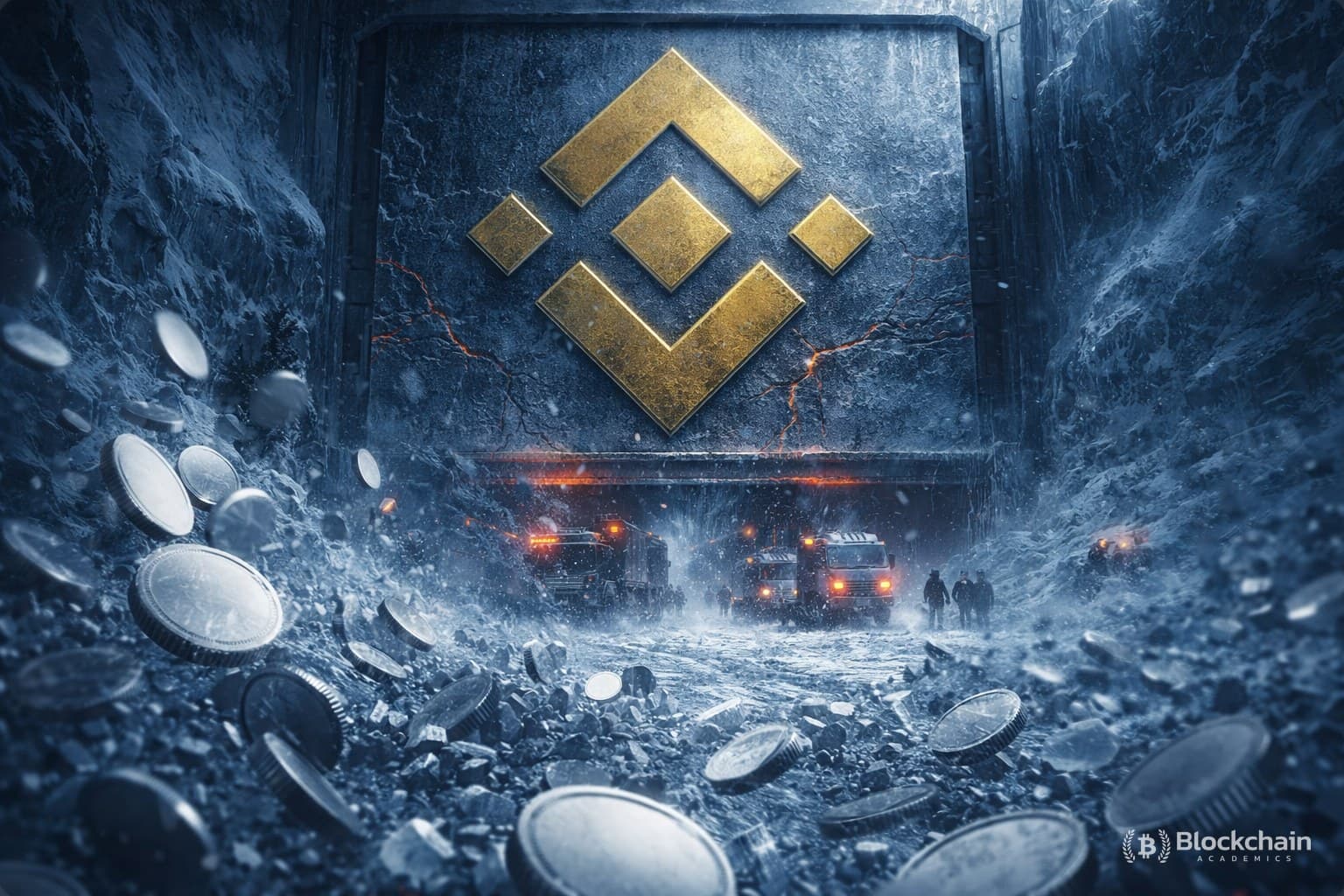
Eleven crypto platforms, including HTX, will no longer be able to process transactions through Binance after the world's largest exchange cited regulatory compliance with the EU's latest Russia sanctions package as the reason for the cuts.
Binance confirmed it will block transactions from 16 exchanges in total. Five were already restricted under prior compliance actions. The 11 newly added platforms include HTX, which the European Union recently designated in a sanctions package targeting Russia's ability to access global financial infrastructure through cryptocurrency rails. Binance framed the move as a straightforward compliance obligation rather than a discretionary business decision.
The timing matters. The EU's decision to name specific crypto exchanges in its Russia sanctions regime marks a meaningful escalation in how Western regulators treat digital asset platforms as instruments of geopolitical enforcement. Historically, the U.S. Treasury's Office of Foreign Assets Control (OFAC) led this approach, designating crypto mixers and exchanges suspected of facilitating sanctions evasion, most notably Tornado Cash in 2022 and Garantex in 2024. The EU is now applying comparable pressure, and Binance's swift response signals that major centralized exchanges can no longer treat European sanctions as a secondary compliance concern.
HTX, formerly known as Huobi, has operated under a cloud of regulatory scrutiny for some time. The exchange rebranded in 2023 following its acquisition by a group associated with Justin Sun, and has since struggled to establish clean regulatory standing in major Western jurisdictions. Its inclusion on the EU sanctions list effectively forces any compliant exchange to cut ties, making Binance's block a predictable consequence of the designation rather than an independent judgment call.
There are legitimate questions about the scope of the restrictions. Not every exchange on the blocked list necessarily has a direct Russia sanctions connection, and Binance has not published a full public list with individual rationale for each platform. That opacity creates room for concern: exchanges blocked without a clear sanctions nexus may have limited recourse, and the selection criteria are difficult for outside observers to evaluate. The practical effect for affected platforms is severe. Losing transaction access to Binance, which still commands a dominant share of global spot trading volume, can materially impair liquidity and user access.
The broader structural risk is displacement rather than containment. When centralized exchanges tighten compliance perimeters, trading activity does not simply disappear. It migrates, often toward decentralized exchanges (DEXs) or smaller platforms with lighter compliance infrastructure. That dynamic has played out repeatedly after major enforcement actions, and regulators have yet to develop tools that follow activity effectively into on-chain venues. Binance's compliance posture protects its own regulatory standing, particularly in the EU where it has been rebuilding its licensing position since 2023. Whether it reduces actual sanctions evasion is a separate, harder question.
For the wider exchange industry, this episode reinforces a trend building since 2022: the compliance bar for operating a centralized exchange in Western markets now includes active monitoring of counterparty exposure, not just user-level KYC. Exchanges that process transactions from sanctioned platforms inherit legal and reputational risk. Binance is drawing that line explicitly, and others will face pressure to follow.