Binance Blocks $47M in USDT Linked to Global “Pig Butchering” Scams
Binance freezes $47M in USDT tied to pig butchering scams, highlighting global crackdown on crypto fraud.
Binance has confirmed freezing $47 million worth of USDT tied to a large-scale “pig butchering” scam, marking one of the most significant fraud crackdowns in the cryptocurrency sector this year. The move highlights growing coordination between exchanges, regulators, and blockchain analytics firms as global authorities intensify efforts to combat crypto-enabled crime.
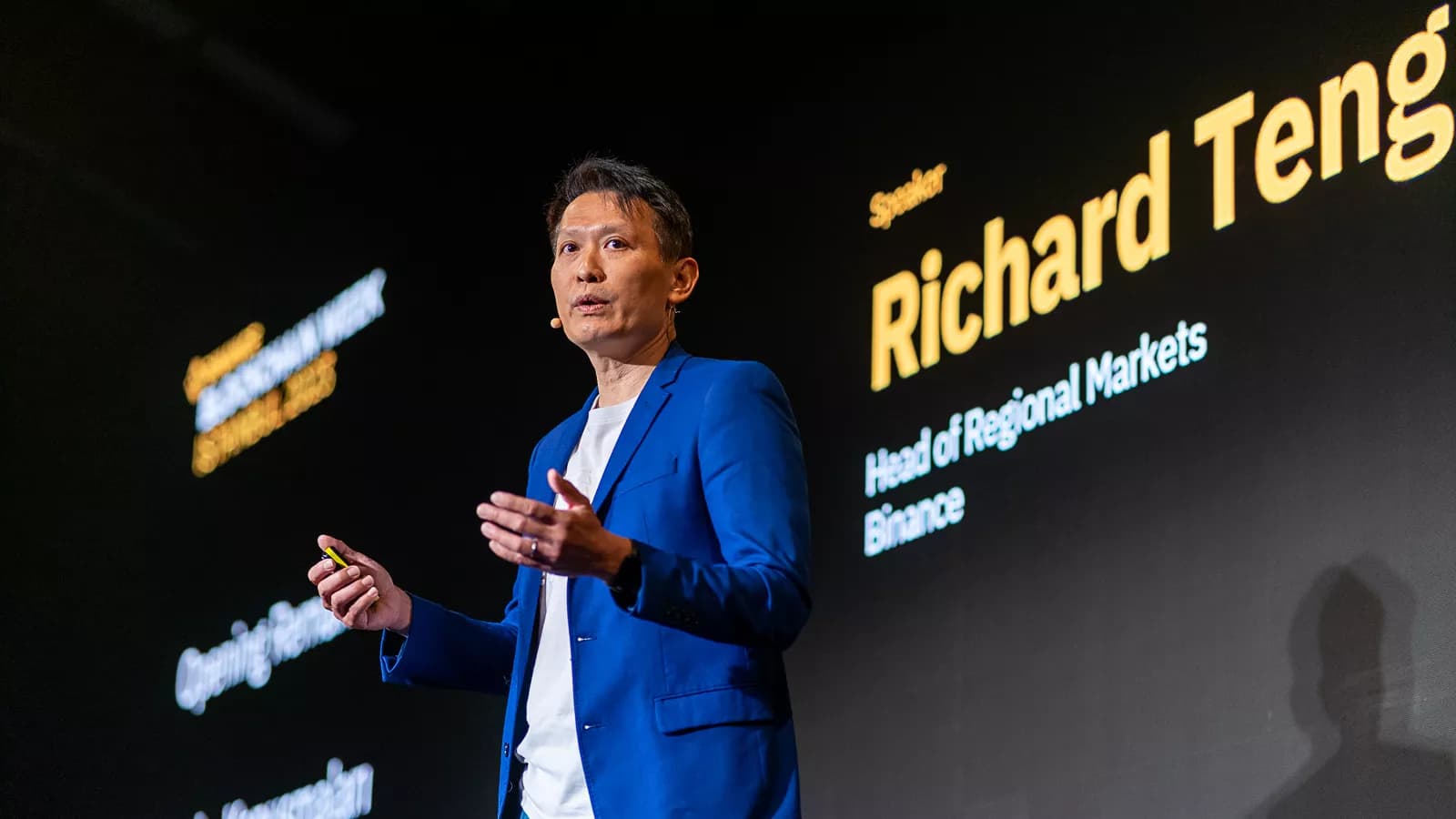
Binance CEO Richard Teng said the freeze was carried out in partnership with law enforcement agencies across the Asia-Pacific region, Chainalysis, and major stablecoin issuers. The intervention prevented scammers from converting stolen cryptocurrency into fiat, effectively cutting off a common laundering route.
“Pig butchering” scams, which have proliferated across Asia and beyond, involve fraudsters posing as friends, romantic partners, or investment mentors online. Over weeks or months, they build trust with unsuspecting victims before luring them into fake trading platforms. Once deposits are made, funds are quickly moved through multiple wallets to obscure their origin, making recovery nearly impossible.
In this case, blockchain forensics played a decisive role. Chainalysis tracked dozens of transfers into consolidation wallets, eventually linking them to five addresses that collectively held around $47 million in Tether (USDT). Authorities acted in June to freeze the assets before they could be cashed out.
The development underscores Binance’s strategy of aligning more closely with regulators as it seeks to expand access to the U.S. market. Just last week, the exchange joined Coinbase, Ripple, and others in launching the Beacon Network, a real-time monitoring system designed to track and block stolen crypto across the industry.
The timing is significant. The U.S. Commodity Futures Trading Commission (CFTC) is reviewing rules that could allow American users broader access to offshore crypto platforms. By presenting itself as a cooperative partner capable of disrupting fraud, Binance appears to be signaling readiness for deeper U.S. engagement.
“This is a clear example of how public-private partnerships can protect users and disrupt increasingly sophisticated global fraud schemes,” Teng said. His remarks reflect Binance’s ongoing campaign to distance itself from past regulatory clashes and demonstrate that the company can operate within stricter compliance frameworks.
Industry observers note that pig butchering scams have become one of the most damaging forms of cyber-enabled fraud, costing victims worldwide billions of dollars annually. In Southeast Asia, human trafficking victims are often forced to work in scam operations, further heightening the urgency of international crackdowns.
For Binance, the successful freeze provides both reputational and regulatory benefits. It showcases the exchange’s willingness to cooperate, while reinforcing the narrative that crypto markets can police themselves when paired with proper oversight and forensic tools.
Still, critics argue that until stronger global regulatory standards are enforced, such cases will remain reactive rather than preventative. The challenge for Binance and its peers will be whether initiatives like Beacon can scale quickly enough to stem the tide of crypto fraud.