Beijing Tightens Grip on Crypto as It Pushes Digital Yuan to the Forefront
China reinforces its crypto ban as it advances the digital yuan and warns of risks from offshore stablecoins.
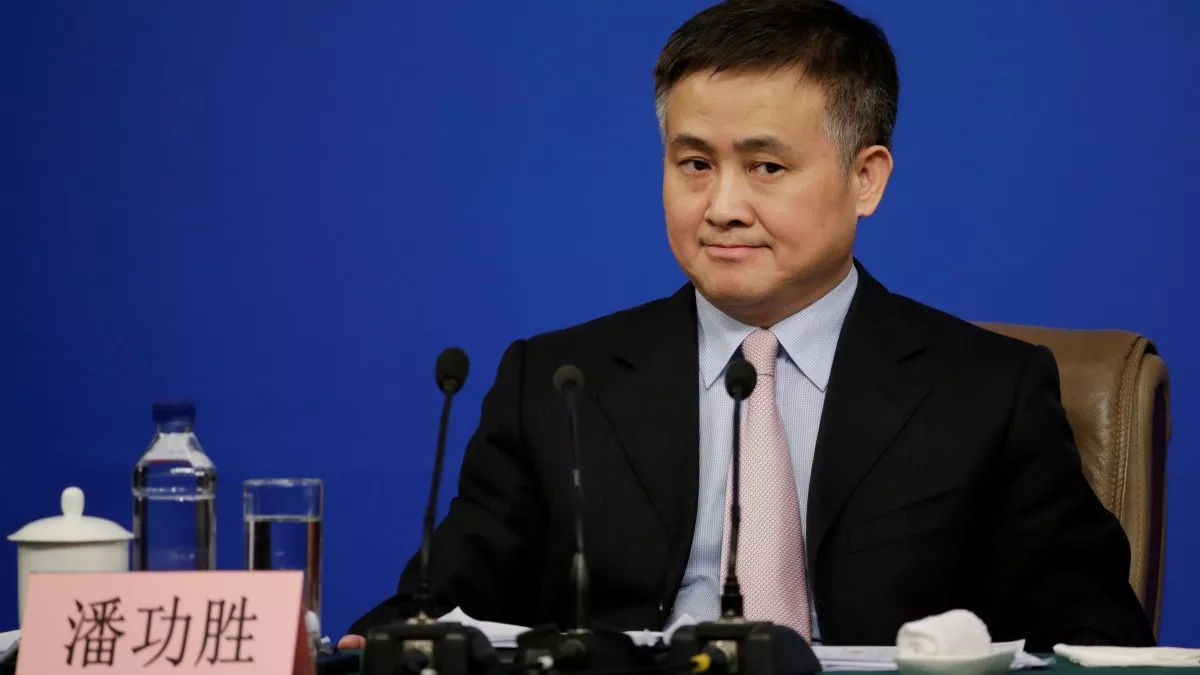
China has once again reaffirmed its uncompromising stance on cryptocurrencies, signaling that its ban on virtual asset trading remains as firm as ever even as the country accelerates the rollout of its state-controlled digital yuan. Speaking at the 2025 Annual Conference of the Financial Street Forum in Beijing, Pan Gongsheng, governor of the People’s Bank of China (PBOC), underscored that existing restrictions on cryptocurrency activities “remain fully in effect” and will continue to be enforced in coordination with national law enforcement agencies.
The statement marks a renewed warning to investors and fintech operators that Beijing has no intention of softening its years-long crypto crackdown. Since outlawing crypto trading and mining in 2021, Chinese regulators have framed virtual currencies as threats to both financial stability and state monetary sovereignty, while positioning the digital yuan (e-CNY) as a safer, regulated alternative within the country’s payments ecosystem.
Pan’s remarks also reflect growing official concern over the global proliferation of offshore stablecoins — digital tokens designed to maintain price parity with fiat currencies such as the U.S. dollar. He cautioned that these instruments, though increasingly used in international settlements, remain in their “infancy” and could introduce new systemic risks if left unchecked.
“Stablecoins continue to raise serious regulatory and compliance challenges,” Pan said, citing lapses in anti-money laundering controls, know-your-customer (KYC) standards, and capital transparency. His comments echoed sentiments voiced earlier this month at the IMF–World Bank Annual Meetings in Washington, where stablecoins reportedly dominated policy discussions among central bankers and finance ministers.
According to Pan, global financial authorities share a growing concern that the rapid expansion of privately issued digital currencies could erode monetary control in emerging markets, facilitate illicit cross-border capital flows, and amplify speculative volatility in global markets. These concerns have reinforced Beijing’s commitment to promoting a state-managed digital currency infrastructure rather than allowing private or foreign alternatives to gain traction.
The digital yuan, launched in pilot form in 2020, has since expanded to dozens of cities and integrated with major domestic payment networks, including Alipay and WeChat Pay. The PBOC views it as a cornerstone of China’s financial modernization and a tool for maintaining visibility and control over digital transactions.
Analysts see the renewed rhetoric as part of a broader strategy: to consolidate China’s leadership in central bank digital currency (CBDC) development while simultaneously curbing any market or technological momentum that could empower decentralized systems beyond state oversight.
For Beijing, the message is clear — while digital finance may represent the future, that future will be centrally managed, tightly regulated, and firmly aligned with the state’s monetary architecture.