AI in Smart Contracts: The Future of Intelligent Automation on Blockchain
Exploring AI in smart contracts: how intelligent automation can reshape DeFi, DAOs, and blockchain applications.
Overview
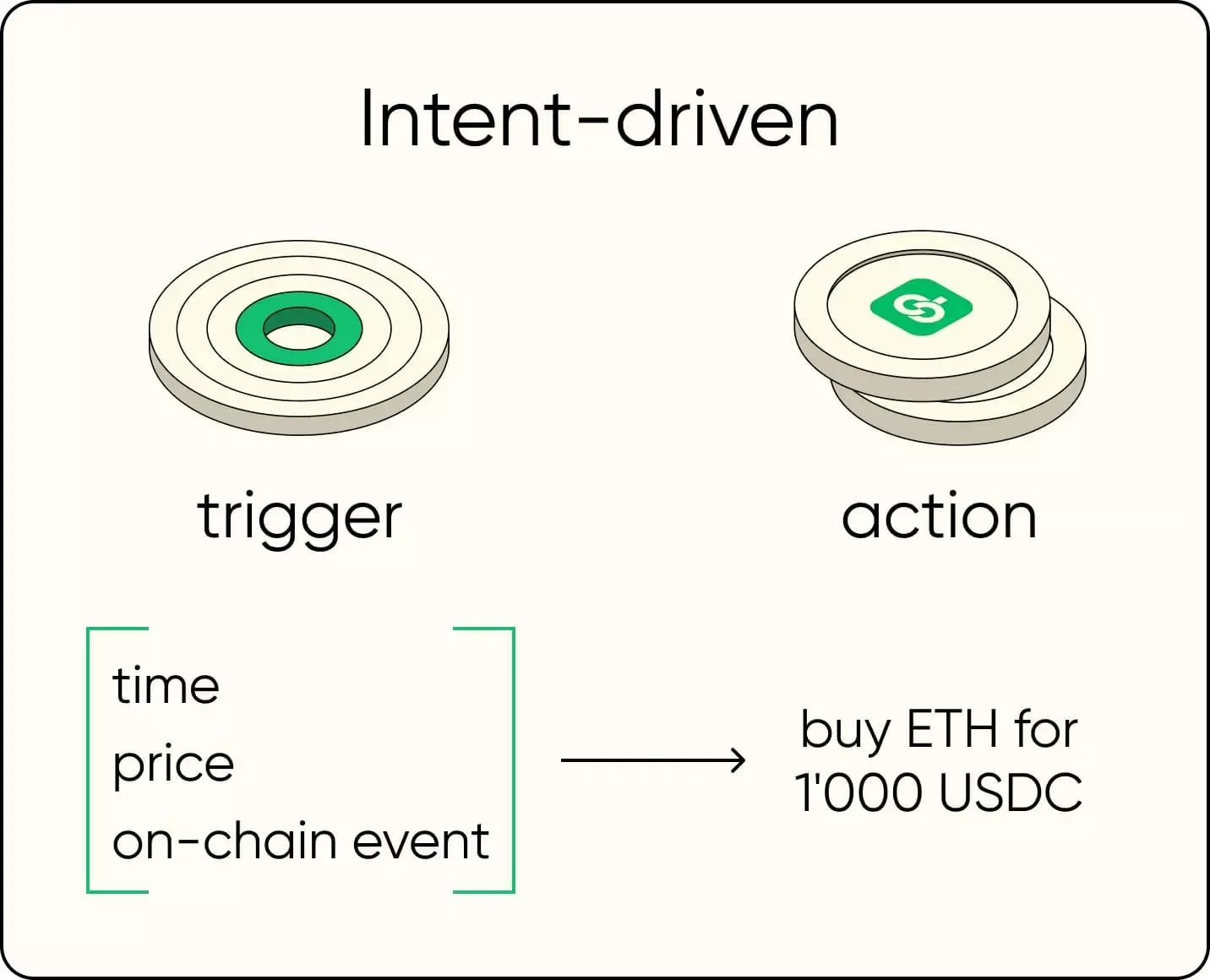
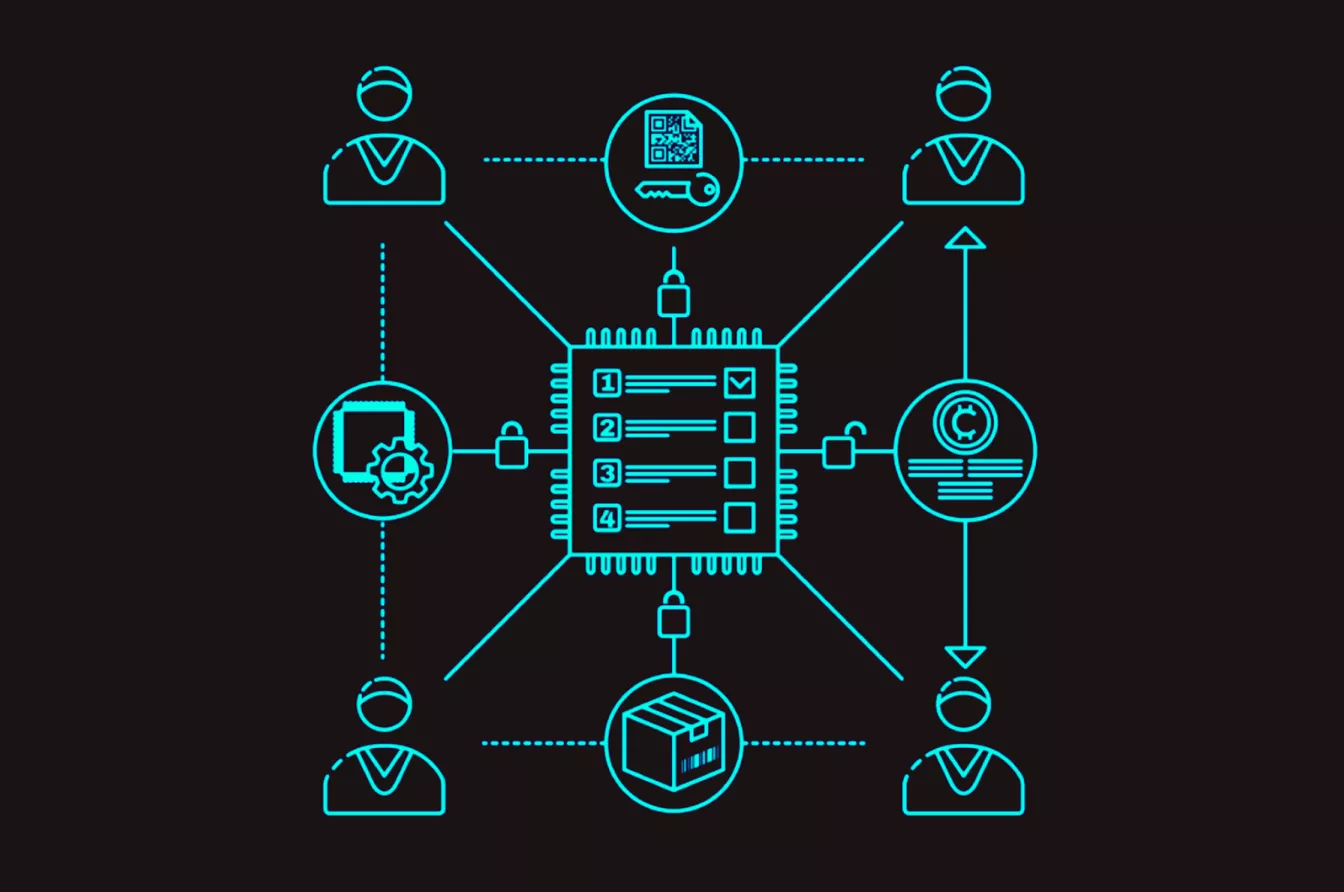
Smart contracts are self-executing programs on a blockchain, designed to enforce agreements without intermediaries. Traditionally, their logic is deterministic: “if X happens, then Y executes.” However, integrating artificial intelligence (AI) introduces adaptability, predictive power, and complex decision-making into these systems. By merging AI with smart contracts, blockchain could evolve from static automation to dynamic, context-aware agreements that reshape finance, governance, and digital economies.
Examples
Advantages
Challenges
Evolutionbr>The first generation of smart contracts offered automation, but they lacked intelligence. The second wave introduced oracles, connecting blockchains to external data. Now, a third wave is emerging:AI-augmented smart contractscapable of adaptive, context-aware execution. Projects like SingularityNET and Fetch.ai are experimenting with decentralized AI services integrated into blockchain protocols. The path forward lies in hybrid models where heavy AI processing occurs off-chain, while blockchain ensures security, auditability, and enforcement.
Market Sentimentbr>Market sentiment around AI in blockchain is highly optimistic, driven by the broader boom in generative AI. Investors see AI-blockchain convergence as a high-growth frontier, especially in DeFi, DAOs, and tokenized data markets. However, skepticism persists around feasibility: many argue AI is too complex and resource-heavy for direct on-chain use. the narrative is strong—“intelligent contracts” are seen as the natural evolution of Web3 automation.
Conclusionbr>Integrating AI with smart contracts has the potential to transform blockchain from rigid automation to adaptive intelligence. This convergence opens the door to predictive finance, autonomous governance, and dynamic digital assets. The key challenge will be balancing AI’s complexity with blockchain’s transparency and efficiency. If solved, AI-driven smart contracts could define the next era of decentralized innovation.
By Alejandro Silva Ramírez, Crypto Analyst & Columnist
- AI-powered oracles: feeding smart contracts with real-world data analyzed by machine learning models (e.g., Chainlink + AI).
- Autonomous DeFi trading: smart contracts that adjust investment strategies based on AI-driven market forecasts.
- Insurance contracts: payouts triggered by AI-analyzed weather or health data rather than simple static conditions.
- AI-driven DAOs: governance contracts that propose or adjust rules based on sentiment analysis or predictive modeling.
- NFTs with adaptive behavior: digital assets whose utility or value evolves based on AI-enhanced smart contract logic.
- Dynamic automation: contracts adapt to complex, uncertain environments.
- Efficiency: reduces the need for manual oversight or off-chain computation.
- Transparency & trust: blockchain guarantees immutability while AI provides richer insights.
- New business models: predictive finance, autonomous organizations, and personalized services.
- Synergy of technologies: combines AI’s intelligence with blockchain’s security.
- Verifiability: AI models are often opaque (“black box”), conflicting with blockchain’s need for transparency.
- Cost & scalability: running AI computations on-chain is resource-intensive.
- Security risks: adversarial AI or flawed models could manipulate outcomes.
- Regulatory uncertainty: how to govern contracts influenced by probabilistic, non-deterministic logic.
- Integration complexity: combining off-chain AI with on-chain logic requires robust oracle systems.