A Silent Fusion: How AI and Blockchain Are Shaping a New Digital Infrastructure Layer
AI and blockchain converge to form a transparent, intelligent digital infrastructure layer reshaping data, automation and global systems.
Overviewbr>The convergence of artificial intelligence and blockchain is emerging as one of the most consequential transformations in modern technology. While AI accelerates automation and pattern recognition, blockchain provides verifiable data integrity and decentralized coordination. Together, they form the foundation of a new digital infrastructure layer capable of supporting transparent systems, autonomous agents and trust-minimized data flows. As enterprises seek more reliable and auditable digital environments, the combined potential of these technologies is reshaping discussions around governance, security and global economic architecture.
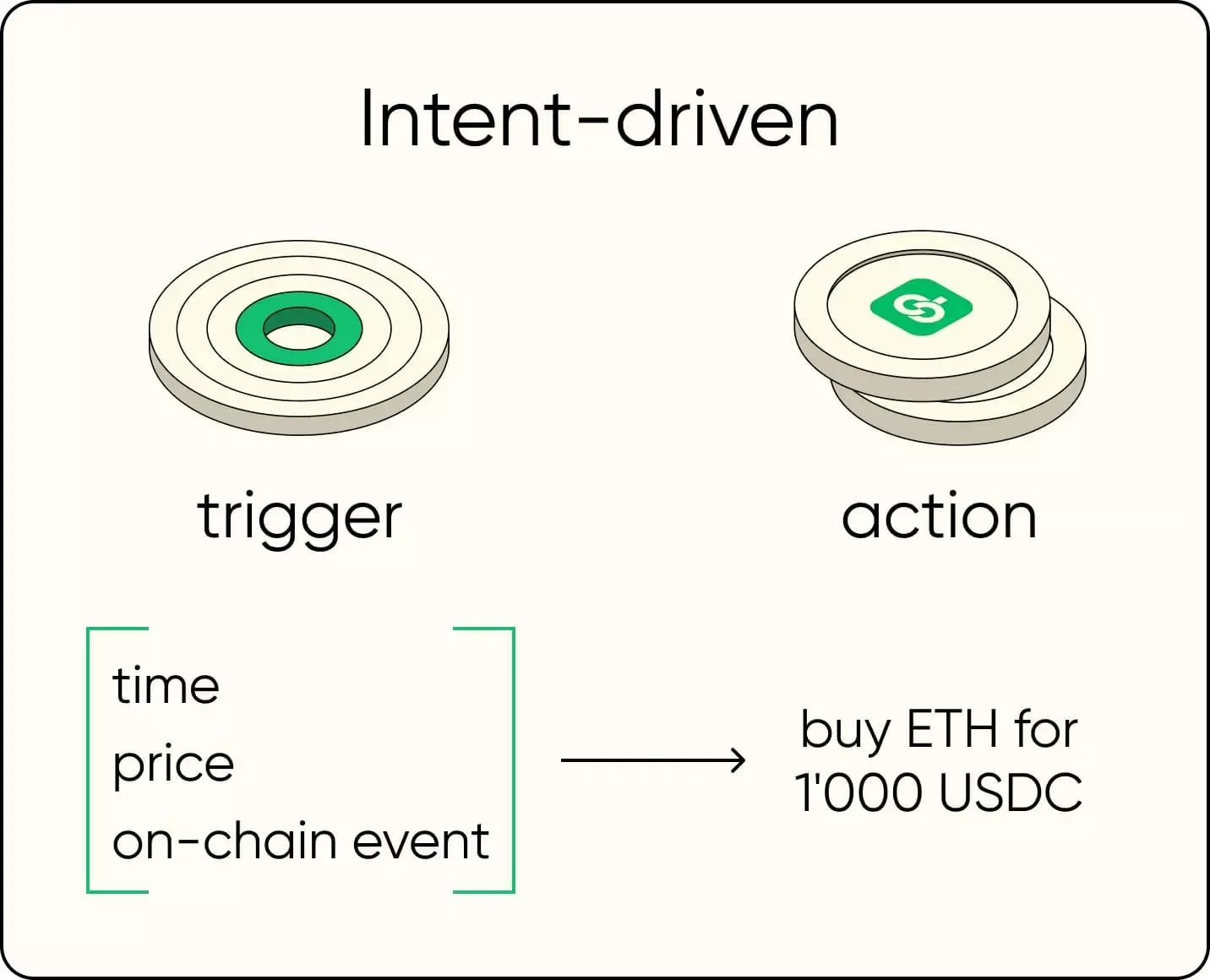
Explicationbr>AI and blockchain integrate effectively because each compensates for the limitations of the other. Artificial intelligence relies on large, reliable datasets to train models and generate predictions, yet these datasets are often siloed, vulnerable to manipulation and lack transparent provenance. Blockchain, on the other hand, excels at producing immutable records, decentralized consensus and cryptographic verification, but cannot interpret or analyze information at scale. When these technologies converge, blockchain ensures the traceability, integrity and ownership of data, while AI processes that information to automate operations and extract meaningful insights. Smart contracts can function as automated coordinators, triggering AI models only when data inputs meet verifiable conditions, releasing payments based on performance or validating that models are trained on authenticated records. The result is an infrastructure layer where automated decisions are both intelligent and provably trustworthy.
Examplesbr>– Decentralized marketplaces distributing AI model outputs with on-chain verification.br>– Smart contracts that activate AI analytics after validating real-world data.br>– Supply-chain systems combining AI vision tools and blockchain-based provenance tracking.br>– Distributed computing networks incentivizing GPU contributions for model training.br>– On-chain verification systems for AI-generated content, ensuring authenticity and origin.
Advantagesbr>– Greater transparency and auditability in automated decisions.br>– Stronger protection against data manipulation and model tampering.br>– New marketplaces for data and models with trustworthy reputation systems.br>– Reduced dependency on centralized intermediaries for validation.br>– Incentivized, secure access to distributed computational resources.
Disadvantagesbr>– Considerable technical complexity in building fully integrated systems.br>– Higher operational costs for on-chain storage and compute.br>– Regulatory uncertainty around autonomous AI operating in decentralized environments.br>– Privacy risks if data-handling mechanisms are poorly designed.br>– Scalability challenges for advanced models interacting with public networks.
History Time Evolutionbr>The idea of merging AI and blockchain first surfaced during the 2017–2020 era, when early projects explored verifiable data pipelines and decentralized training markets. Between 2021 and 2024, momentum increased as generative AI systems matured and decentralized finance infrastructure expanded. From 2024 onward, enterprises and public institutions began adopting hybrid architectures for data certification, automated audits and distributed computation. This progression has turned the convergence from theoretical innovation into a practical design pattern for next-generation digital systems.
Market Sentimentbr>Market perception is optimistic and strategic. Investors view the AI-blockchain convergence as the next major infrastructure shift—comparable to the rise of cloud computing. Technology firms, financial institutions and Web3 ecosystems are actively competing to define standards and capture early advantages. Regulators remain cautious but acknowledge the long-term potential, especially for traceable data governance and automated compliance frameworks.
Conclusionbr>The integration of AI and blockchain is not a temporary trend but a structural evolution toward more intelligent, transparent and reliable digital systems. As adoption grows and technical barriers decline, this convergence may become the backbone of global digital infrastructure—supporting autonomous economies, verifiable information networks and safer data ecosystems for the decade ahead.