A Pacific Experiment in Digital Welfare Shows How Blockchain Can Reach Where Banks Cannot
The Marshall Islands tests a blockchain-based universal basic income using Stellar’s USDM1 token and a simplified digital wallet.
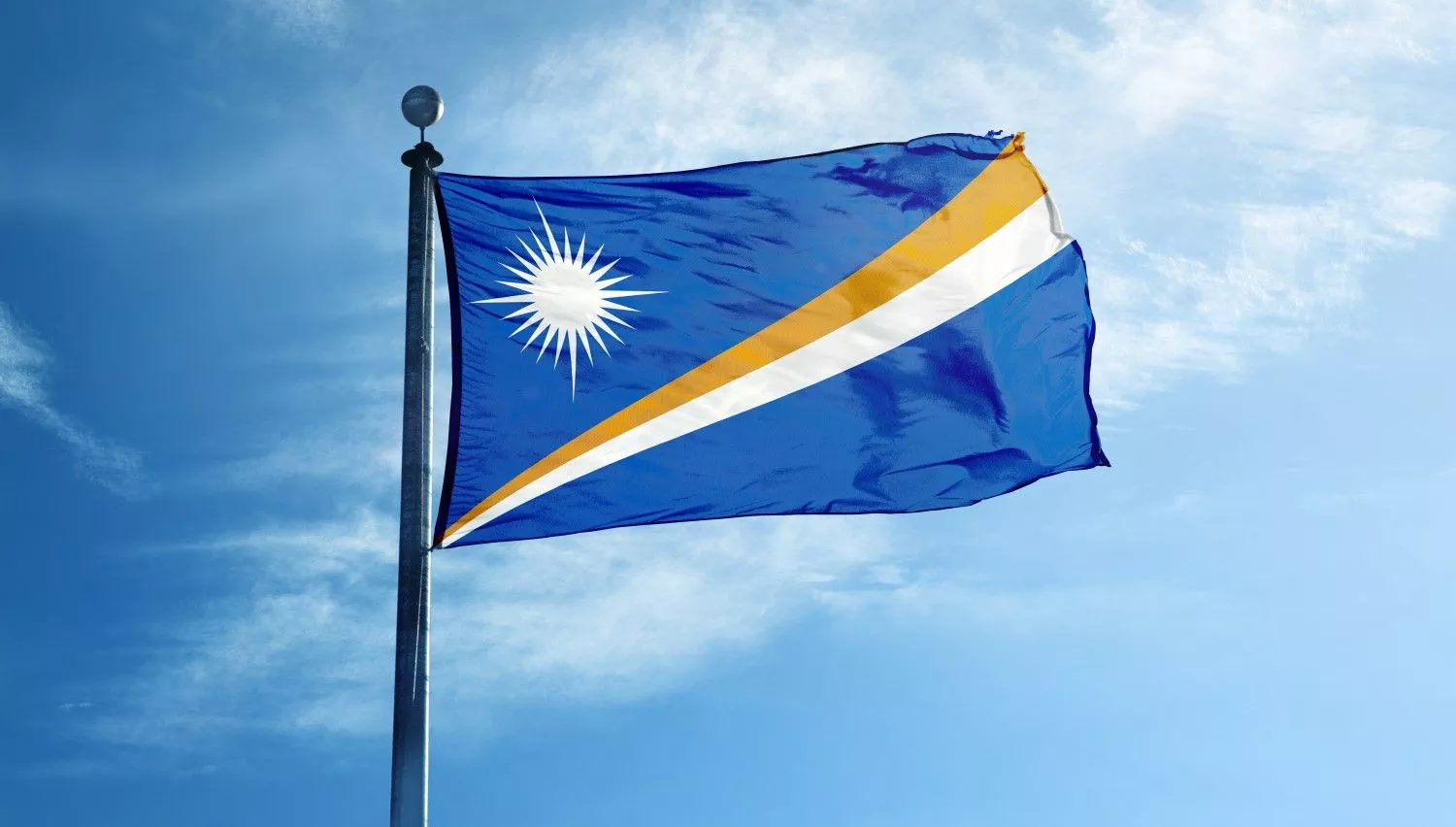
In a nation scattered across remote atolls and long dependent on physical cash deliveries, the Marshall Islands is testing a radically different approach to social support. By piloting a universal basic income system built on Stellar’s blockchain, the country is turning sovereign debt into a digital public utility, distributed directly to citizens through a simplified mobile wallet.
At the center of the initiative is USDM1, a fully collateralized, yield-bearing token issued as a sovereign bond and designed specifically for domestic use. Unlike conventional stablecoins that simply track the value of fiat currency, USDM1 combines price stability with yield generation. As Paul Wong, director of special projects at the Stellar Development Foundation, has described it, the token functions “effectively like a money market fund,” with returns accruing to holders rather than issuers. For recipients, this means universal basic income payments that do more than preserve value; they quietly grow it.
The program is being rolled out under the Marshall Islands’ ENRA framework and targets more than 40,000 citizens, many of whom live far from banking infrastructure. Since the global financial crisis of 2008, the country has seen a steady retreat of correspondent banking relationships, leaving just one institution to handle essential services such as wire transfers. In practice, accessing cash often requires long boat journeys, while physical currency itself is transported in shipping containers that may arrive late or incomplete.
Digital distribution aims to remove those frictions. Quarterly payments are delivered through Lomalo, a wallet developed by Crossmint on the Stellar network. The design philosophy is intentionally minimal. Users are not asked to manage seed phrases or navigate complex security prompts. “All they care about is whether there’s money in their account,” said Crossmint co-founder Rodri Fernandez Touza, explaining why the wallet strips away features that might intimidate non-technical users. The result is an interface closer to mobile banking than crypto trading.
Infrastructure, often the missing piece in similar experiments, is less of a barrier in the Marshall Islands than it might appear. Thanks to widespread Starlink coverage, internet access spans a maritime area comparable in size to Mexico. What remains scarce is reliable liquidity. ATMs frequently run dry, and cash shortages ripple quickly through local economies. As Touza noted, even when systems are designed around physical money, “constraints in the economy prevent people from having access to money.” Digital tokens, by contrast, arrive instantly and predictably.
The implications extend beyond national borders. By structuring USDM1 as a government-backed, yield-generating asset, the Marshall Islands is offering an alternative template for aid and welfare distribution in regions where banks are absent or unreliable. The Stellar Development Foundation has already framed the project as a potential model for humanitarian and development programs elsewhere, including in fragile or conflict-affected states.
For now, the experiment remains modest in scale, but its symbolism is significant. A small island nation, long at the margins of global finance, is demonstrating how blockchain can serve as public infrastructure rather than speculative playground. If successful, USDM1 may show that digital assets, when carefully designed, can deliver something rare in the crypto world: quiet reliability, working in the background to make everyday economic life a little more secure.