A New Identity Paradigm: How Decentralized Credentials Are Redefining Digital Privacy
Decentralized identity reshapes digital privacy by giving users control over their data with blockchain-based verification.
Overviewbr>Decentralized identity (DID) is rapidly emerging as one of the most transformative use cases in the blockchain ecosystem. As societies become more dependent on digital interactions, traditional identity systems—centralized, opaque and vulnerable to breaches—are struggling to meet modern security and privacy demands. Decentralized identity proposes a structural shift: individuals regain control over their personal data, manage their credentials independently and authenticate themselves across platforms without relying on centralized authorities. This shift is reshaping financial services, Web3 protocols and public-sector infrastructures.
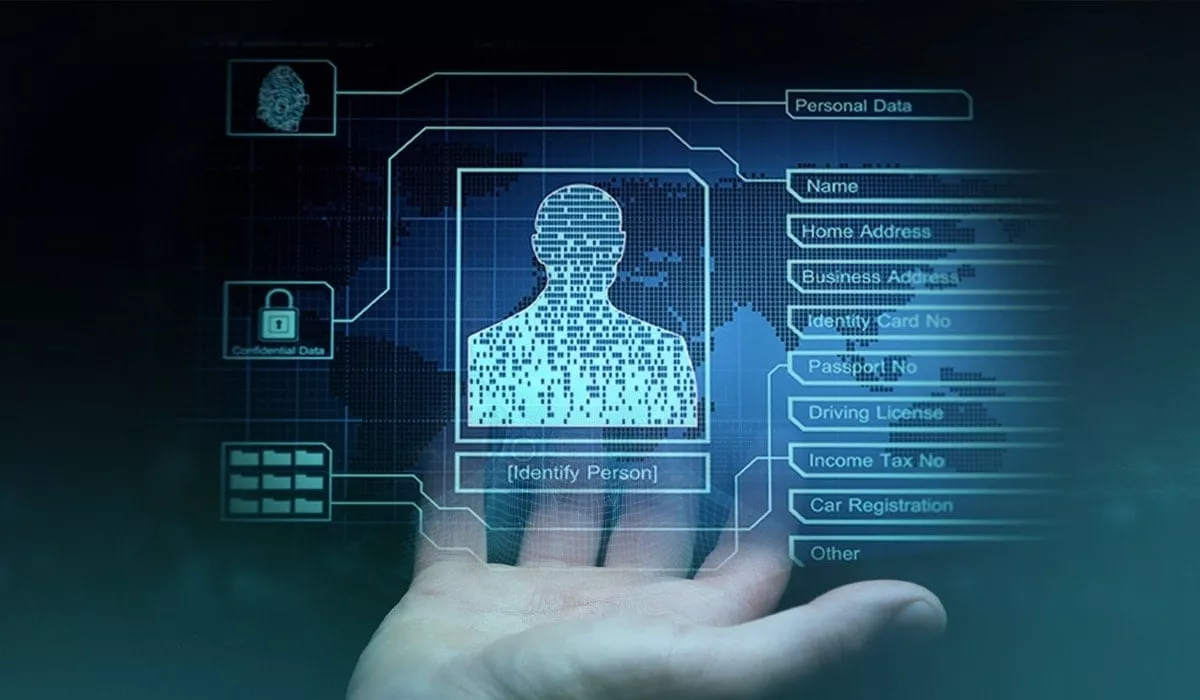
Explicationbr>Decentralized identity works by separating identity ownership from identity verification. Instead of storing personal information in large centralized databases, a DID system gives users cryptographic keys that represent their digital identity. Credentials—issued by trusted institutions such as banks, universities or government agencies—are stored locally by the individual, often in a wallet secured by blockchain-based proofs. When verification is required, the user shares only the minimum necessary information through zero-knowledge proofs or selective disclosure, allowing them to confirm their legitimacy without exposing sensitive data. The blockchain does not store personal information; rather, it anchors cryptographic references that validate authenticity and prevent tampering. This architecture reduces the attack surface, eliminates dependence on centralized intermediaries and introduces a privacy-preserving framework aligned with global digital transformation.
Examplesbr>– Blockchain-based identity wallets enabling users to store and manage credentials privately.br>– Financial KYC systems using zero-knowledge proofs to verify clients without exposing documents.br>– Cross-platform login solutions replacing email-password systems with self-sovereign credentials.br>– Government-issued digital IDs backed by decentralized registries for secure verification.br>– Web3 protocols requiring reputation or credential-based access instead of public addresses.
Advantagesbr>– Greater user control over personal information and credential distribution.br>– Reduced risk of large-scale data breaches due to decentralized storage.br>– Enhanced privacy through selective disclosure and zero-knowledge verification.br>– More efficient onboarding for financial and digital services through reusable credentials.br>– Increased interoperability across platforms using standardized DID frameworks.
Disadvantagesbr>– High technical complexity for both users and institutions adopting DID systems.br>– Regulatory uncertainty surrounding self-sovereign identity models.br>– Risk of key loss, which can compromise access to essential credentials.br>– Slow adoption due to the lack of universal standards across industries.br>– Potential misuse if privacy-preserving tools obscure malicious activity.
History Time Evolutionbr>The origins of decentralized identity trace back to early blockchain experiments between 2015 and 2017, when developers explored ways to reduce reliance on centralized data repositories. Between 2018 and 2021, major initiatives such as W3C’s DID standards and verifiable credentials frameworks provided the technical foundation for interoperable identity systems. From 2022 onward, financial institutions, Web3 platforms and governments began integrating DIDs into authentication, KYC processes and digital public services. By 2025, decentralized identity matured into a core pillar of blockchain’s practical applications, driven by rising concerns over data sovereignty and increasing regulatory pressure for privacy-preserving verification models.
Market Sentimentbr>Market perception is highly optimistic, with investors and developers identifying decentralized identity as a key infrastructure layer for future digital ecosystems. Financial institutions see it as a solution to compliance inefficiencies, while Web3 organizations adopt DIDs to enhance security and reduce reliance on pseudonymous addresses. Regulators acknowledge the potential benefits but remain cautious about the balance between privacy and accountability. sentiment indicates strong long-term momentum as DID frameworks gain institutional endorsement.
Conclusionbr>The decentralized identity revolution represents a foundational shift in how individuals authenticate themselves and manage personal data online. By merging privacy-centric cryptography with blockchain verification, DID systems offer a path toward safer, more autonomous digital interactions. As adoption increases and standards mature, decentralized identity could redefine trust, privacy and access across both traditional finance and the emerging Web3 economy.