A Historic Crypto Donation Throws Fuel on Britain’s Intensifying Stablecoin Debate
A record $12M crypto donation to Reform UK intensifies Britain’s debate over stablecoin regulation and digital-asset policy.
Reform UK has received the largest political donation in British history—a $12 million transfer in cryptocurrency—at a moment when the national debate over stablecoin regulation is reaching a pivotal stage. The contribution, disclosed to the Electoral Commission on December 4, underscores how digital-asset wealth is becoming an increasingly influential force in the country’s political landscape.
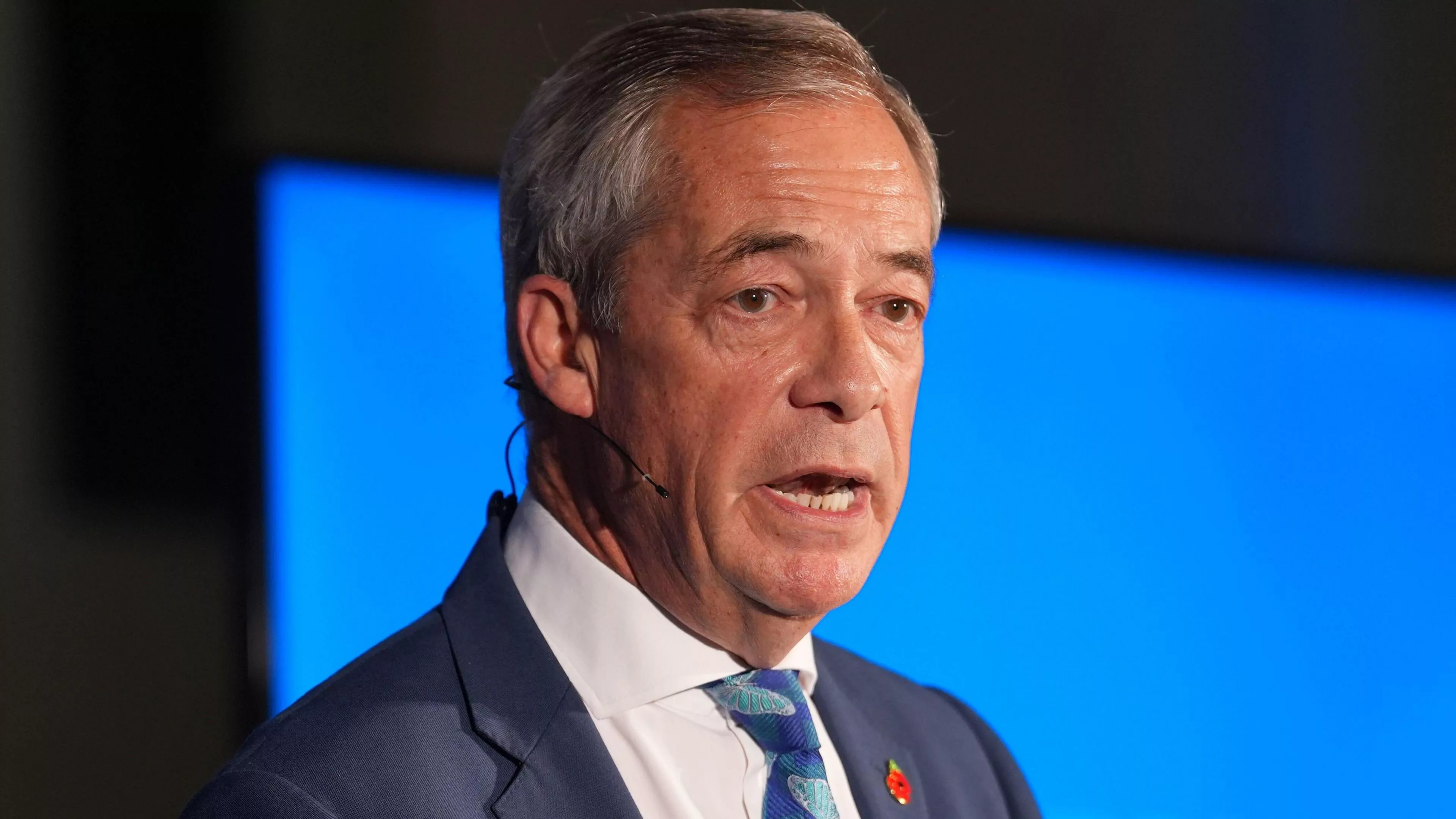
The donation came from Peter Thiel, a U.S.-based crypto entrepreneur and co-founder of Themis Trading, whose entity transferred more than £9.5 million worth of Bitcoin and Ethereum to Reform UK. According to party officials, the transfer was processed via regulated exchanges and structured to comply with election finance rules, which limit cash contributions but allow higher-value asset transfers. Nigel Farage, the party’s leader, framed the donation as a vote of confidence in what he describes as a pro-innovation platform, pledging to direct the funds toward digital advertising initiatives and expanded grassroots operations ahead of future electoral contests.
The timing is striking. The Sunak government is midway through a consultation on stablecoin rules that could restrict, or in certain cases effectively ban, the use of non-sterling-backed tokens for payments. Treasury officials argue that unbacked digital assets pose risks to financial stability and consumer protection. Reform UK, by contrast, has positioned itself as a counterweight to what it views as creeping overregulation. Farage has promised to block the rollout of a central bank digital currency and to dismantle any legislation that limits the use of private digital tokens. Critics in Labour and other parties have questioned the provenance and political impact of such a large foreign-linked donation, calling for deeper scrutiny of international influence in domestic policymaking.
The larger backdrop reveals a Europe grappling with the future architecture of digital money. A consortium of central European banks, led by BNP Paribas, is preparing to introduce a privately issued euro-pegged stablecoin through a new Dutch entity called Qivalis. Launching in late 2026, the project is designed to align fully with the EU’s Markets in Crypto-Assets regulation, offering a compliant alternative at a time when major issuers are reassessing their European strategies. Tether, one of the industry’s dominant players, recently withdrew its euro token citing the difficulty of operating under the same regulatory framework. European authorities have welcomed experimentation—provided strict oversight remains in place to safeguard monetary autonomy and mitigate systemic risk.
Against this evolving ecosystem, Thiel’s donation intensifies questions about how Britain intends to position itself relative to its European neighbors. Supporters of Reform UK argue that policies favoring blockchain adoption can help the country seize a competitive advantage, particularly as private-sector initiatives begin to fill gaps left by multinational issuers. Opponents counter that political financing via digital assets introduces transparency challenges and risks entangling public governance with volatile markets.
As the Treasury weighs its next steps, the donation has ensured that crypto remains a central fault line in Britain’s political debate—one that now carries unprecedented financial weight and implications for the country’s regulatory future.